
 Select Photos
YcpBKgQqZnXEiUz
2026-02-20 15:03:14.749217
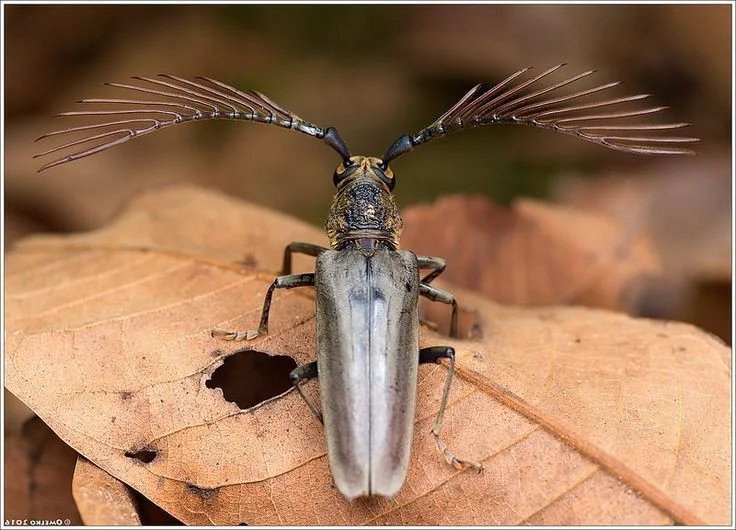
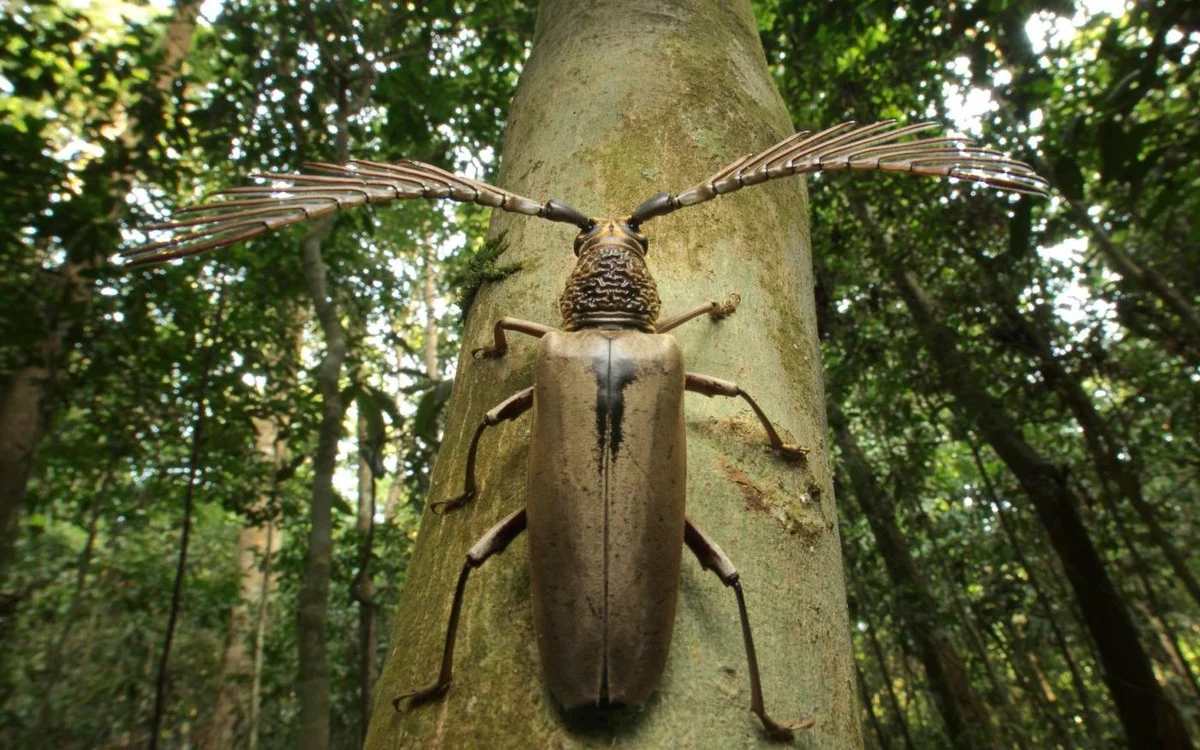
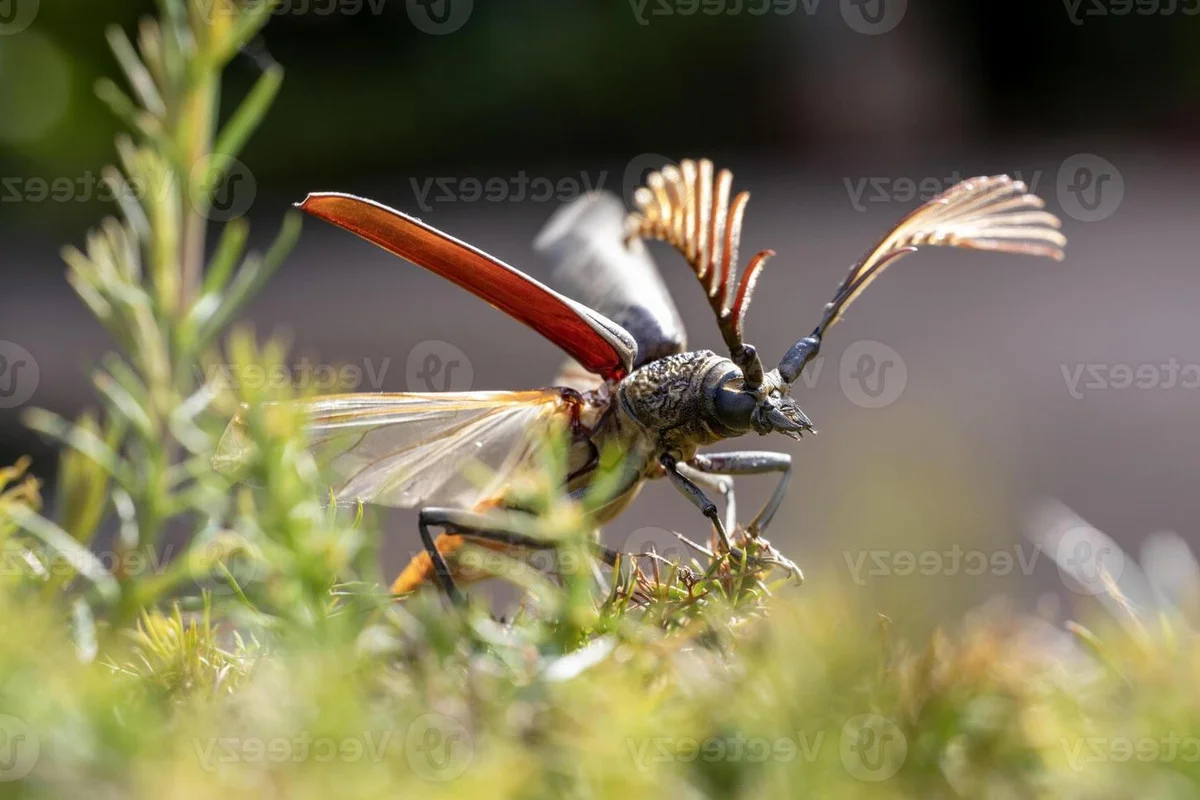
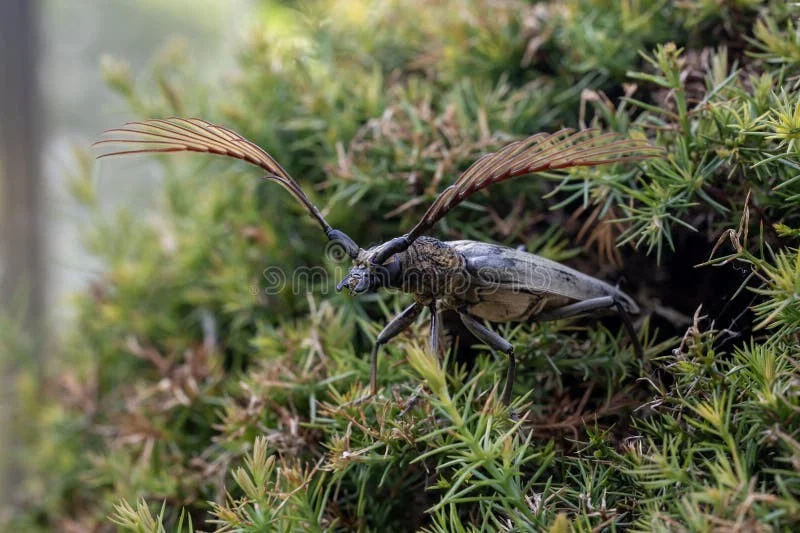
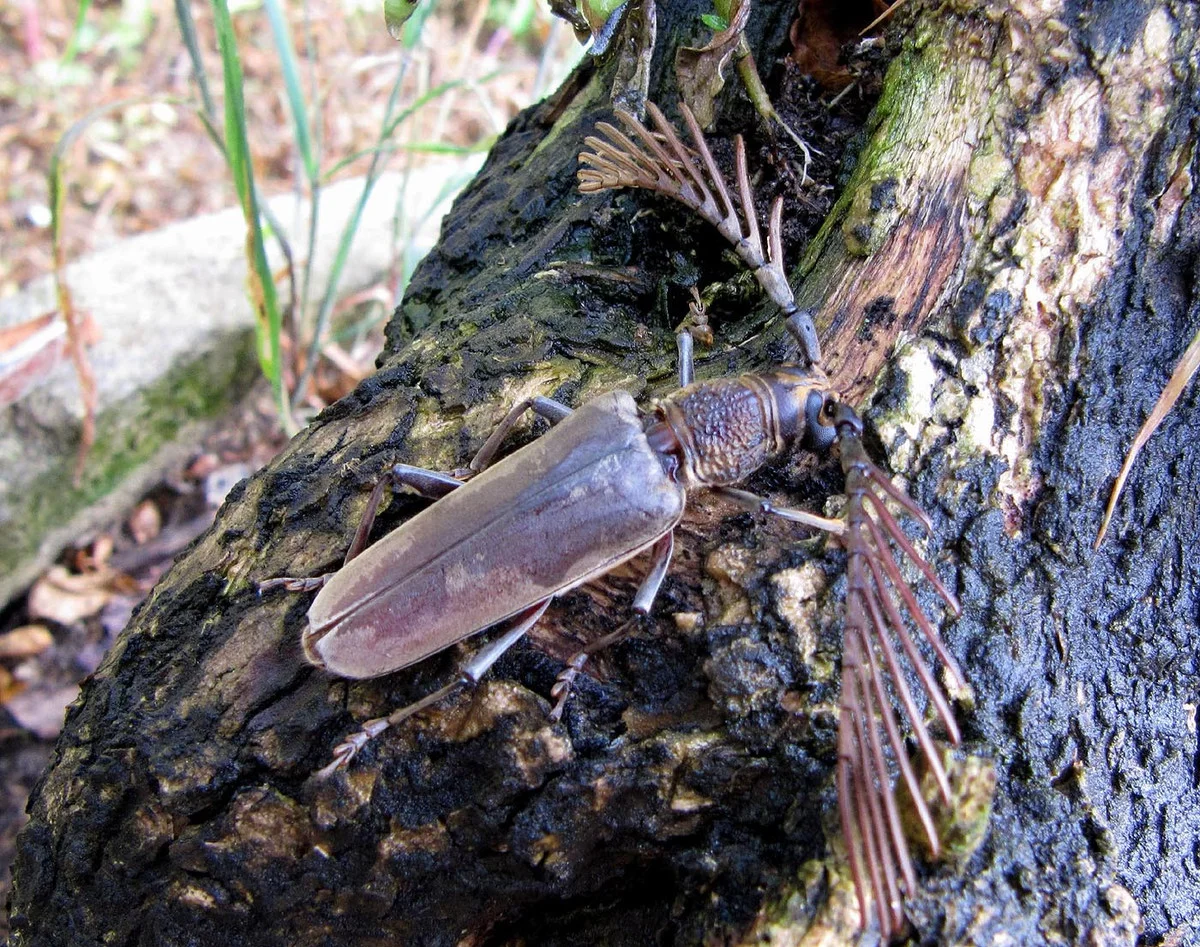
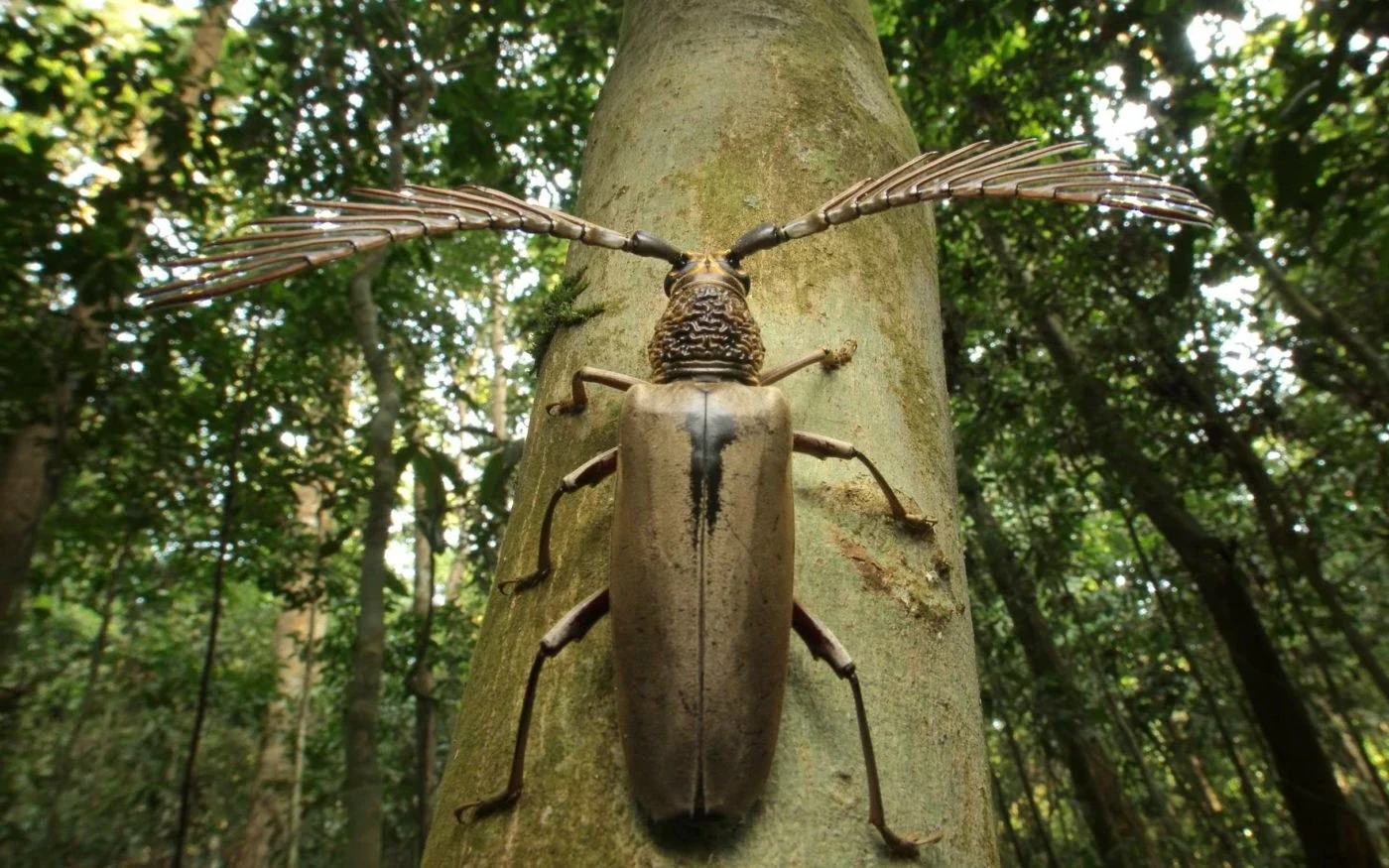
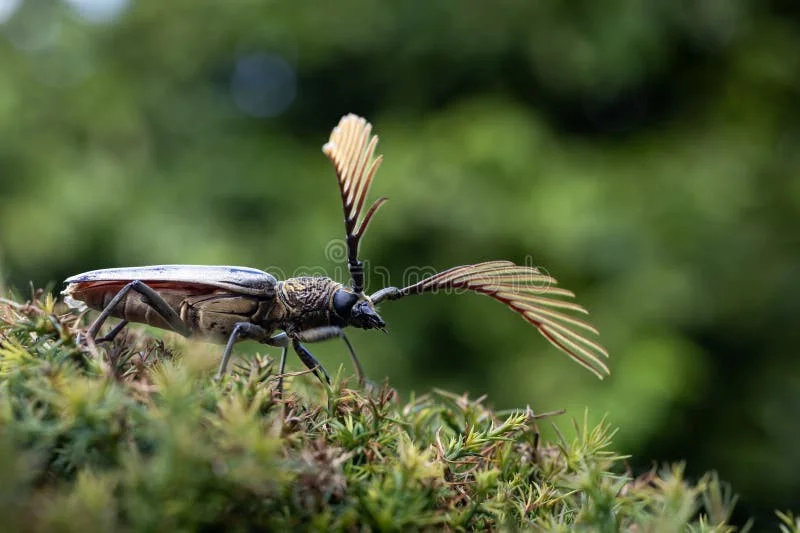
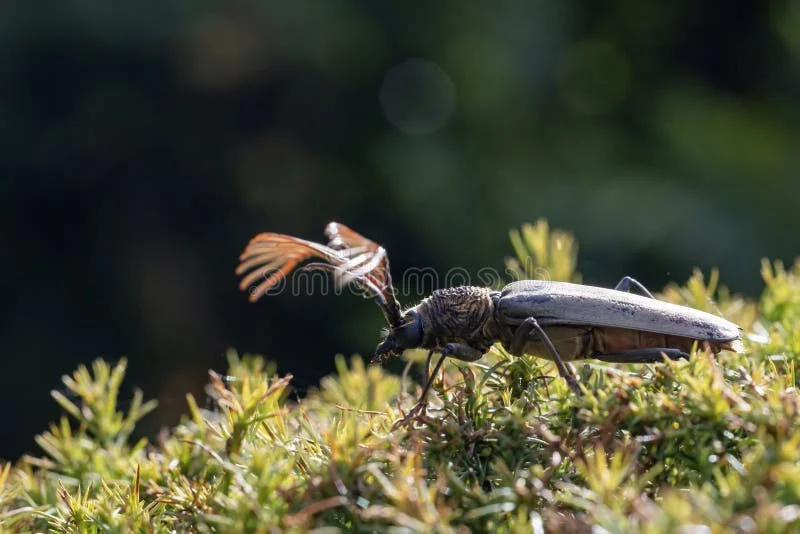
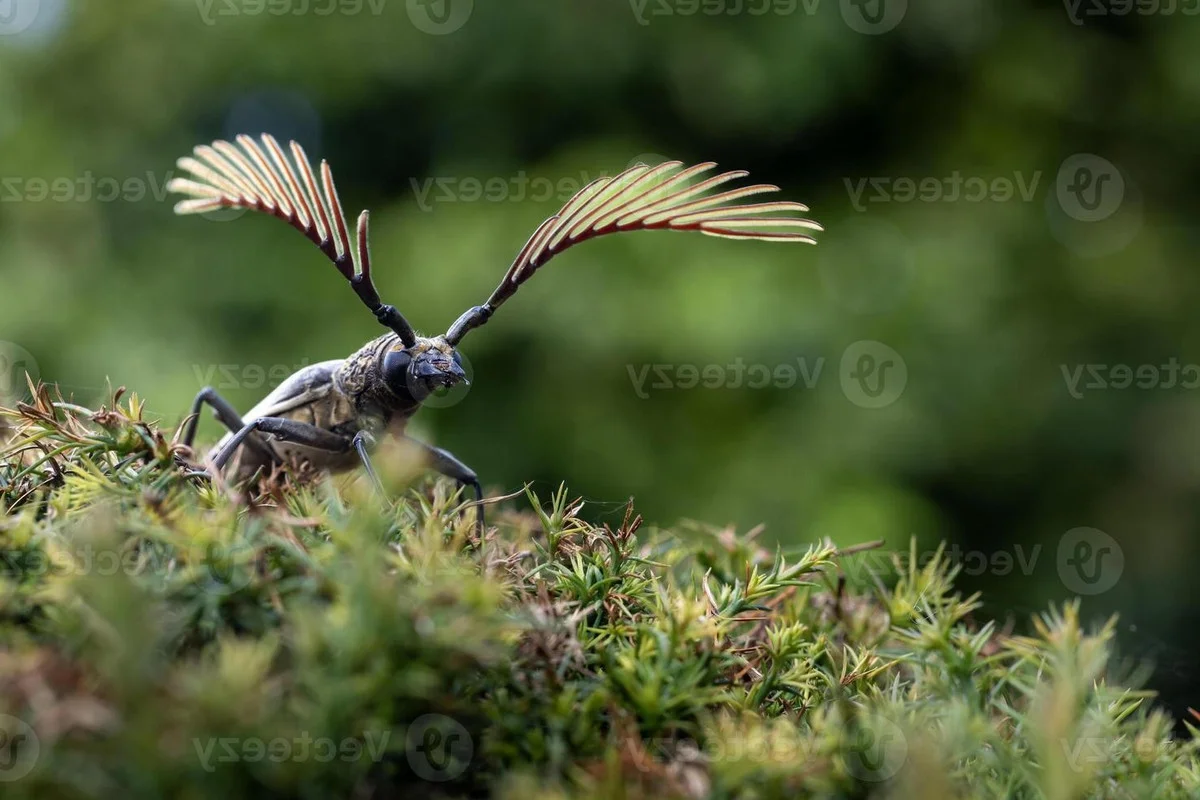
Discover the Rare Wallace's Longhorn Beetle (Cyriopalus wallacei): A Masterpiece of Tropical Biodiversity and Extraordinary Insect Anatomy
Deep in the lush rainforests of Southeast Asia dwells one of nature's most spectacular architectural wonders: the Wallace’s Longhorn Beetle, scientifically known as Cyriopalus wallacei. This rare and elusive insect is a crown jewel for entomologists and nature photographers alike. Named in honor of the legendary naturalist Alfred Russel Wallace, this beetle is instantly recognizable by its magnificent, elongated antennae that feature a unique, comb-like structure, setting it apart from almost every other species in the Cerambycidae family.The Cyriopalus wallacei showcases a stunning palette of deep umber and warm ochre tones, with intricate patterns that provide perfect camouflage against the bark of tropical trees. These beetles are not just visual marvels; they play a vital role in the ecosystem of the rainforest, contributing to the natural cycle of life and maintaining the delicate balance of their habitat. Because they are so rarely encountered in the wild, sightings of this extraordinary beetle are a testament to the rich, yet fragile, biodiversity of the tropics.
Whether you are a dedicated insect collector, a macro photography enthusiast, or someone who simply appreciates the bizarre beauty of the natural world, the Wallace’s Longhorn Beetle represents the pinnacle of evolutionary design. Protecting the ancient forests of Southeast Asia is essential to ensuring that incredible species like the Cyriopalus wallacei continue to thrive. Explore the fascinating world of rare insects and discover why this particular longhorn beetle remains one of the most sought-after subjects in the field of tropical biology and conservation.
#WallacesLonghornBeetle , #CyriopalusWallacei , #RareInsects , #TropicalBiodiversity , #EntomologyLife , #MacroPhotography , #RainforestWildlife , #NatureDiscovery
Comment