
 Select Photos
Nguyen thanh sang
2026-02-20 14:13:42.819097
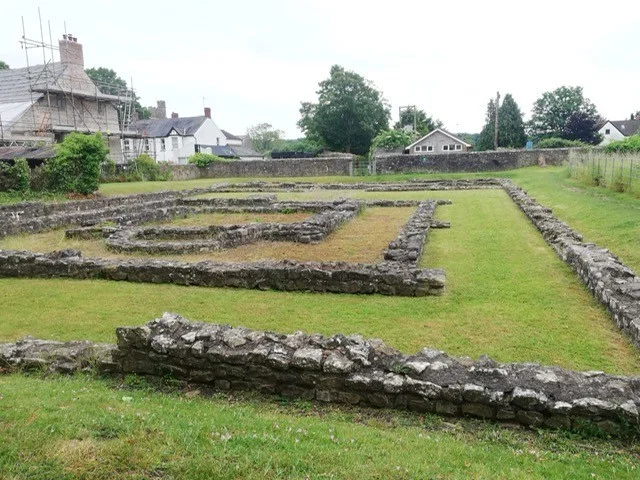
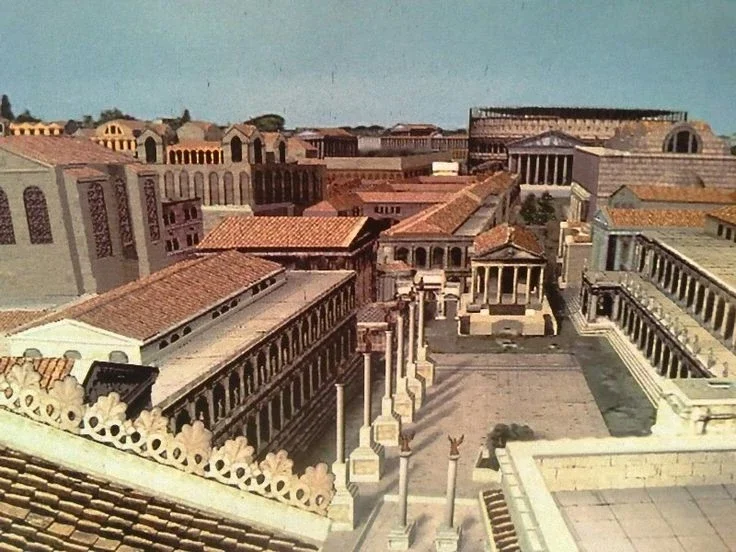
Discover Venta Silurum: The Ancient Roman Capital of Wales and its Incredible Archaeological Ruins in Caerwent
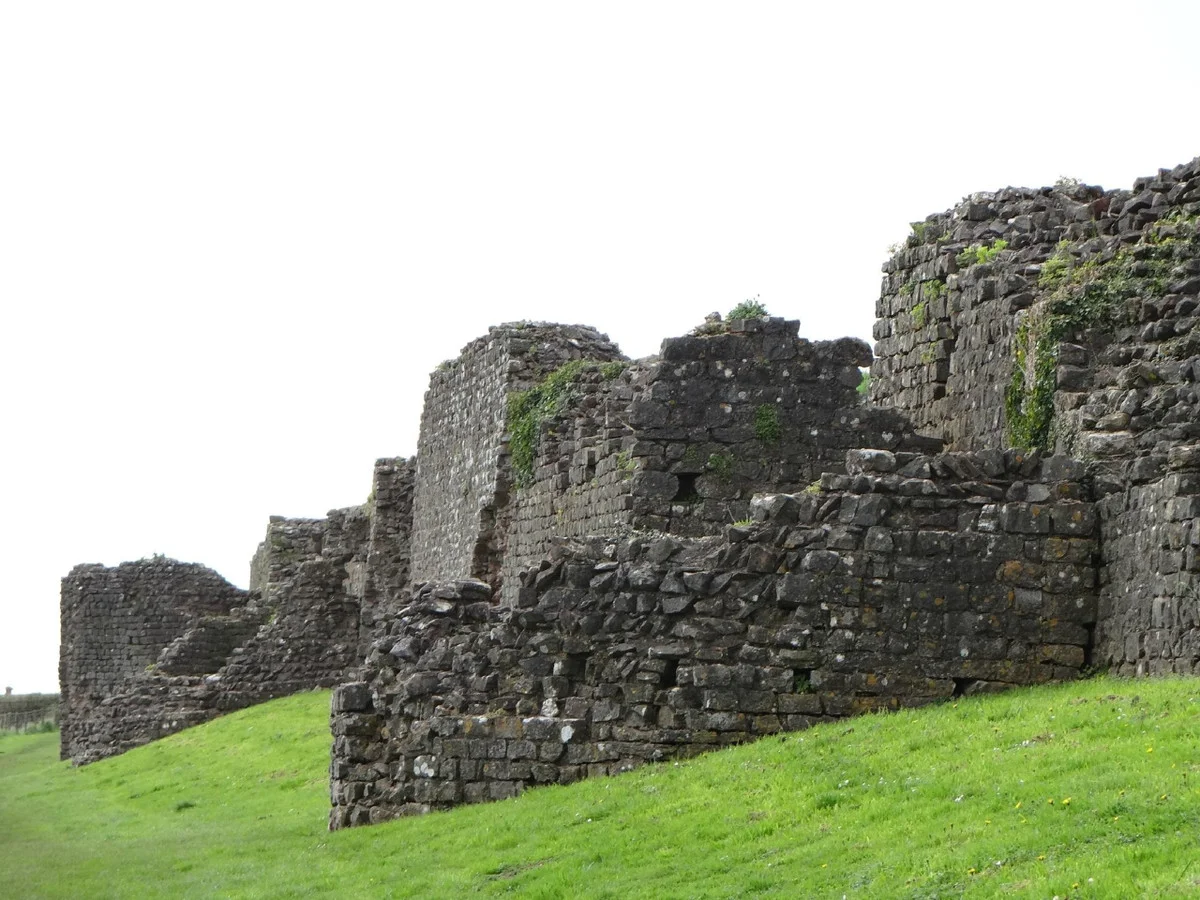
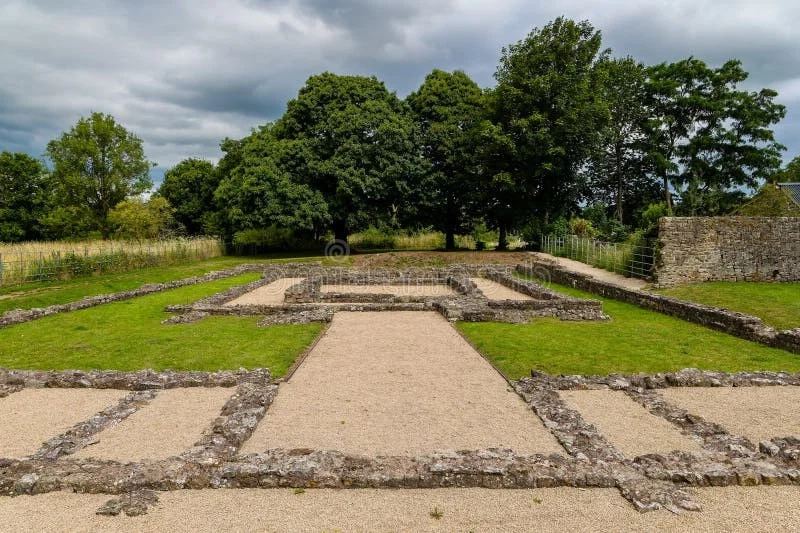
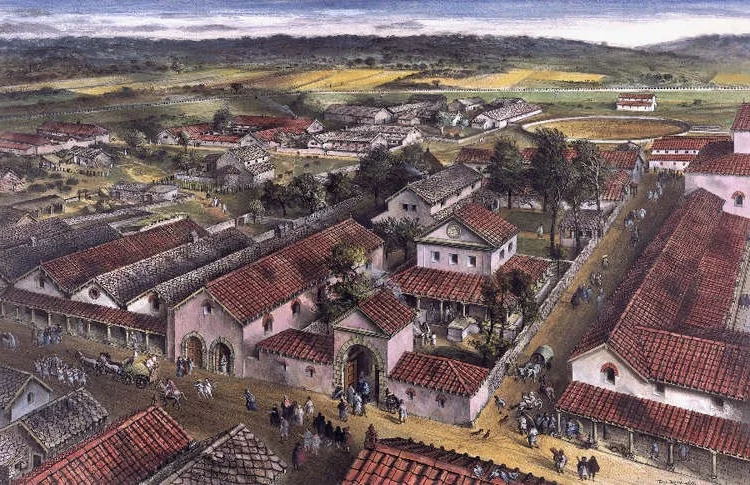
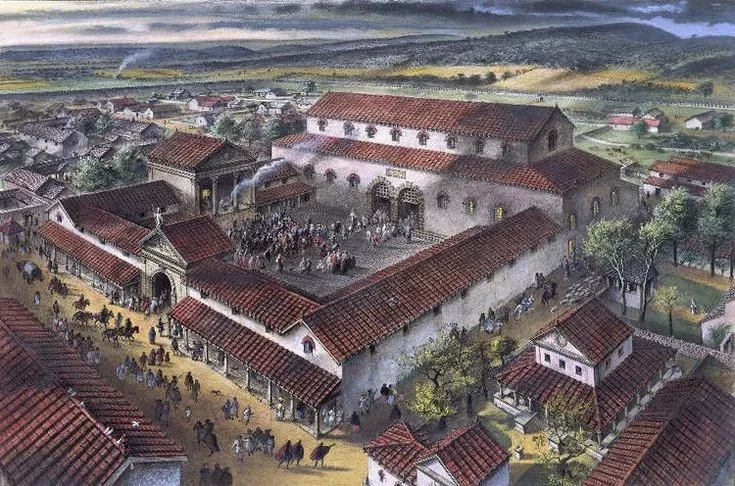
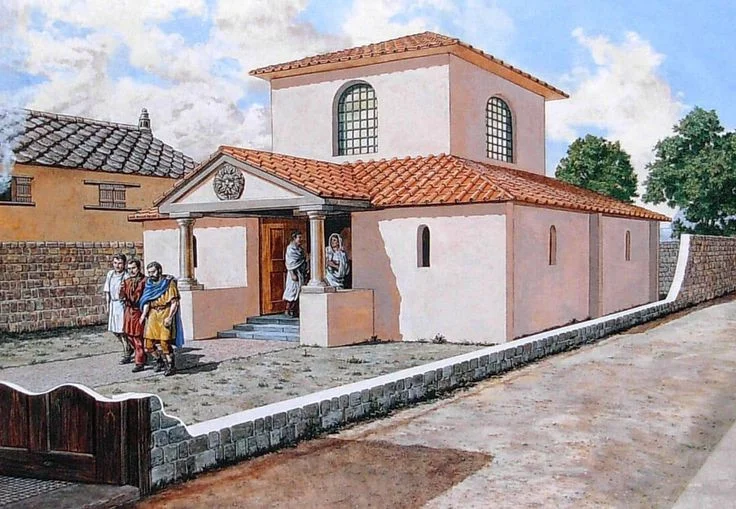
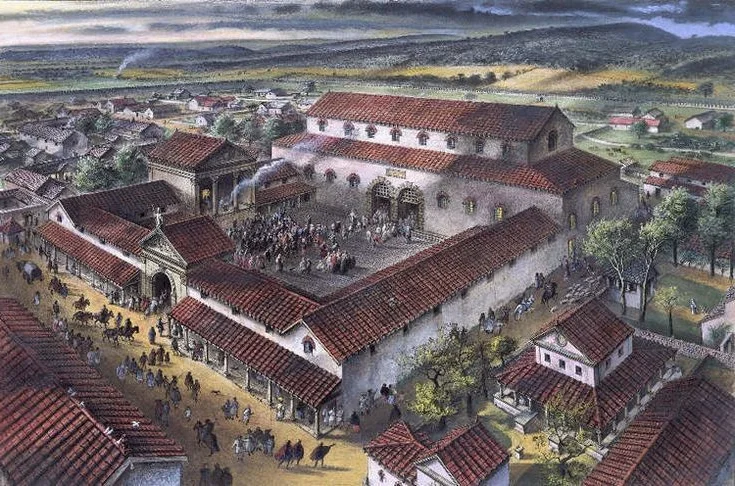
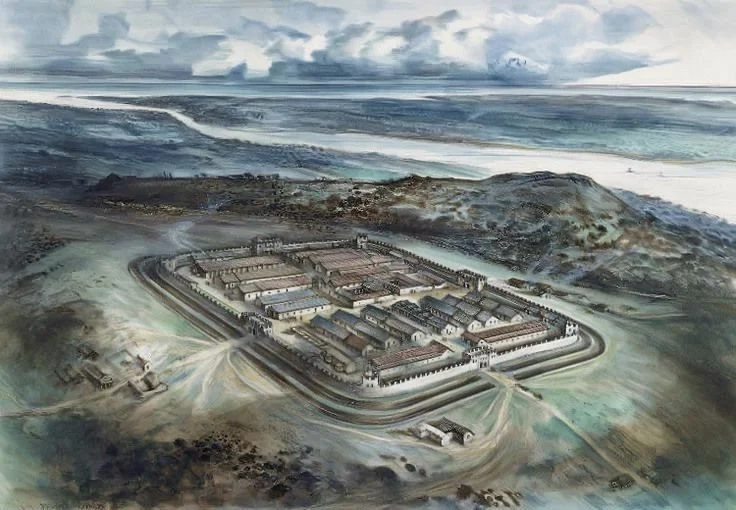
Step back in time and explore the fascinating history of Venta Silurum, the remarkable Roman capital located in the heart of modern-day Caerwent, Wales. As one of the most significant archaeological sites in the United Kingdom, Venta Silurum offers a unique window into the urbanization and daily life of Roman Britain. Established as the administrative center for the Silures tribe, this ancient town boasts impressive stone fortifications and well-preserved foundations that showcase the architectural ingenuity of the Roman Empire.Visitors can wander through the remnants of a once-thriving urban hub, featuring a forum, basilica, and intricate courtyard houses. The site is particularly famous for its exceptionally well-preserved town walls, which still stand tall against the lush Welsh landscape. Whether you are a history enthusiast, an archaeology student, or a curious traveler, the ruins provide a profound sense of connection to the past. The transition from Roman rule to the post-Roman era is etched into every stone, making it a must-visit destination for anyone exploring the heritage of Wales.
This digital preview (Ref: 011a3271-9680-4eb1-91a6-56af69b44184) highlights the incredible amenities and structural sophistication that defined this Roman outpost. From advanced heating systems to beautiful mosaics, the legacy of Venta Silurum continues to captivate those who seek to understand the origins of urban civilization in the British Isles. Add this historical gem to your travel itinerary and witness the enduring spirit of ancient Rome in the beautiful countryside of South Wales.
#VentaSilurum , #RomanBritain , #WalesTravel , #AncientRuins , #ArchaeologyLovers , #HistoryOfWales , #RomanArchitecture , #Caerwent
Comment
evlyn
2026-02-19 10:41:29.575439
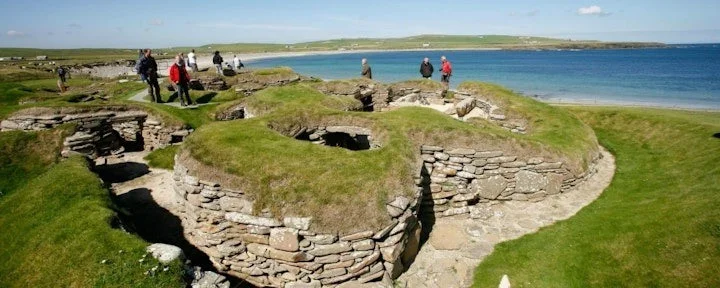
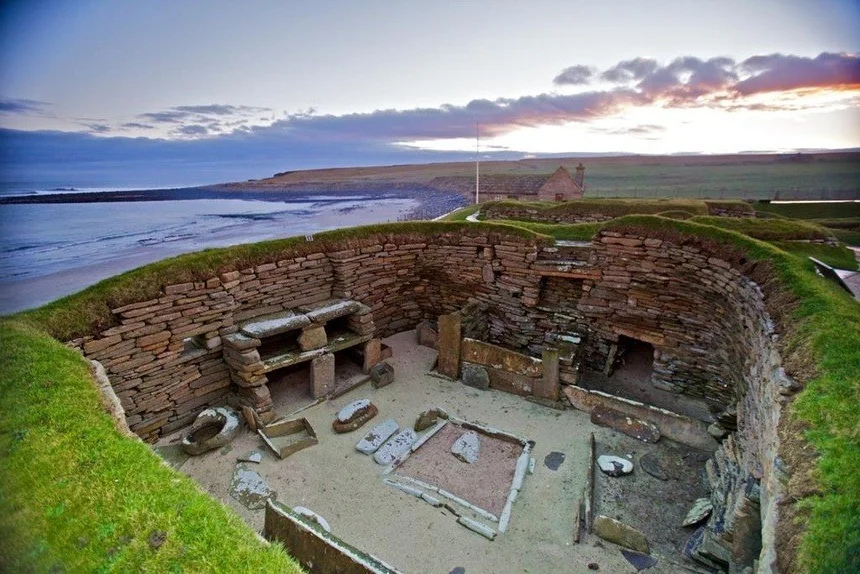
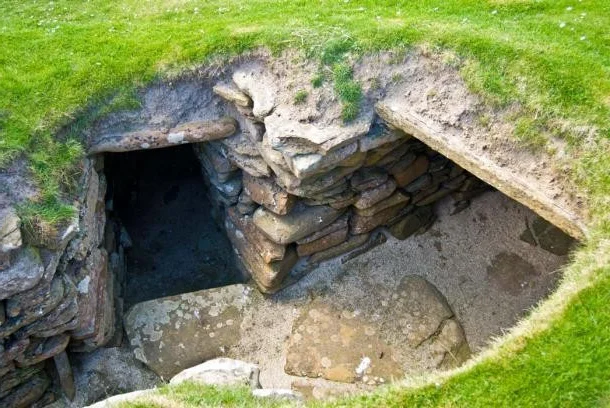
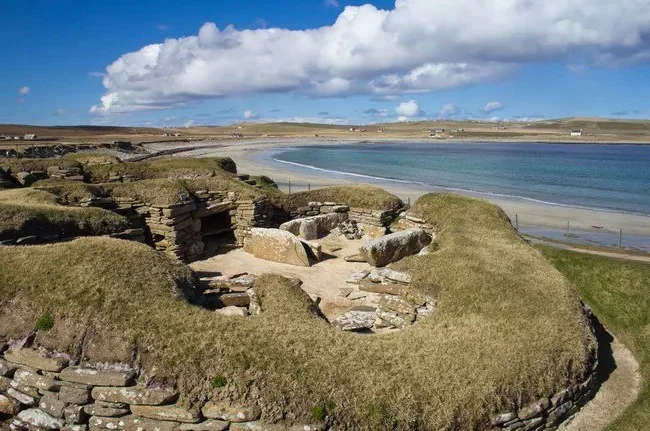
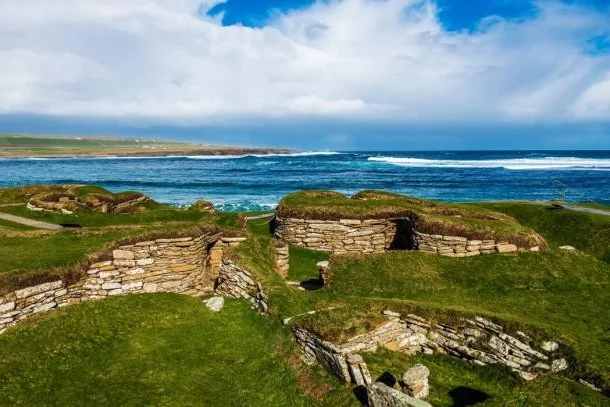
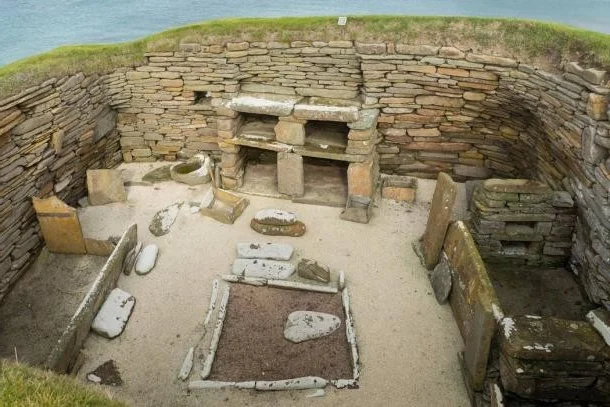
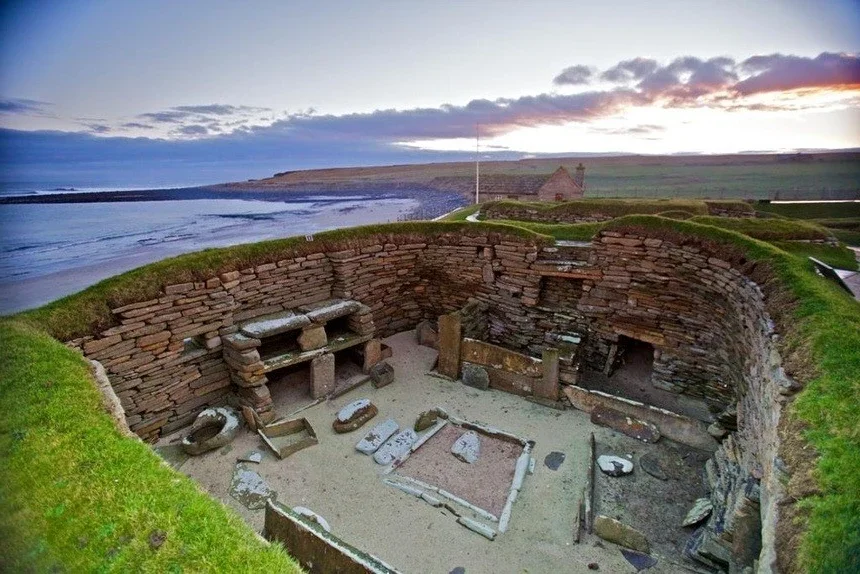
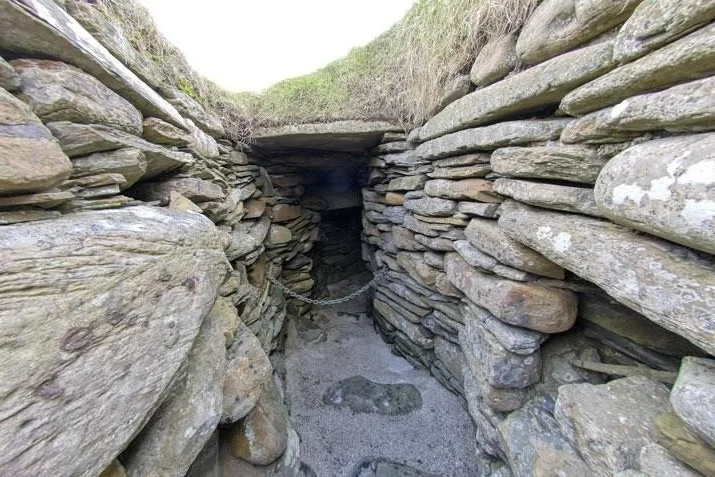
Exploring Skara Brae: Discover the 5,000-Year-Old Neolithic Village in Scotland’s Orkney Islands, Often Called the Pompeii of the North
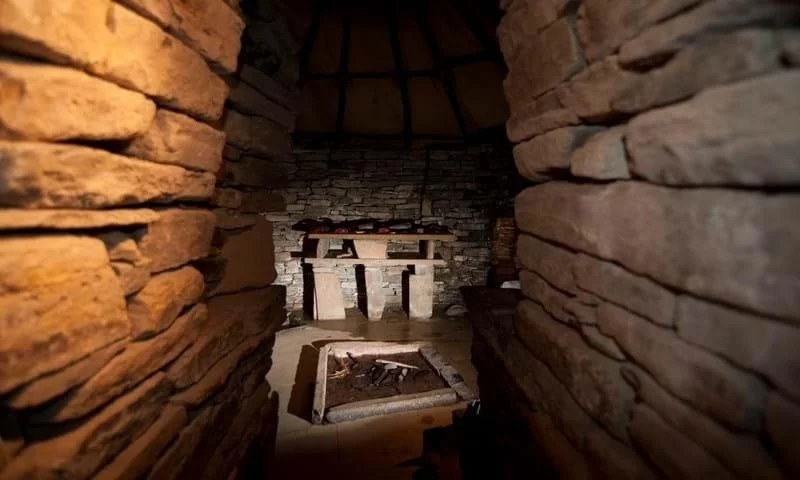
Step back in time to Skara Brae, an extraordinary Neolithic settlement nestled on the Bay of Skaill in Scotland’s Orkney Islands. Dating back over 5,000 years, this remarkably preserved site is older than the Great Pyramids and Stonehenge, earning it the nickname "The Pompeii of Scotland." Unlike many ancient ruins where only foundations remain, Skara Brae offers a hauntingly intimate glimpse into prehistoric life.Walking through this UNESCO World Heritage site, you’ll see ancient stone dwellings connected by low-roofed passages. What makes Skara Brae truly unique is the stone-built furniture found within the homes—beds, dressers, and even cupboards that have survived the millennia. Originally buried by sand for centuries, the site was revealed by a fierce storm in 1850, uncovering a world frozen in time.
For history enthusiasts and travel lovers, a visit to this archaeological wonder is a bucket-list experience. The rugged coastal backdrop of the Orkneys adds to the mystical atmosphere, making it a photographer’s dream. Whether you are exploring the Ring of Brodgar or the Maeshowe chambered cairn nearby, Skara Brae remains the crown jewel of the Heart of Neolithic Orkney. Discover the secrets of our ancestors and marvel at the ingenuity of these early builders who created a thriving community long before the modern era. It’s more than just a ruin; it’s a portal to the past that continues to captivate visitors from around the globe.
#SkaraBrae , #OrkneyIslands , #ScotlandTravel , #NeolithicVillage , #AncientHistory , #ArchaeologyLovers , #UNESCOWorldHeritage , #PompeiiOfScotland
Lonnie McElwee
2026-02-16 21:15:20.980651
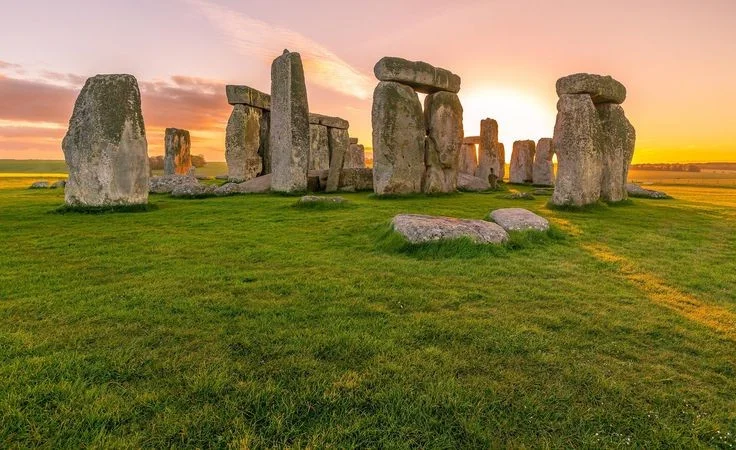
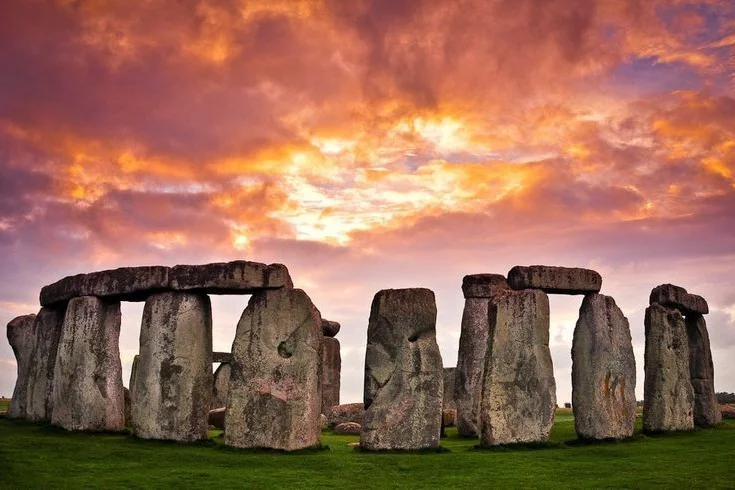
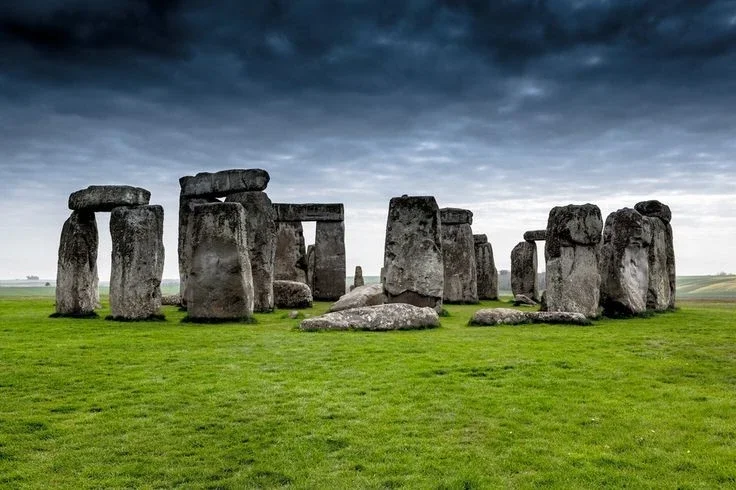
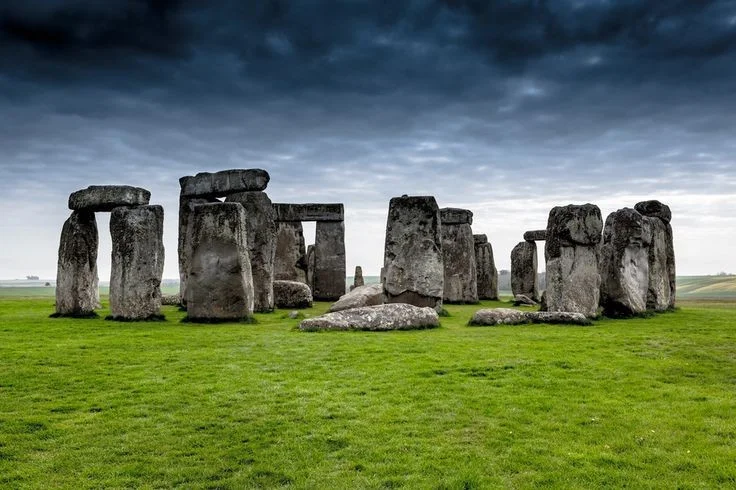
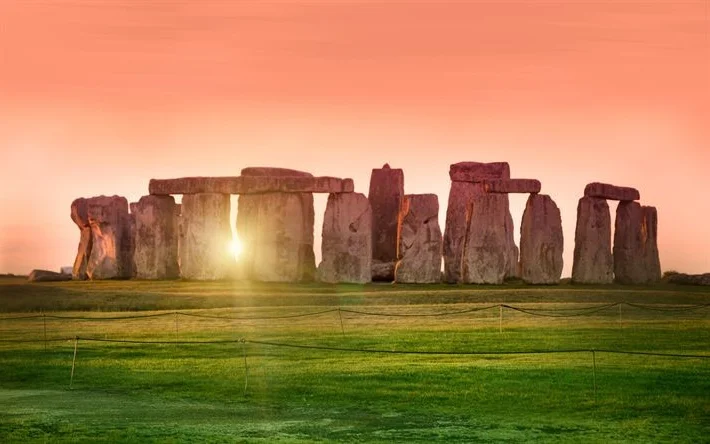
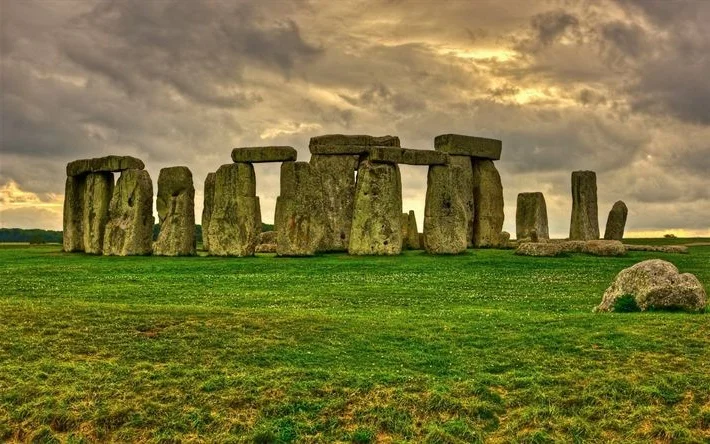
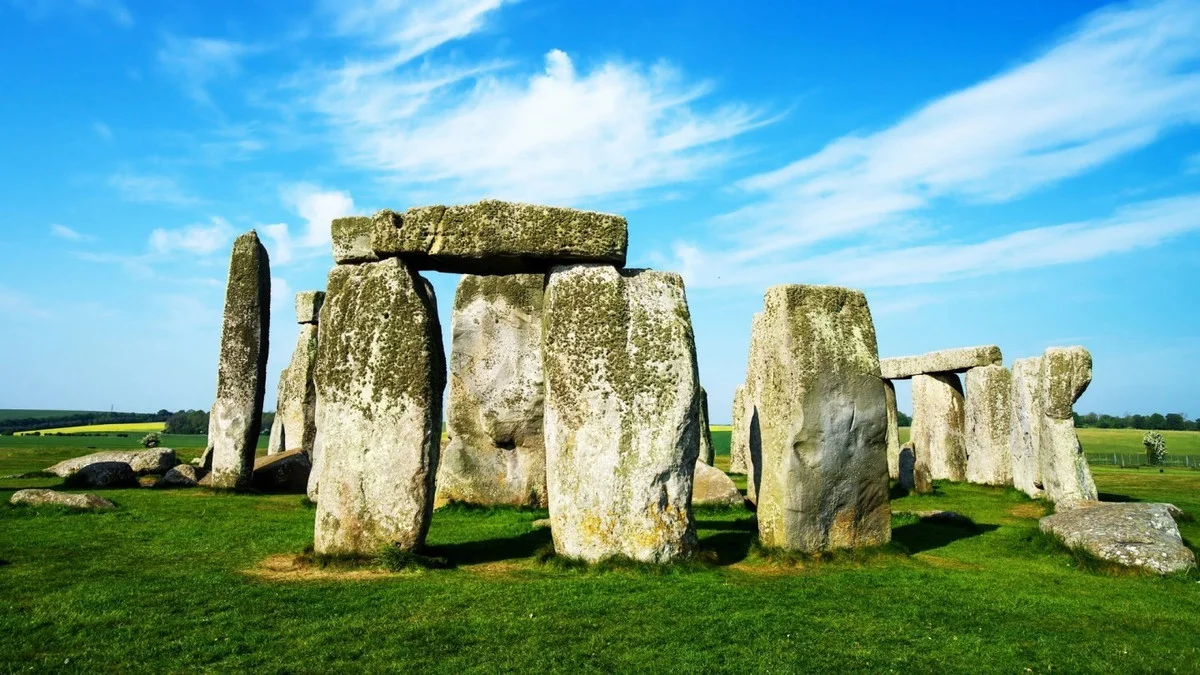
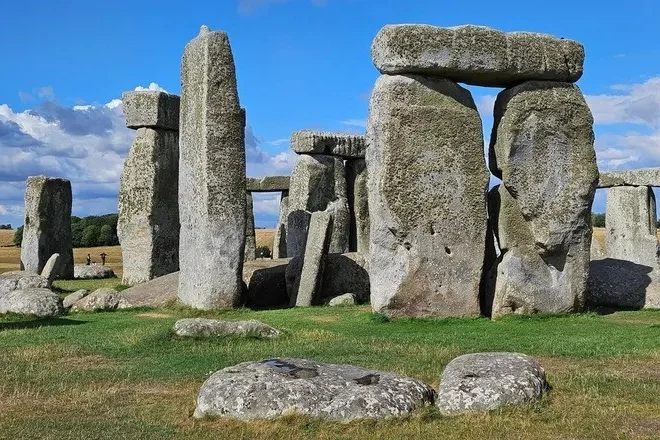
Unveiling the Mysteries of Stonehenge: A Guide to England's Iconic Prehistoric Monument and Ancient Stone Circle Wonders
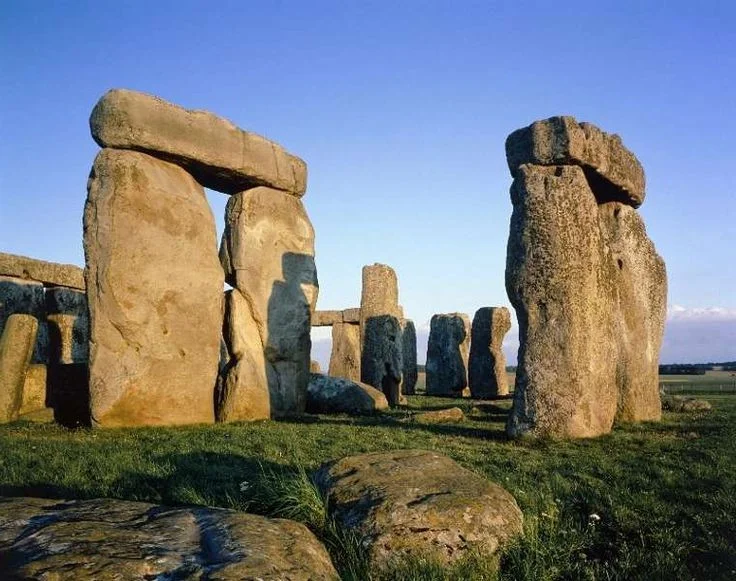
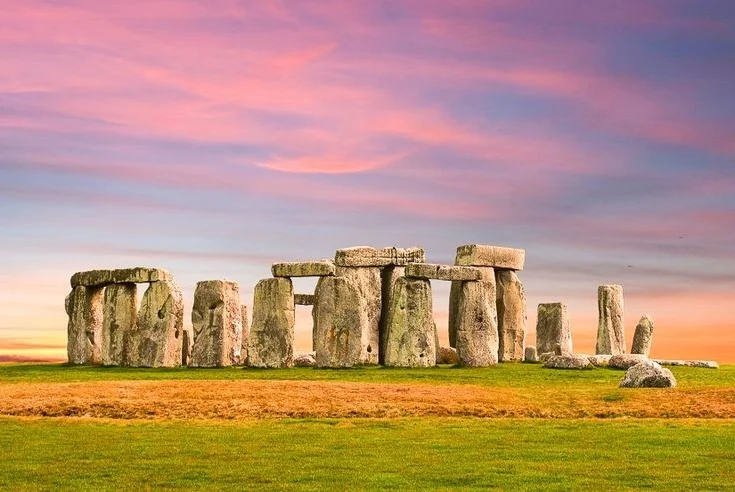
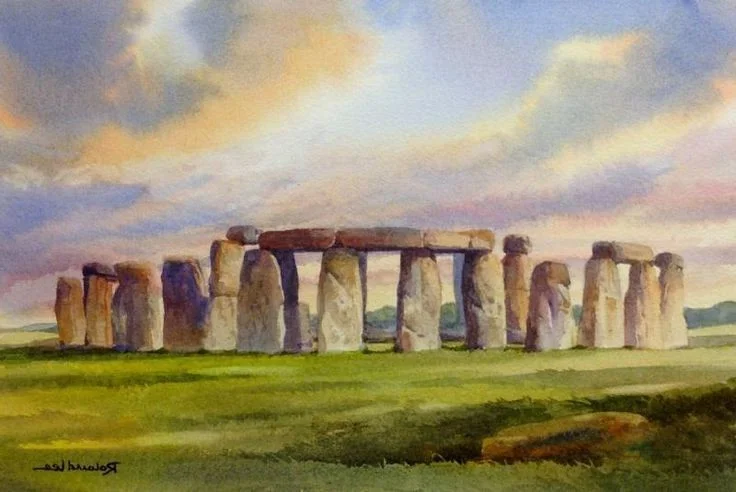
Standing majestically amidst the windswept Salisbury Plain, Stonehenge remains one of the world's most captivating archaeological enigmas. This prehistoric monument, consisting of massive sarsen stones and smaller bluestones, continues to baffle historians and travelers alike. Whether you are a history buff or a spiritual seeker, the sight of these towering megaliths silhouetted against the English sky is a bucket-list experience that transcends time. Recent research into the site suggests it served multiple purposes throughout the Neolithic and Bronze Age. From a sophisticated astronomical observatory aligned with the summer and winter solstices to a sacred burial ground and a place of ritual healing, the theories are as vast as the landscape itself.Visitors are often struck by the sheer engineering prowess required to transport these heavy stones over hundreds of miles without modern technology. Exploring Stonehenge offers a unique glimpse into the lives of our ancient ancestors, their complex beliefs, and their profound connection to the cosmos. As a UNESCO World Heritage site, it stands as a testament to human ingenuity and communal effort. When planning your trip to the United Kingdom, witnessing the golden hour at this ancient site provides a sense of wonder that few other locations can match. Dive deep into the legends of the Druids, the precise alignment of the stars, and the enduring legacy of this prehistoric masterpiece. This destination is essential for anyone interested in the roots of human civilization and the enduring power of ancient architecture.
#StonehengeMysteries , #AncientHistory , #VisitEngland , #ArchaeologyLovers , #TravelPhotography , #WorldHeritageSite , #MysticalPlaces , #PrehistoricWonders
shanterika
2026-02-16 21:01:54.772739
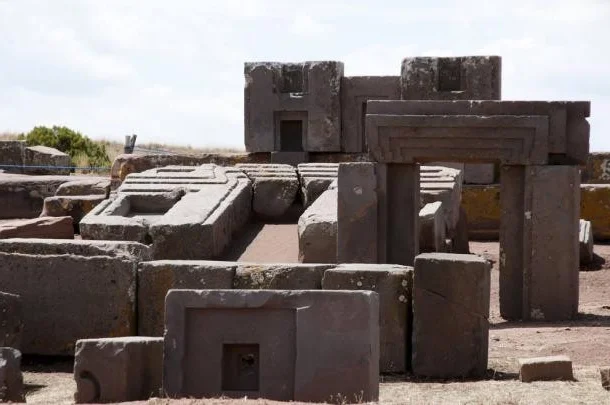
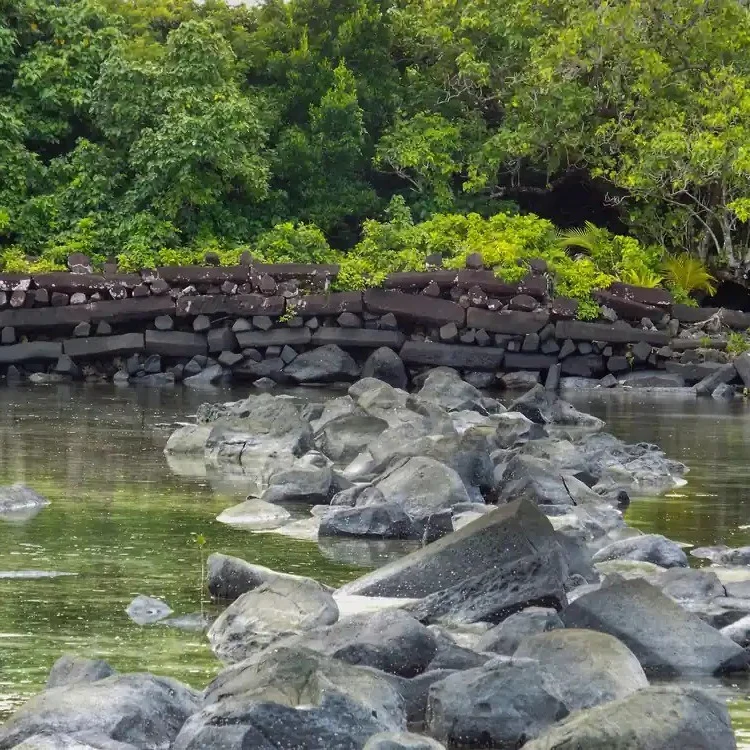
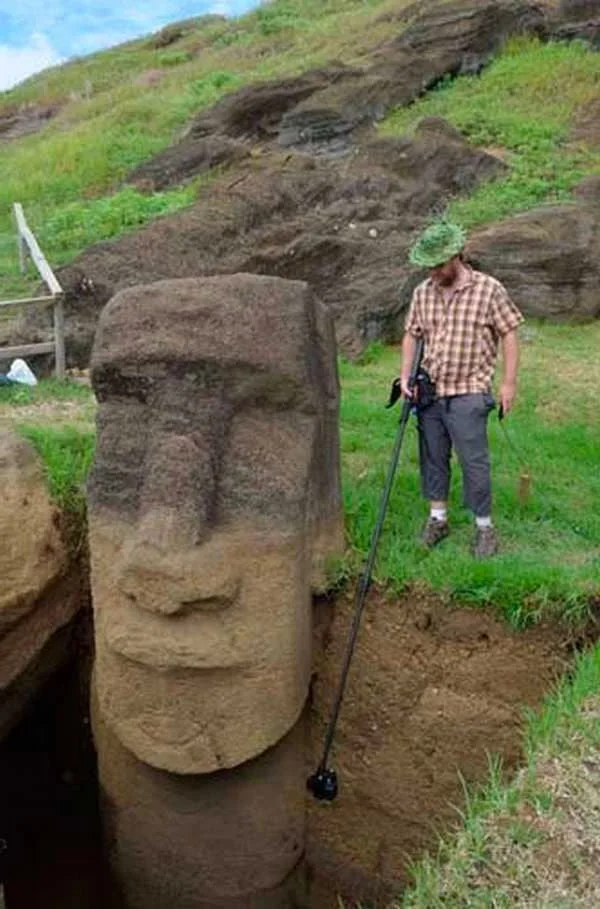
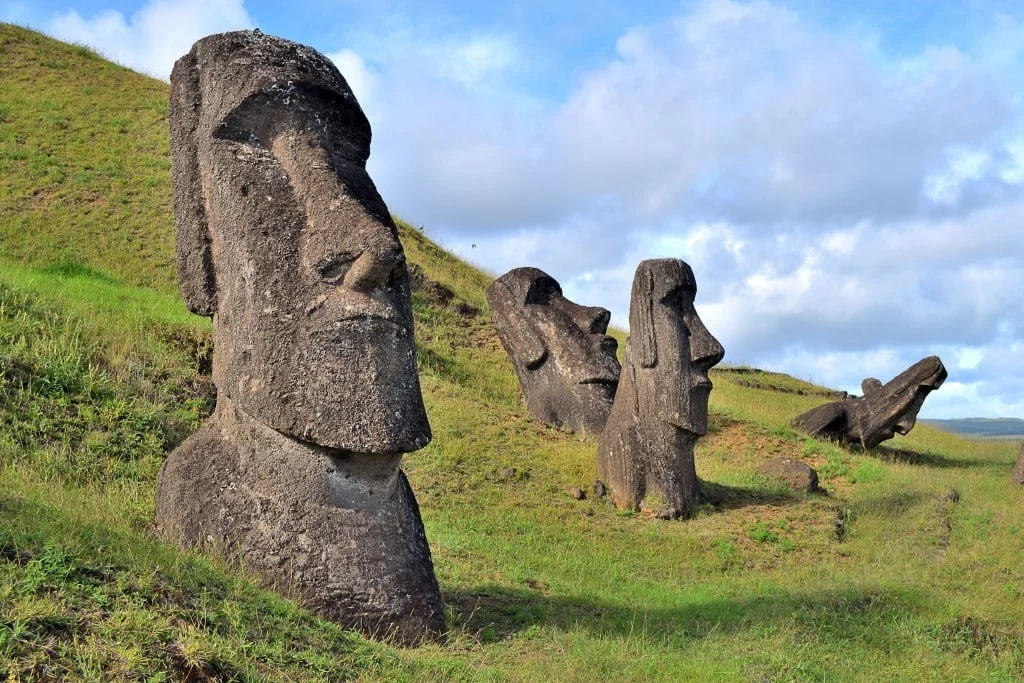
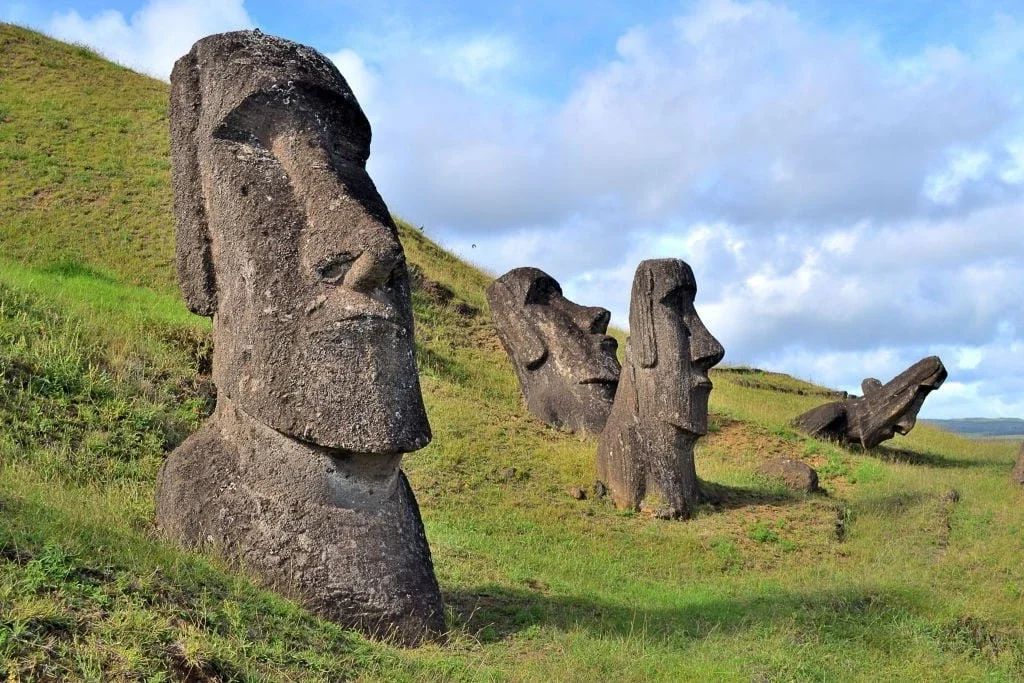
Unsolved Mysteries of Ancient Civilizations: Discovering the Enigmatic Moai Statues of Easter Island and Other Global Architectural Wonders.
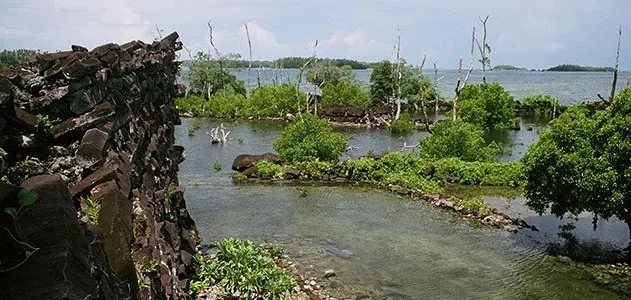
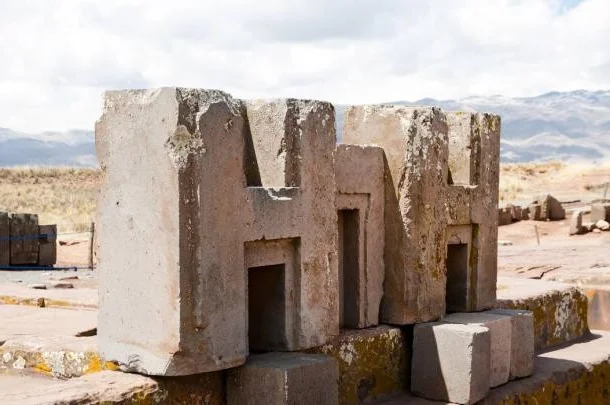
The world is filled with architectural marvels that defy modern logic, standing as silent witnesses to the ingenuity of lost civilizations. Among the most captivating are the Moai statues of Easter Island, also known as Rapa Nui. These monolithic stone figures, carved by the Rapa Nui people centuries ago, continue to baffle archaeologists and historians alike. How did an ancient culture move such massive volcanic rock sculptures across rugged terrain without the aid of modern machinery?In this visual journey, we explore the enigmatic presence of these stone giants, which symbolize the ancestral spirits and technical prowess of a civilization that thrived in total isolation. Beyond the shores of the Pacific, our planet is dotted with similar ancient structures—from the towering pyramids of Egypt to the precision-cut stones of South American ruins—that challenge our current understanding of prehistoric technology and engineering. These sites are more than just archaeological ruins; they are complex puzzles waiting to be solved, offering a rare glimpse into the spiritual, social, and political lives of our ancestors.
Whether you are a seasoned traveler planning your next bucket list adventure or a history enthusiast seeking to uncover the secrets of the past, these mysterious landmarks provide endless inspiration. The sheer scale and precision of these works remind us of the incredible human potential to create lasting legacies that withstand the test of time. Join us as we delve into the stories behind these world wonders, where every stone has a story and every mystery invites a deeper exploration of our shared global heritage.
#AncientMysteries , #EasterIsland , #MoaiStatues , #TravelPhotography , #ArchaeologyLovers , #HistoricalWonders , #RapaNui , #WorldHeritage
Ali Sadiqin
2026-01-26 12:57:26.165616
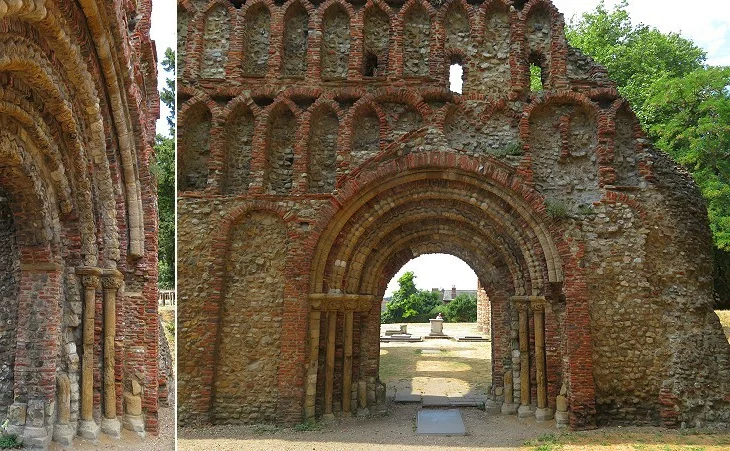
Step Back in Time: Discovering Camulodunum, the First Roman Capital of Britain
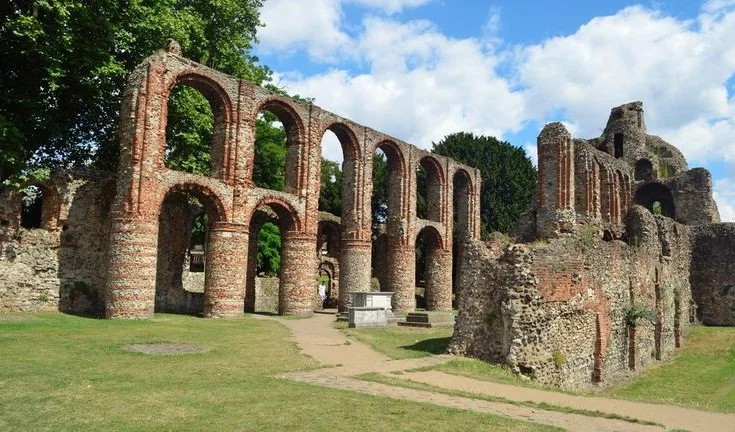
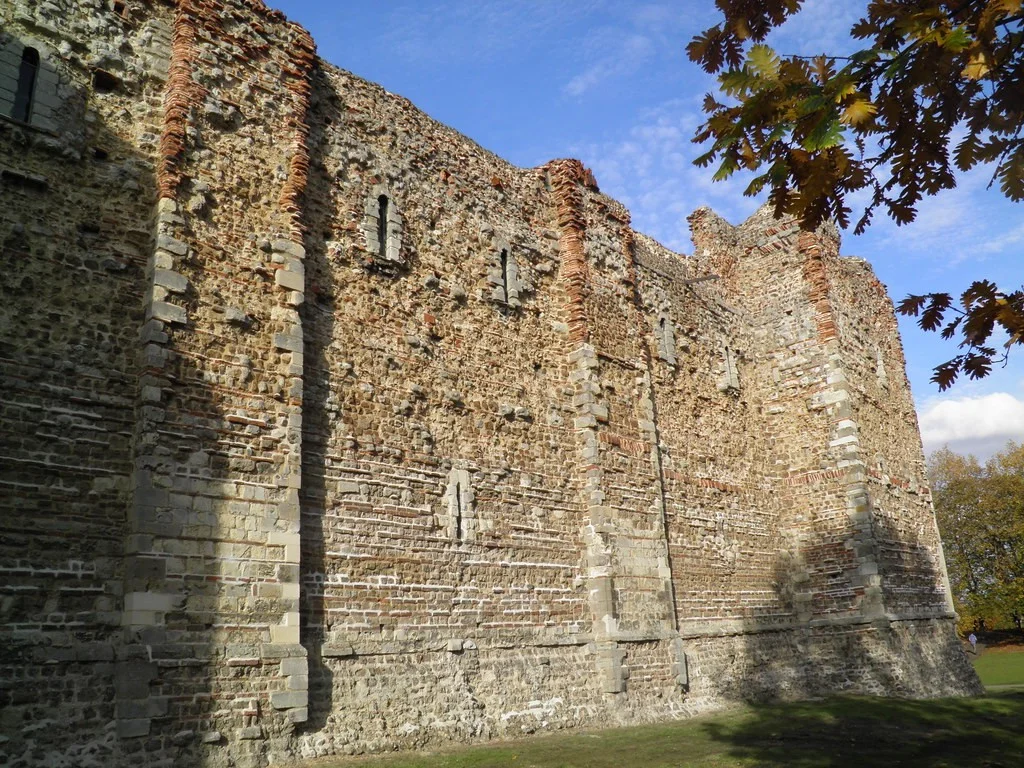
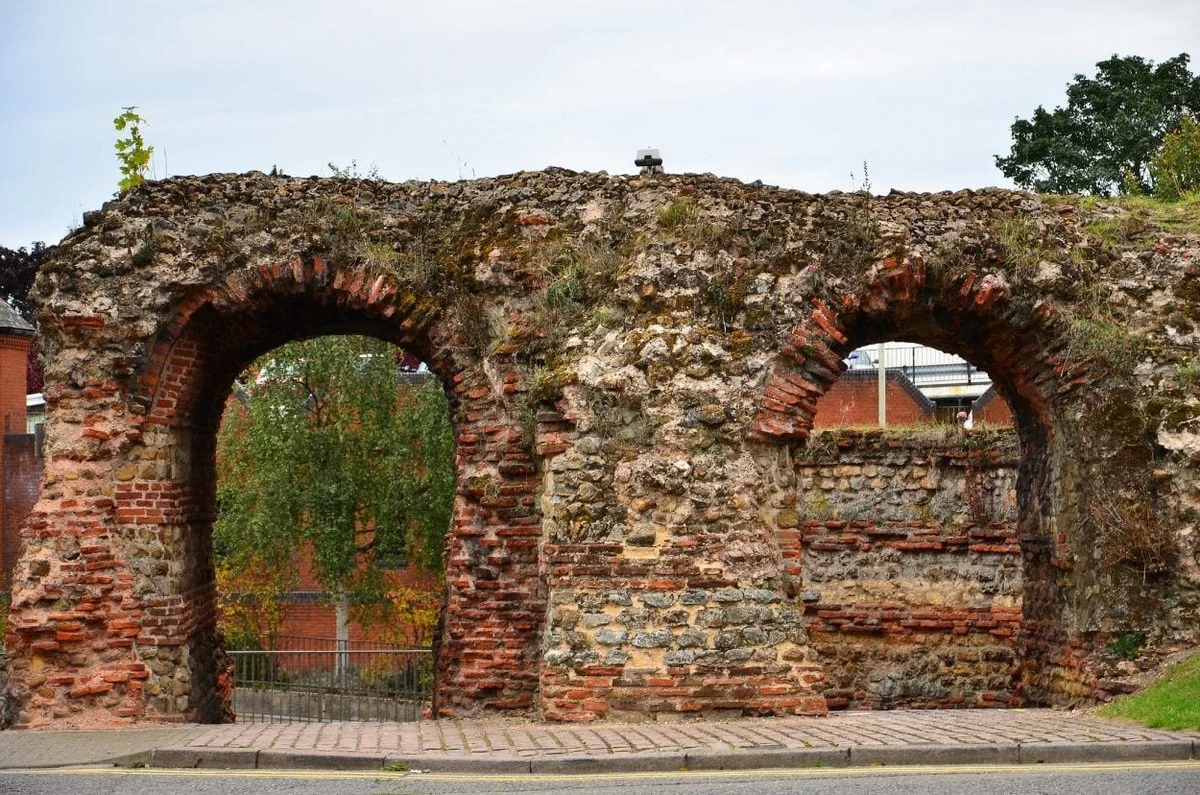
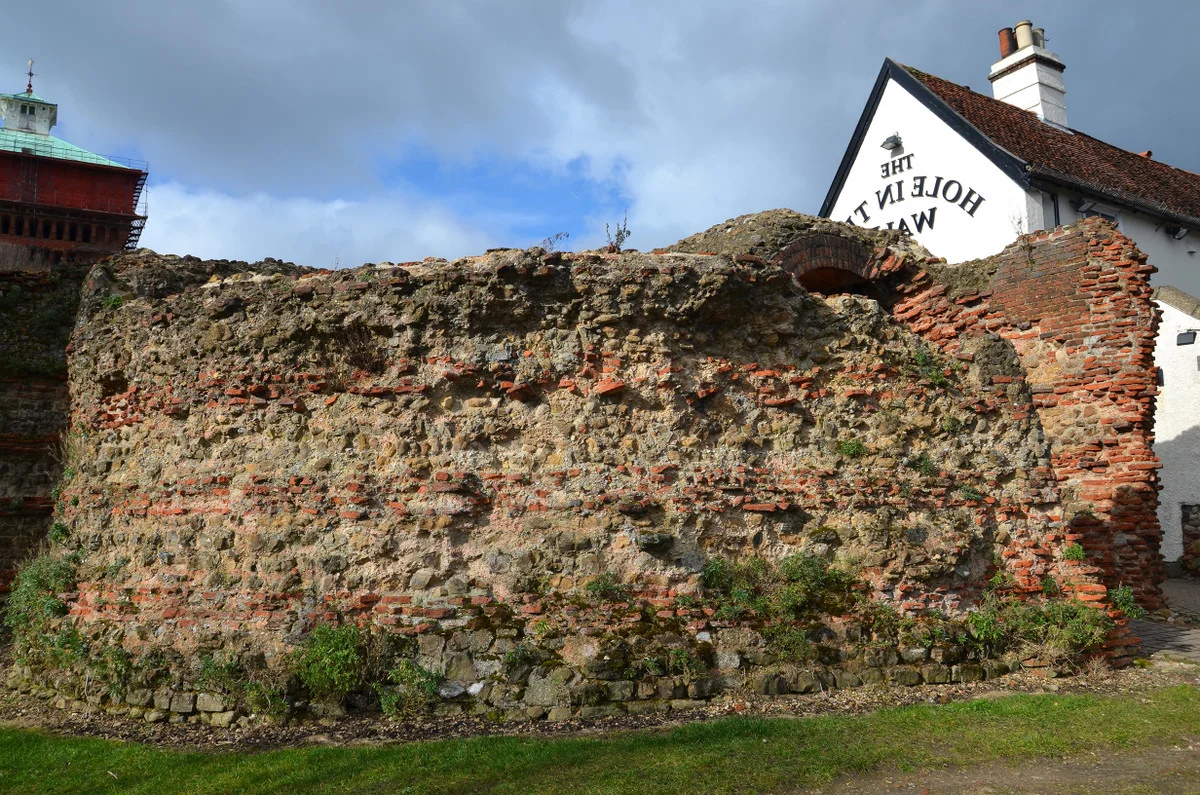
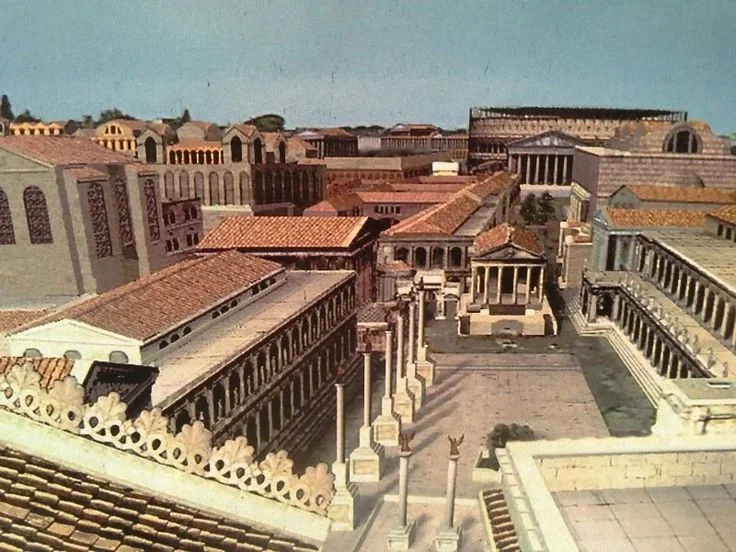
Long before London claimed its crown, Camulodunum—modern-day Colchester—stood as the grand first capital of Roman Britain. As you stand before the Balkerne Gate, the largest surviving Roman gateway in the UK, you can almost hear the rhythmic march of legionnaires and the bustling trade of a colonial superpower. This is where the story of Roman Britain truly began, a place where ancient stones whisper tales of ambition, conquest, and transformation.Founded as a legionary fortress following the invasion in 43 AD, Camulodunum evolved into a prestigious 'Colonia,' a retirement home for veterans of the Roman army. The city was a beacon of Romanitas, featuring the monumental Temple of Claudius, sophisticated villas, and an impressive theater. However, its grandeur made it a target. In 60 AD, the legendary Queen Boudica of the Iceni led a fierce rebellion that reduced the city to ashes, an event still visible today in the 'red layer' of burnt debris found by archaeologists beneath the modern streets.
Walking the Roman walls today is a poetic experience for any traveler. The weathered textures of Septaria and Roman brick create a stunning visual palette, perfect for those who find beauty in the intersection of history and nature. For the modern wanderer, Colchester offers more than just ruins; it offers a profound connection to the roots of Western civilization in the British Isles. Whether you are an architecture enthusiast, a history buff, or a visual storyteller, the ruins of Camulodunum provide an evocative backdrop that challenges the passage of time. Explore the echoes of an empire and witness the enduring legacy of the first city in Britain.
#RomanEmpire #VisitColchester #ArchaeologyLovers #BoudicaRevolt #HeritageTravel #EnglishHeritage #AncientHistory #TravelGram
Stories
-
Creat Your Story
time to story
-

Anna Mull
1 hour ago
-

Ira Membrit
4 hour ago
-

Bob Frapples
9 hour ago
Events
-

Web Workshop
1 hour ago
-

Fun Events and Festivals
1 hour ago
Upcoming Birthday
-
Anna Sthesia
Today
-

Paul Molive
Tomorrow