
 Select Photos
dyer
2026-02-20 15:24:12.792441
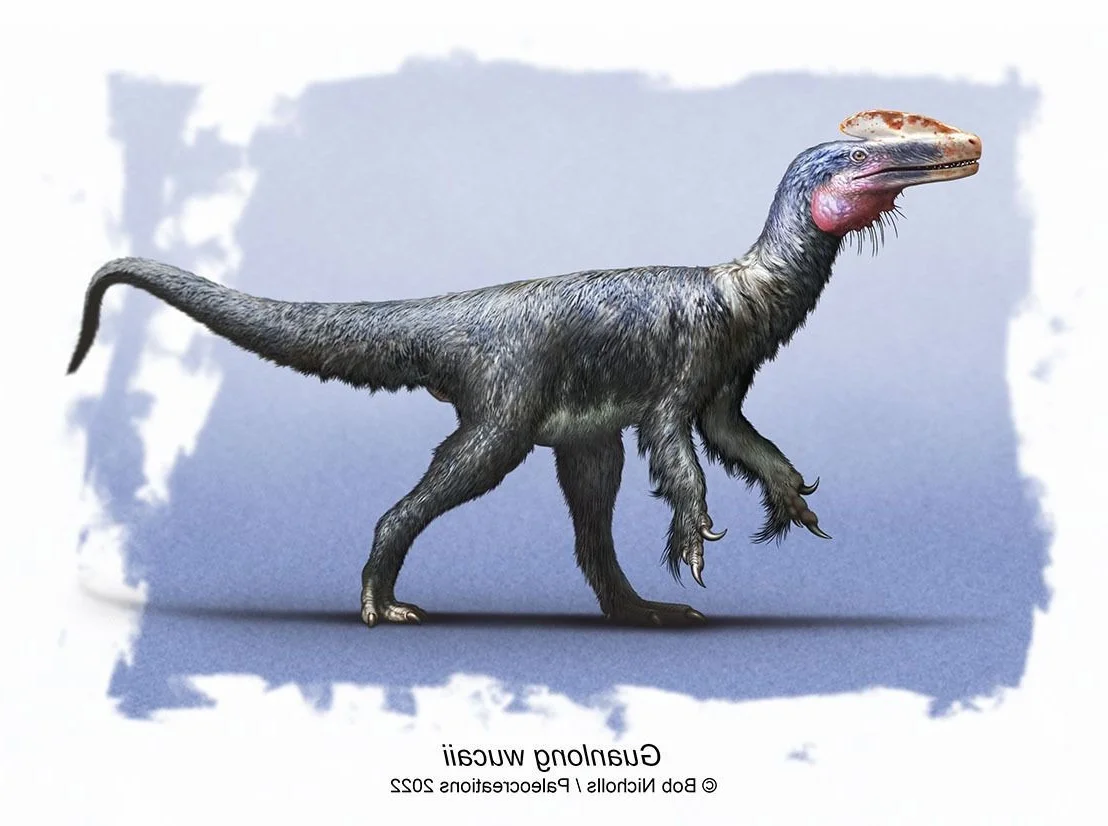
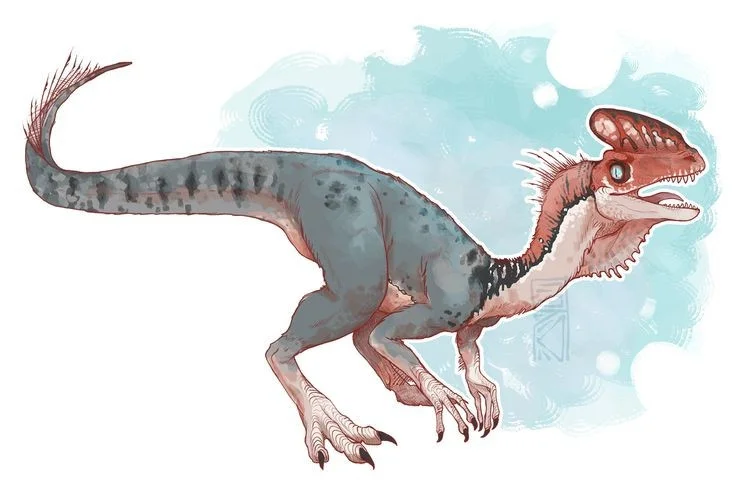
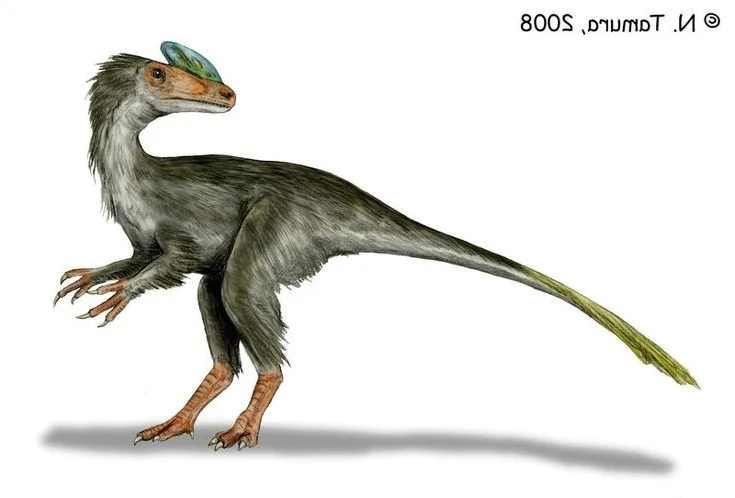
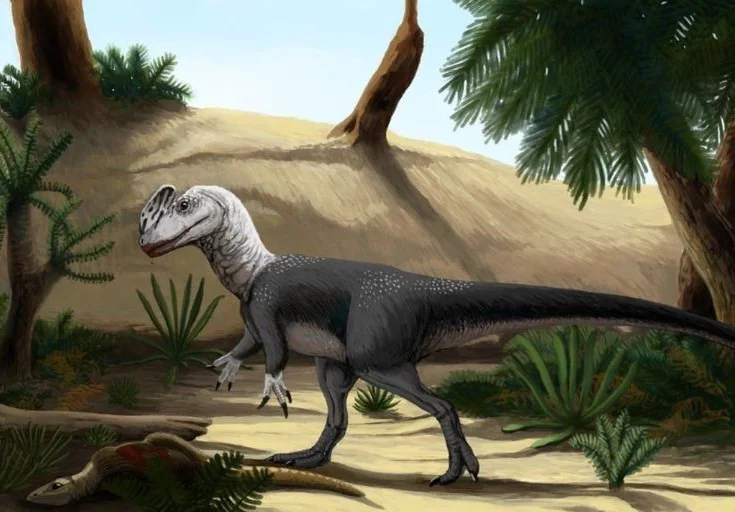
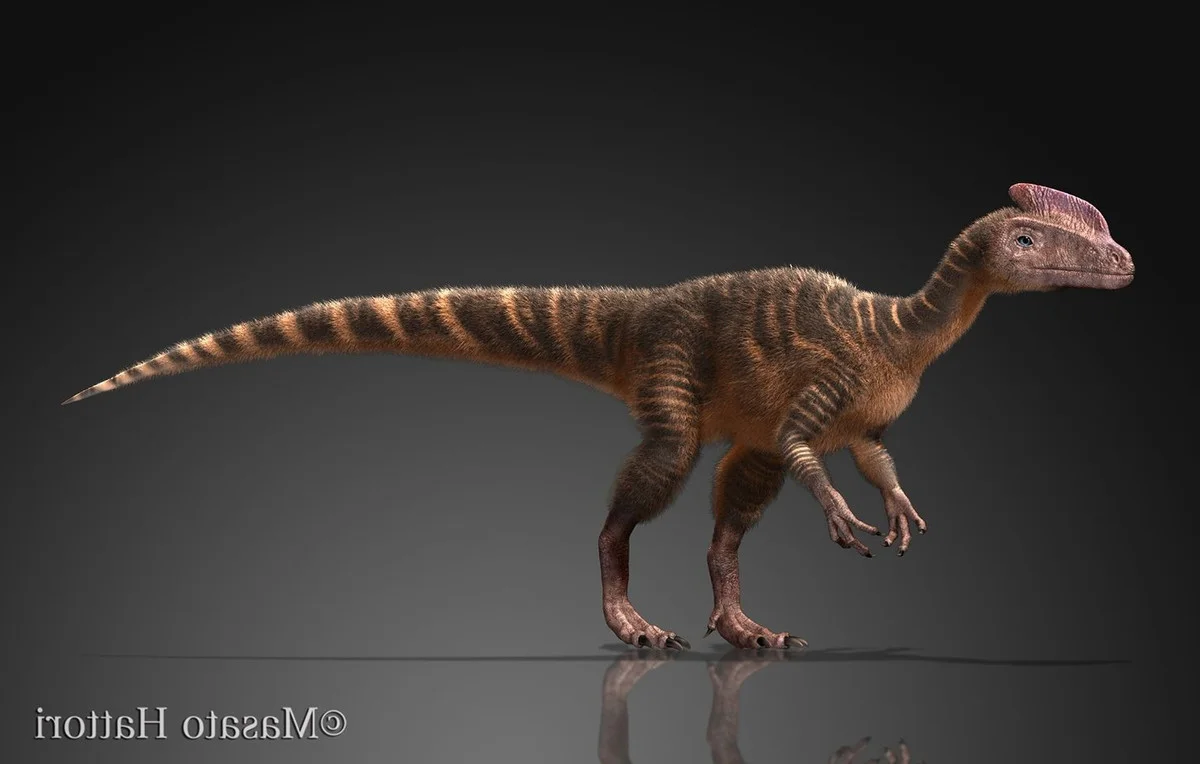
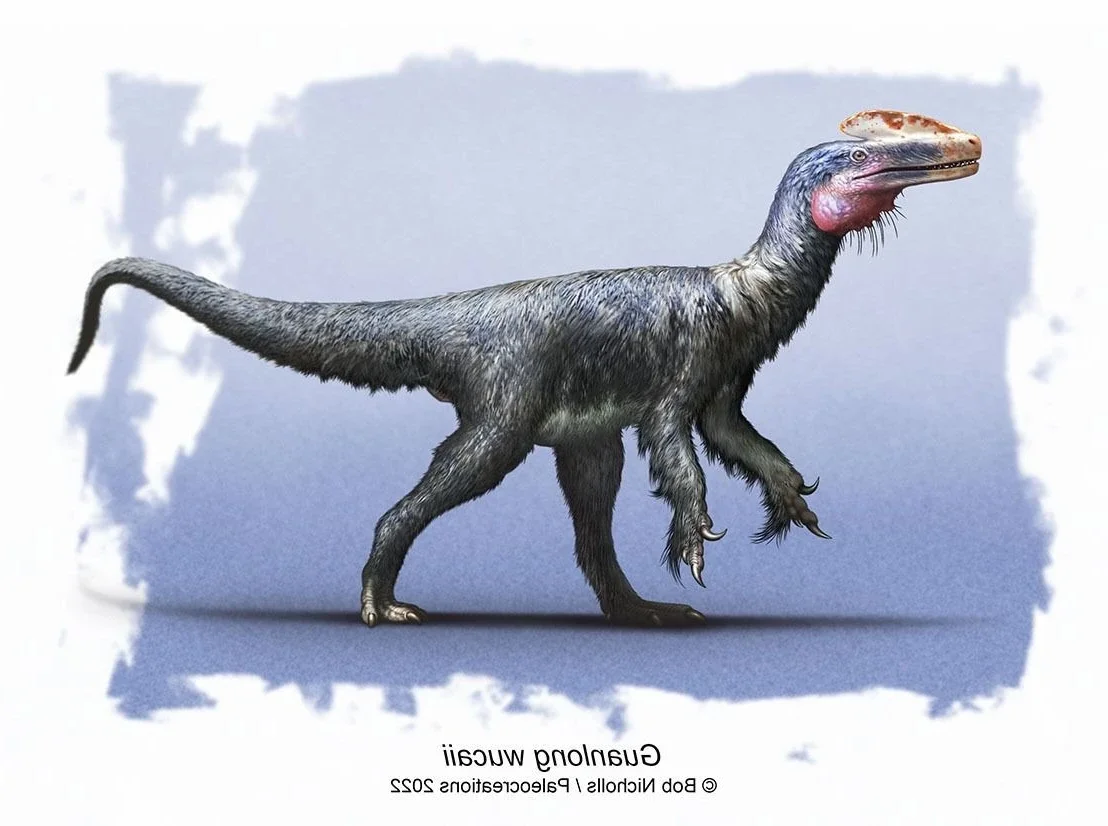
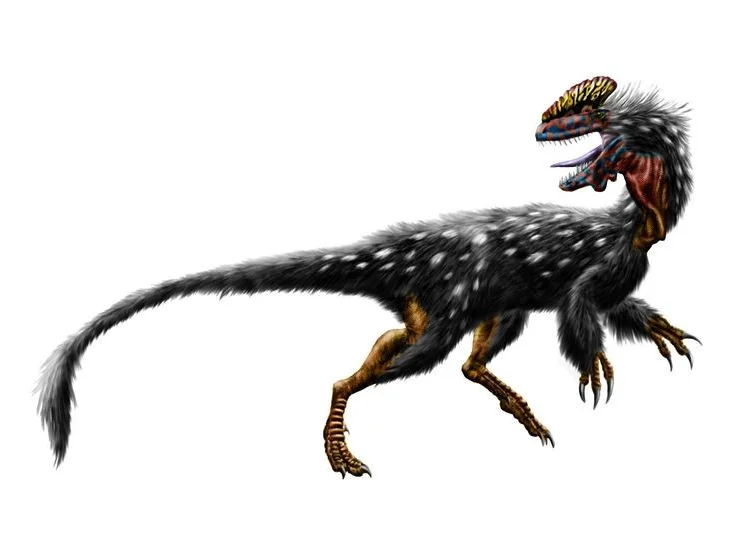
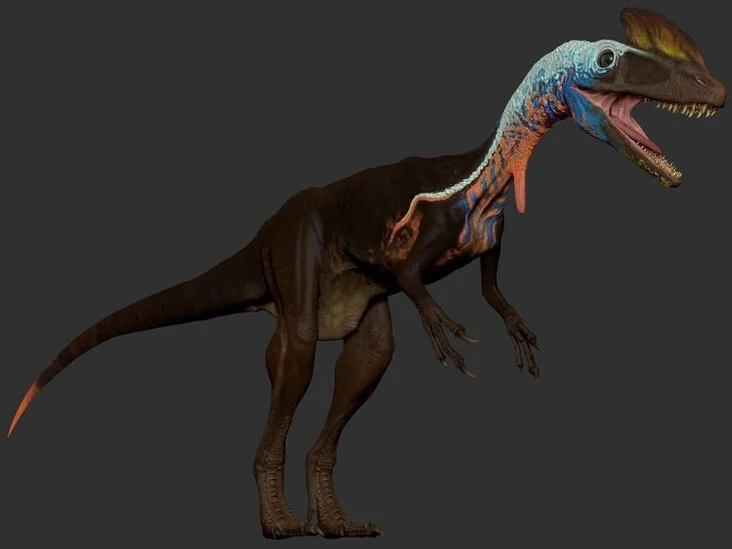
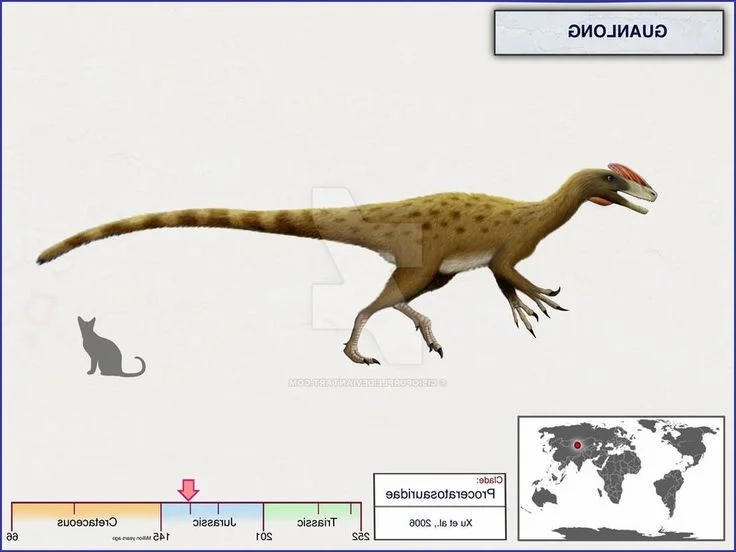
Meet Guanlong: The Bizarre Crested Ancestor of the Tyrannosaurus Rex and the Fascinating Evolution of Prehistoric Predators
Have you ever wondered what the mighty Tyrannosaurus Rex looked like before it became the undisputed king of the dinosaurs? Meet Guanlong wucaii, a fascinating and somewhat bizarre ancestor that roamed the earth millions of years before its famous descendant. This primitive tyrannosauroid, discovered in the fossil-rich Junggar Basin of China, offers a shocking and detailed glimpse into the evolutionary journey of the world's most feared predator.Unlike the massive, bone-crushing T-Rex we often see in films, Guanlong was a much smaller, agile theropod. Its most striking physical feature is the delicate, hollow crest atop its head, which scientists believe was used for social display or species recognition rather than combat. Despite its modest size, Guanlong possessed the sharp teeth and predatory instincts that hint at the apex predator lineage to follow. This discovery has become a cornerstone in modern paleontology, providing essential clues about how small, feathered creatures evolved into the giants of the Cretaceous period.
Exploring the history of Guanlong helps us understand the complex and often surprising tree of life. For dinosaur enthusiasts and science lovers across the US and Europe, this prehistoric marvel represents the incredible diversity of the Jurassic era. Whether you are a student of paleontology or simply a fan of natural history, the story of this 'crowned dragon' is a testament to the wonders of evolution and the secrets still hidden within the earth's strata. Dive into the world of ancient fossils and discover the roots of the Tyrannosaurus Rex today.
#DinosaurEvolution , #GuanlongWucaii , #PrehistoricLife , #PaleontologyNews , #TyrannosaurusRex , #JurassicWorld , #FossilDiscovery , #AncientHistory
Comment
caley
2026-02-20 15:02:17.602397
Unveiling Yeneen houssayi: The Massive 10-Ton Prehistoric Titanosaur Discovery That Rewrites Ancient History
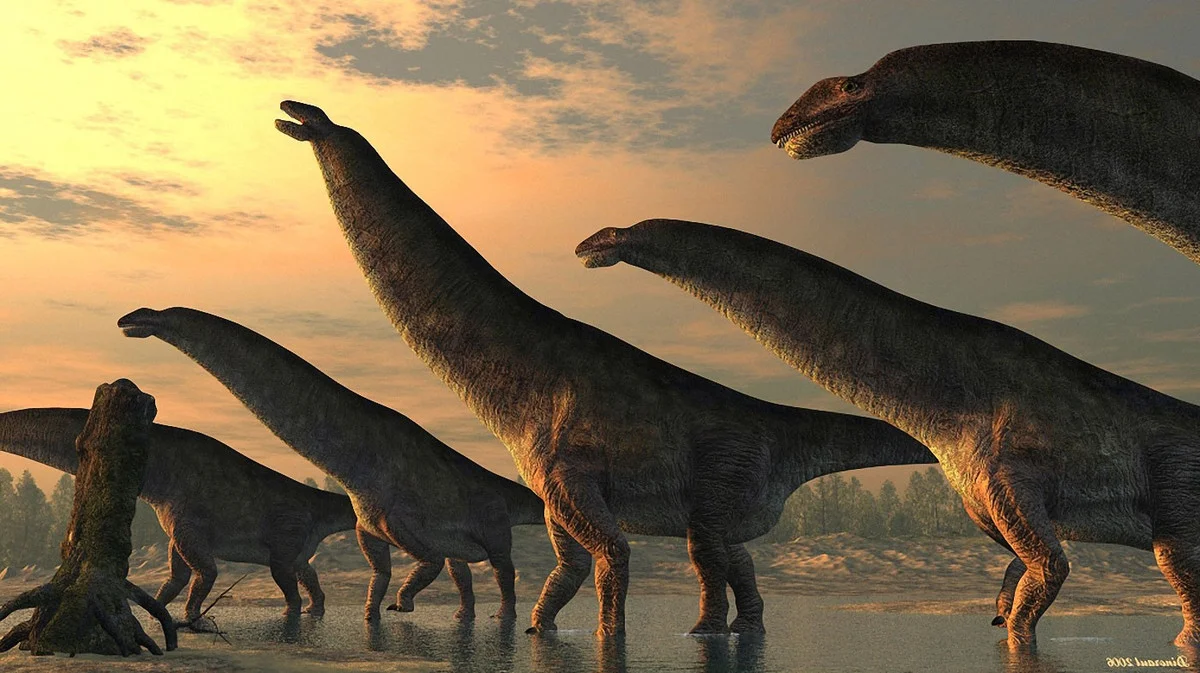
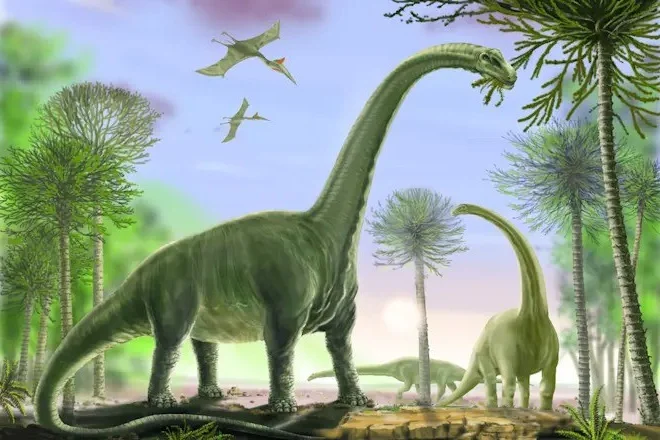
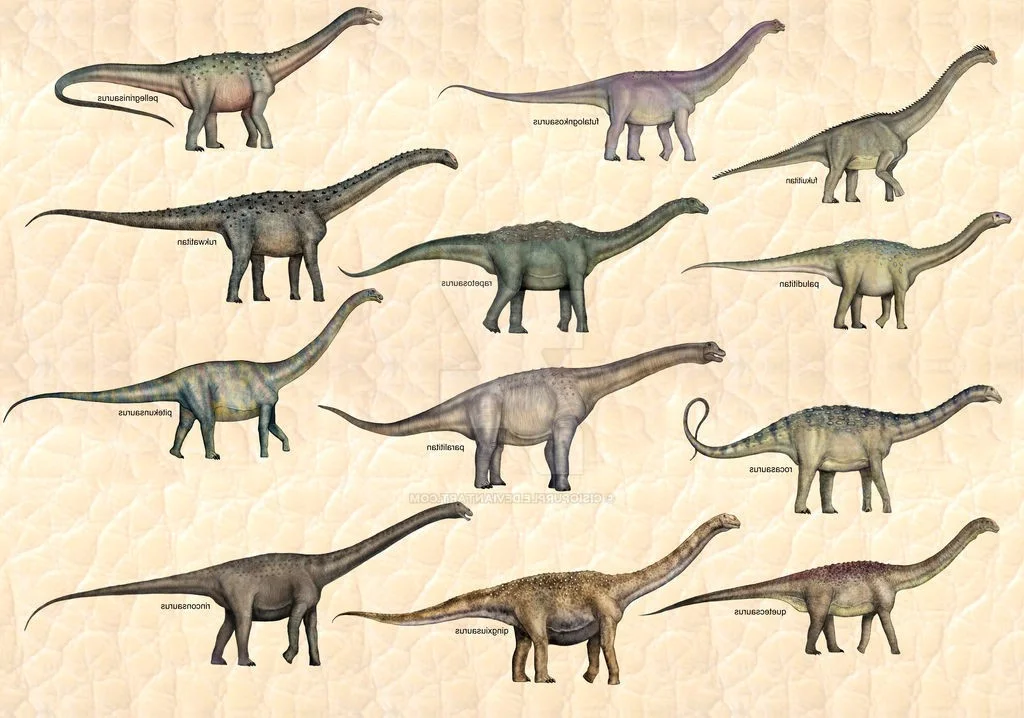
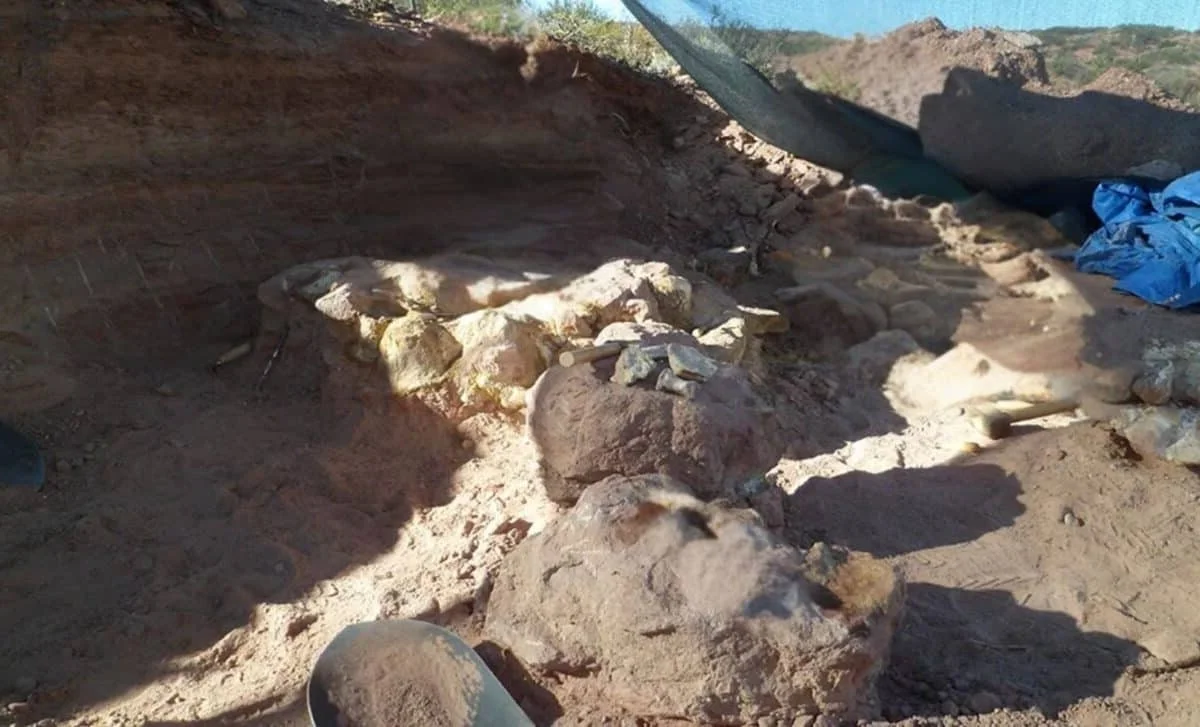
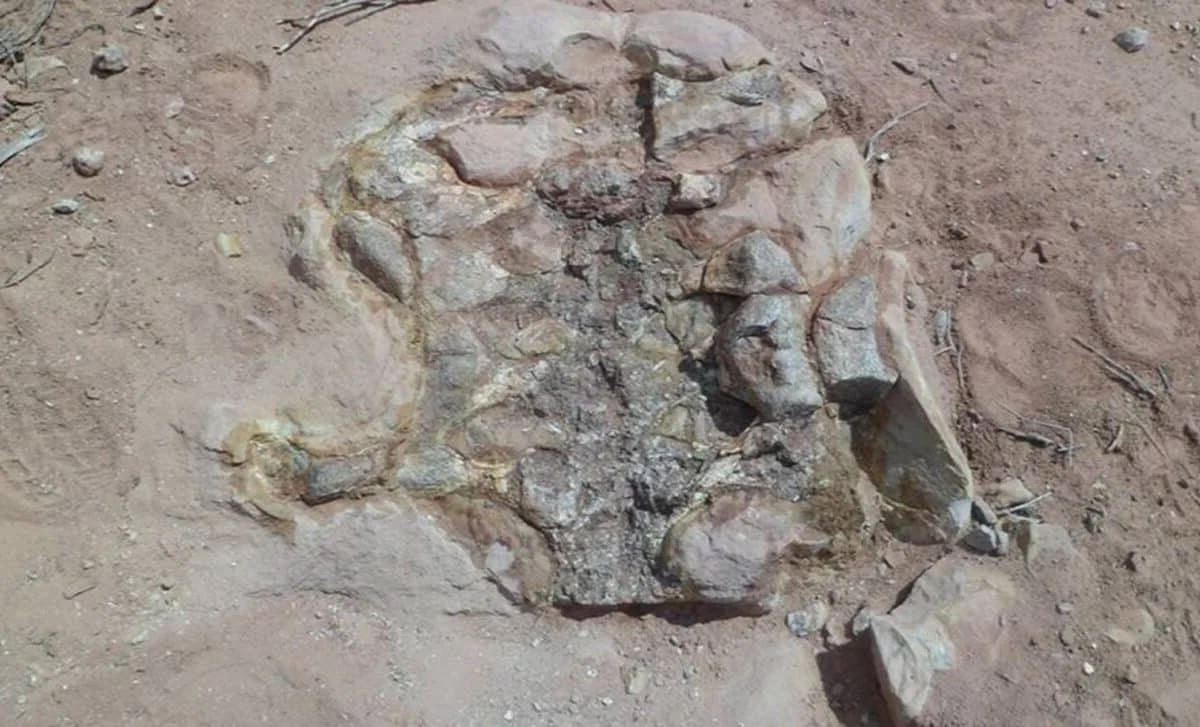
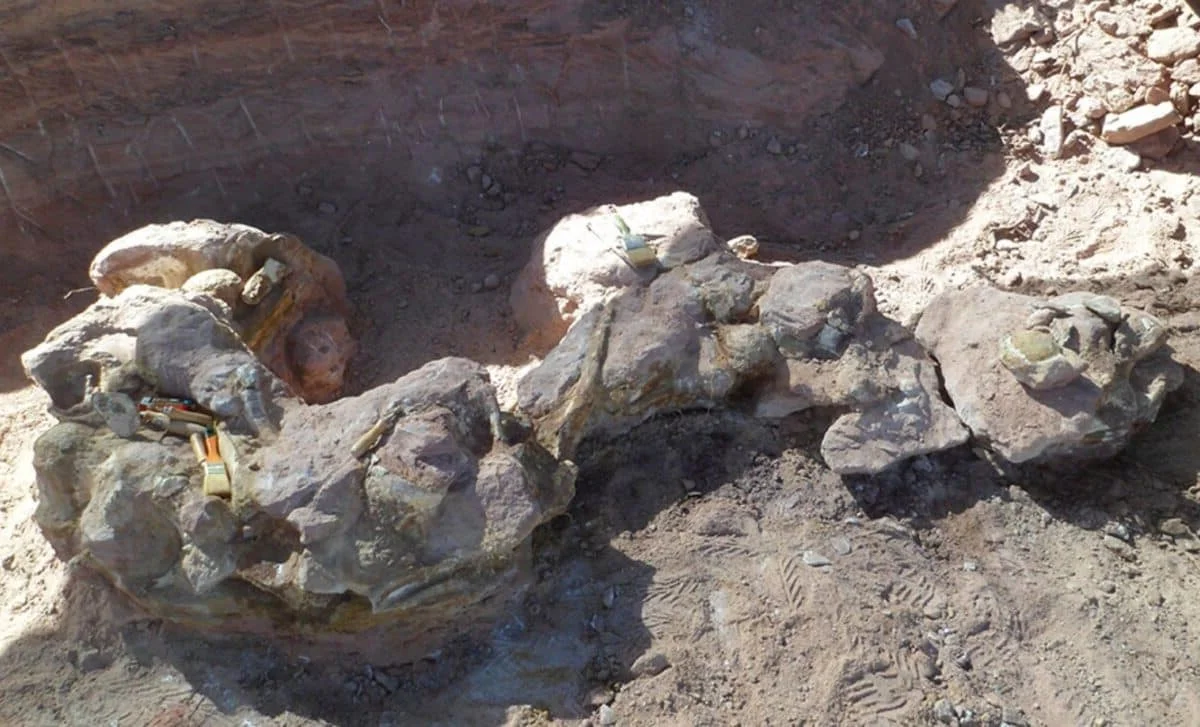
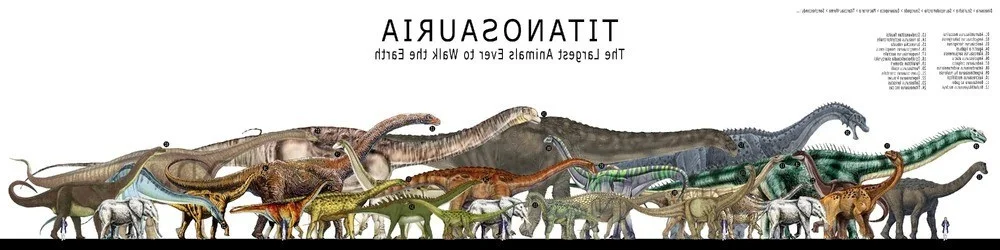
Paleontology enthusiasts and history buffs, prepare to be amazed by the latest breakthrough in prehistoric research. Scientists have officially identified a brand-new species of ancient giant: the Yeneen houssayi. This massive creature, belonging to the renowned Titanosauria family, is estimated to have weighed between 8 and 10 tons, making it a true heavyweight of the prehistoric world.The discovery of Yeneen houssayi provides a fascinating window into the diversity of life during the age of dinosaurs. Visual evidence from the excavation sites reveals the sheer scale of the fossilized remains, showcasing the incredible work of researchers who meticulously unearthed these ancient bones. As a long-necked herbivore, this Titanosaur would have dominated its landscape, roaming through lush environments that existed millions of years ago.
For those who love travel and exploration, these fossil find locations are becoming must-visit spots for understanding our planet's deep history. Whether you are interested in the intricate details of fossilization or the grand scale of dinosaur evolution, the Yeneen houssayi discovery is a testament to how much of Earth's past is still waiting to be uncovered. This find not only adds a new name to the prehistoric record but also helps scientists piece together the complex puzzle of the Titanosauria lineage. Stay tuned as more details emerge about this 10-ton marvel and what its existence tells us about the ancient ecosystems of our world.
#PrehistoricDiscovery , #YeneenHoussayi , #DinosaurFossils , #Titanosauria , #PaleontologyNews , #AncientHistory , #NaturalHistoryMuseum , #DinosaurDiscovery
Phong Le
2026-02-20 13:50:10.683153
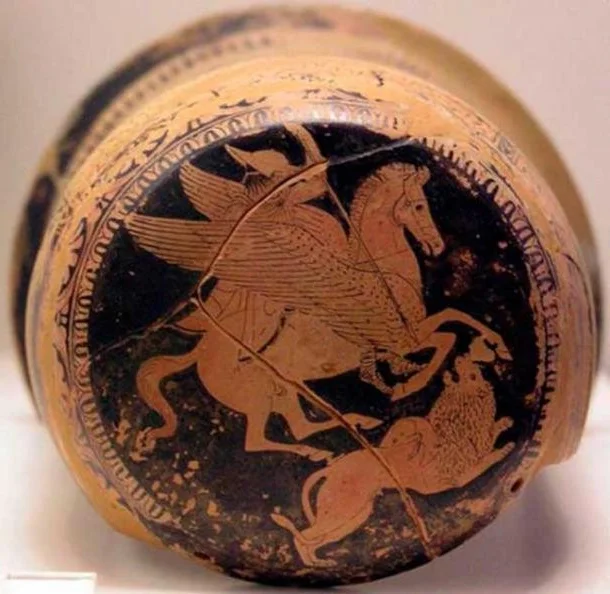
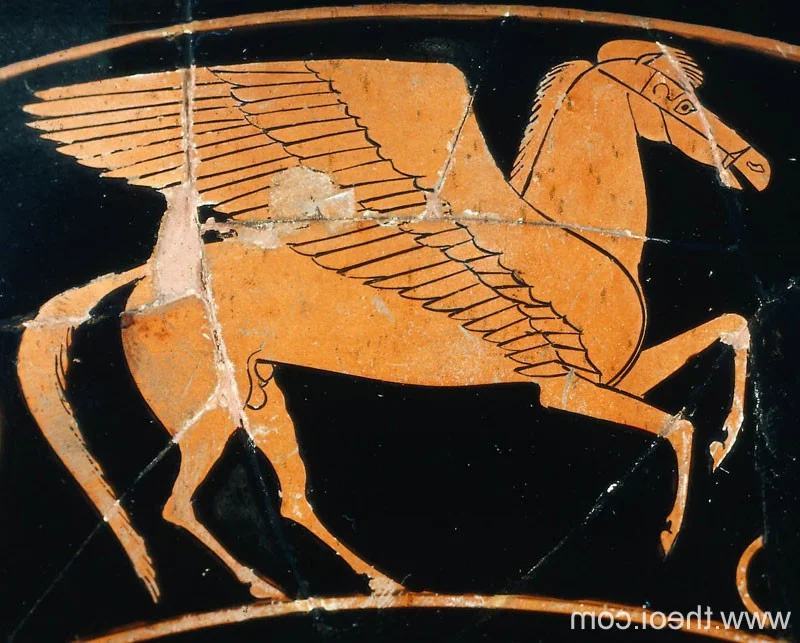
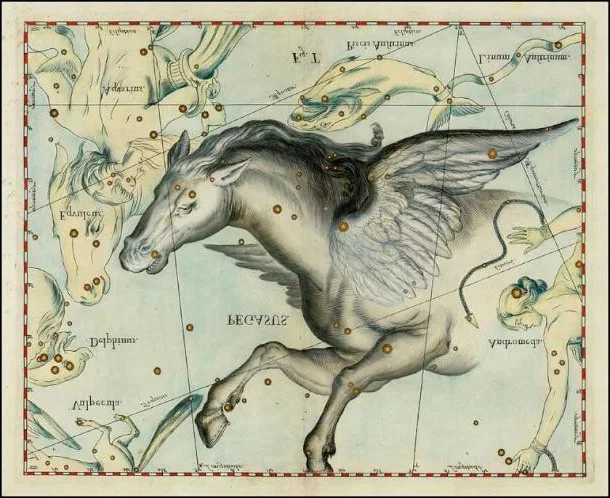
The Legend of Pegasus: Exploring the Majestic Winged Horse of Greek Mythology and Its Timeless Cultural Symbolism in Western Art and History
Step into the enchanting realm of Greek mythology with the legendary Pegasus, the divine winged stallion that has captured human imagination for centuries. Traditionally depicted as a pure white horse with magnificent eagle-like wings, Pegasus is more than just a creature of fantasy; he is a symbol of poetic inspiration and untamed freedom. Born from the blood of Medusa and sired by Poseidon, this celestial being is most famously known for his association with the hero Bellerophon. Together, they soared through the skies to defeat the fire-breathing Chimera, marking one of the most epic tales in ancient folklore.For travelers exploring the Mediterranean or art enthusiasts visiting world-class museums in Europe and the US, the image of Pegasus is a recurring motif that bridges the gap between history and art. From ancient pottery and Renaissance paintings to modern-day sculptures, the grace of the winged horse remains a powerful icon of the soul's weightless journey toward the heavens. Whether you are a student of history or a fan of fantasy literature, understanding the myth of Pegasus offers a deeper appreciation for the roots of Western storytelling. This visual exploration highlights the intricate details of his majestic form, reminding us why the Pegasus legend continues to thrive in popular culture today. Experience the magic of the stars and the power of the gods through this timeless mythological masterpiece and discover the enduring legacy of the world's most famous winged horse.
#GreekMythology , #PegasusLegend , #AncientHistory , #MythicalCreatures , #WingedHorse , #ArtHistory , #FantasyArt , #WesternCulture


Randy
2026-02-20 12:54:19.572067
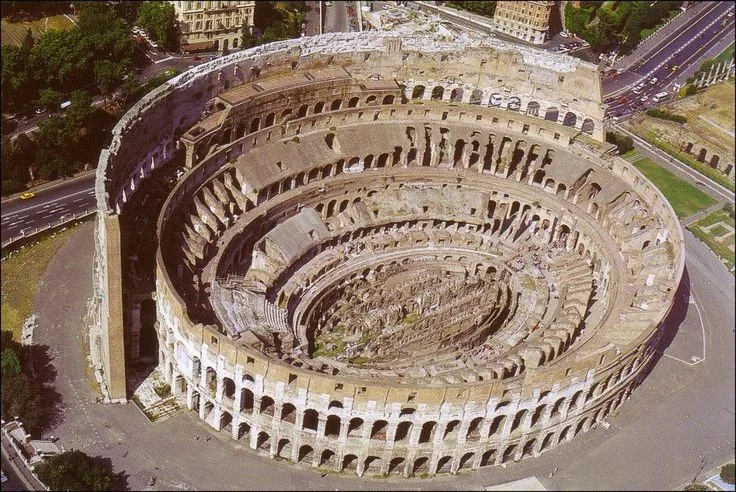
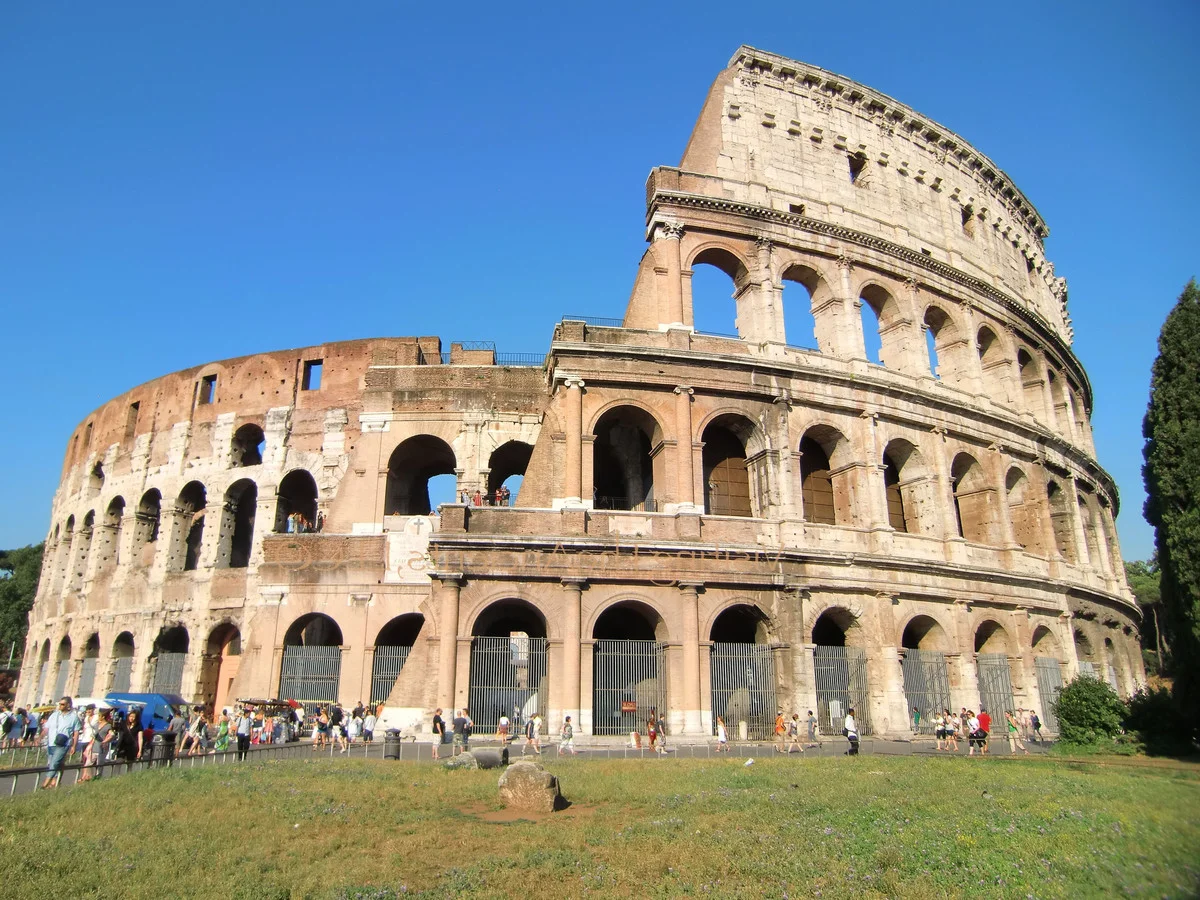
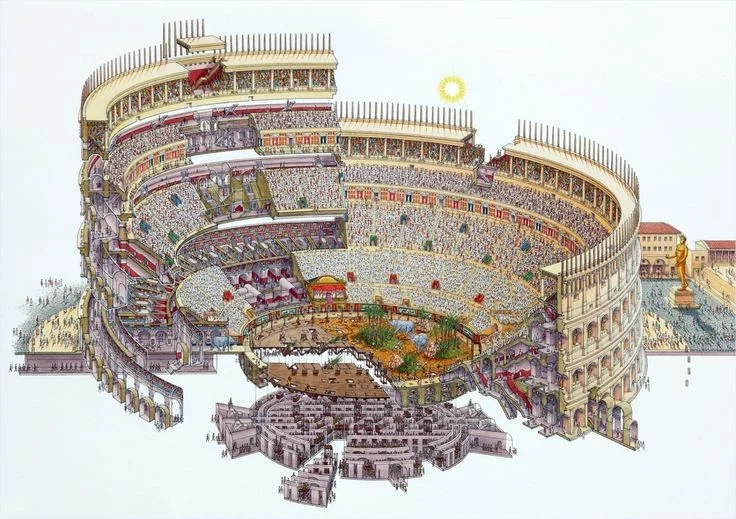
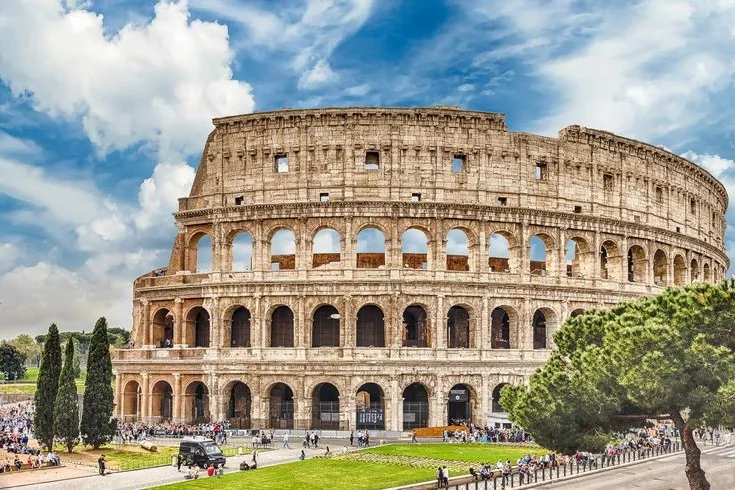
Secrets of the Roman Colosseum: Fascinating Historical Facts and Architecture of Italy’s Most Iconic Landmark in Rome
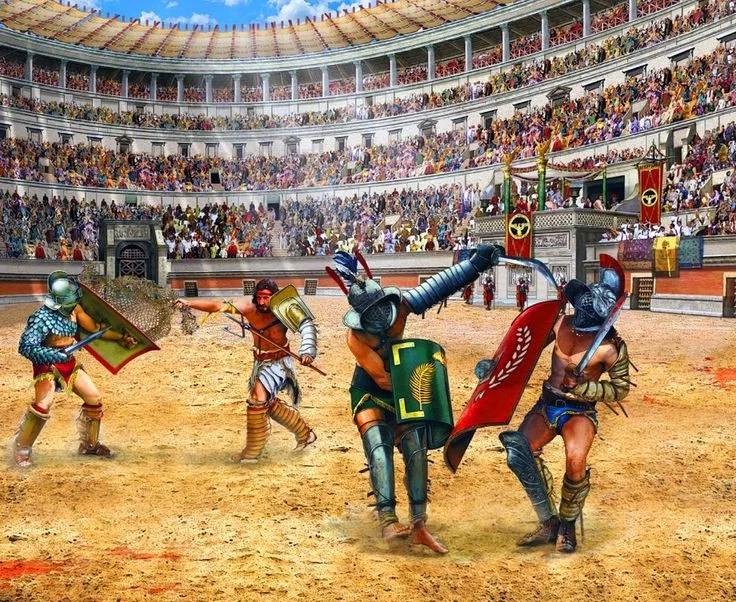
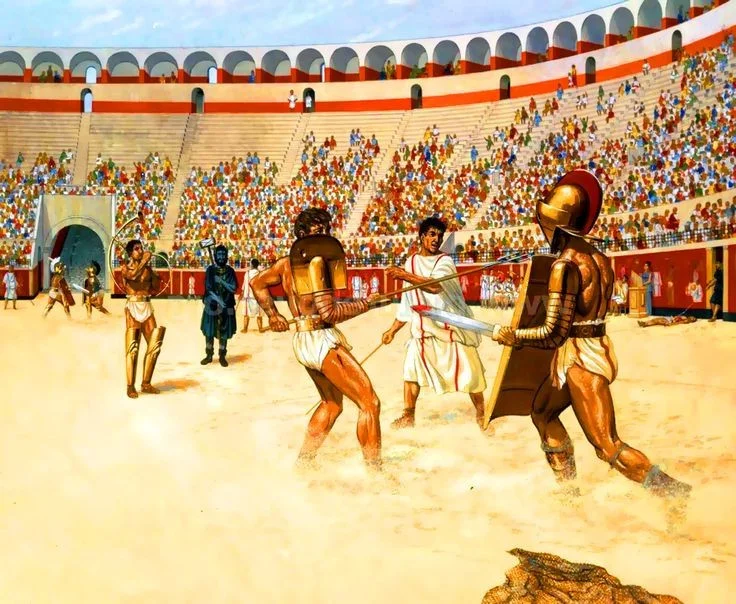
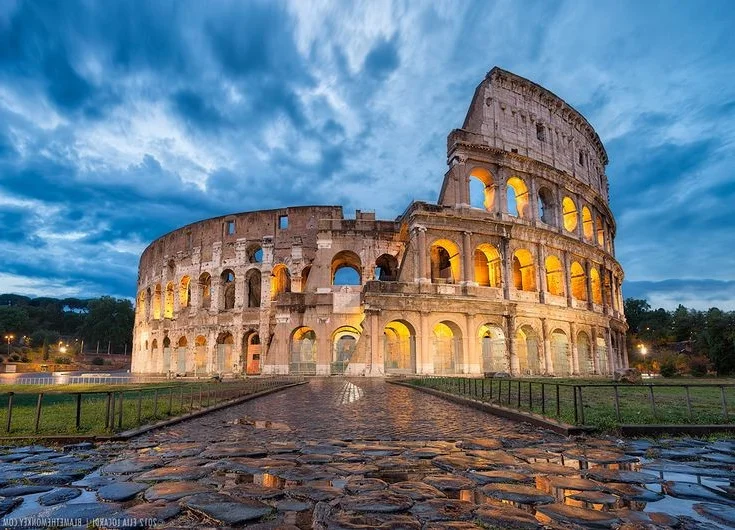
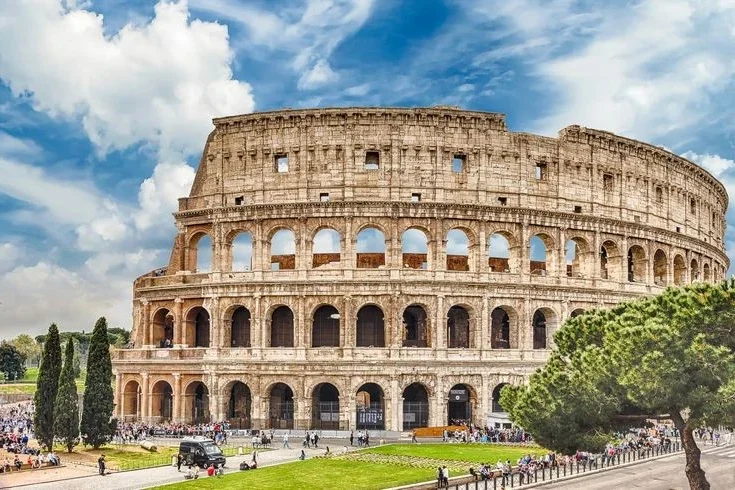
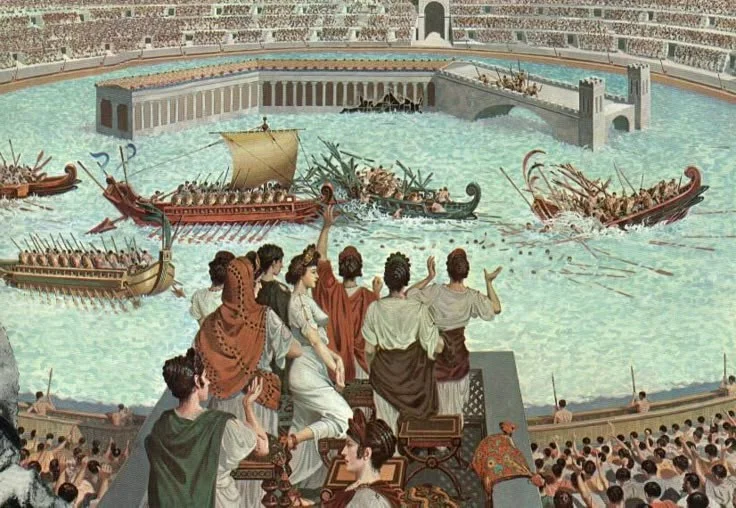
Step into the heart of ancient Rome and discover the breathtaking majesty of the Colosseum, a true marvel of engineering and history. Known officially as the Flavian Amphitheatre, this iconic structure stands as a testament to the grandeur of the Roman Empire. While many recognize its towering arches, there are countless hidden secrets beneath its stone floors that continue to fascinate travelers and historians alike.Imagine the roar of 50,000 spectators as gladiators faced off in the arena. Beyond the combat, did you know the Colosseum was once flooded to stage elaborate mock naval battles? The sophisticated hypogeum, or underground tunnel system, allowed for complex stage effects, bringing wild animals and scenery to life in an instant. Today, walking through these ruins offers a profound connection to the past, making it a must-visit destination for any European travel bucket list.
Whether you are an architecture enthusiast admiring the travertine limestone and tuff construction or a history buff eager to learn about the cultural impact of ancient games, the Colosseum never fails to inspire. Its enduring legacy as a symbol of Rome makes it one of the most photographed and beloved sites in the world. Plan your next Italian adventure to witness this UNESCO World Heritage site in person and experience the echoes of history firsthand. This exploration of the Colosseum captures the essence of Roman power and the artistic brilliance of an era that shaped modern civilization.
#RomanColosseum , #RomeTravelGuide , #VisitItaly , #AncientHistory , #ArchitecturalWonders , #ColosseumSecrets , #ItalyTrip , #HistoricalLandmarks
evlyn
2026-02-19 10:41:29.575439
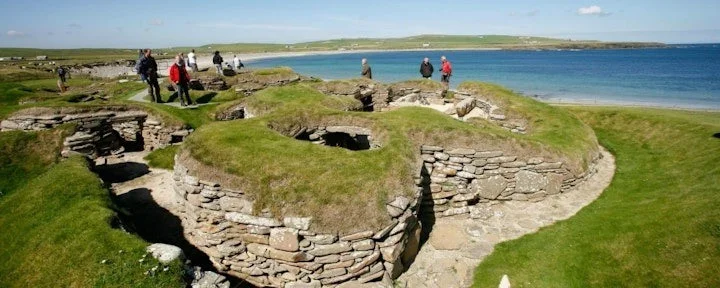
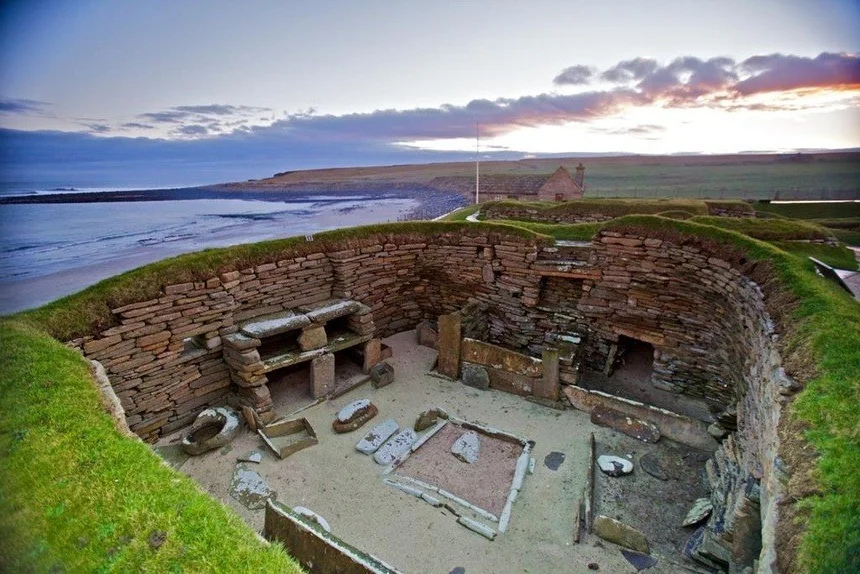
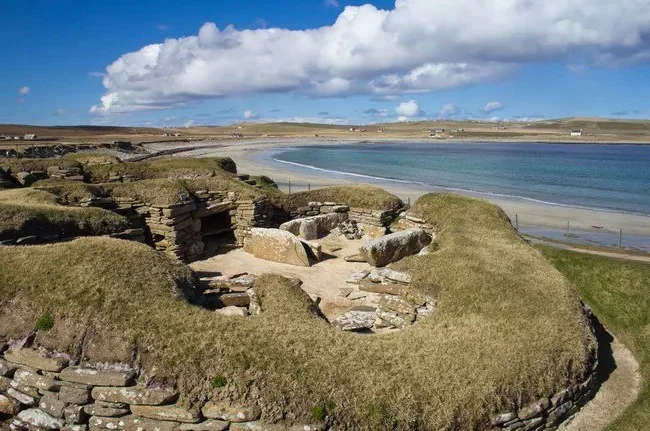
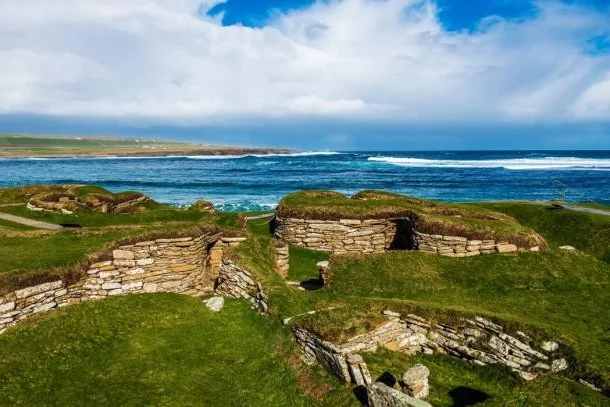
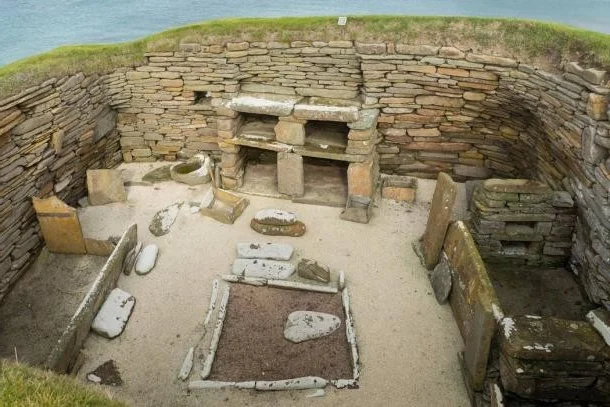
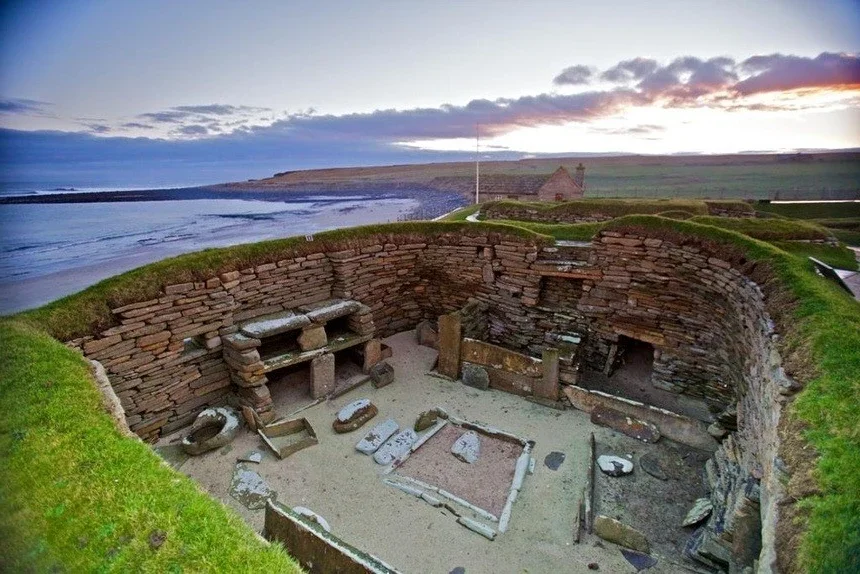
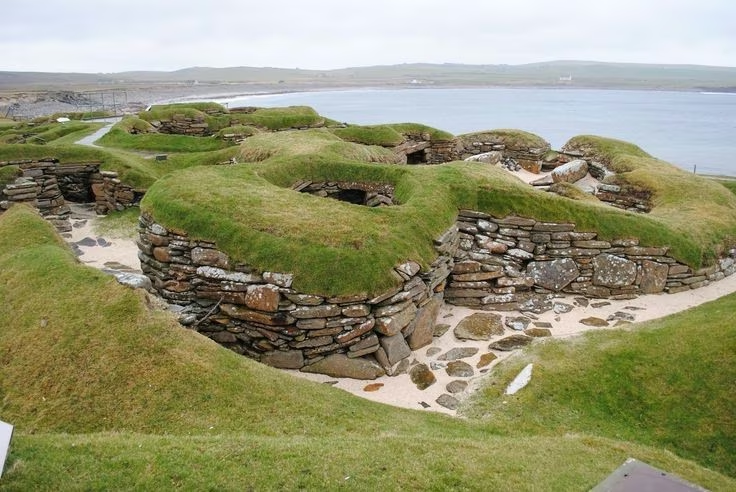
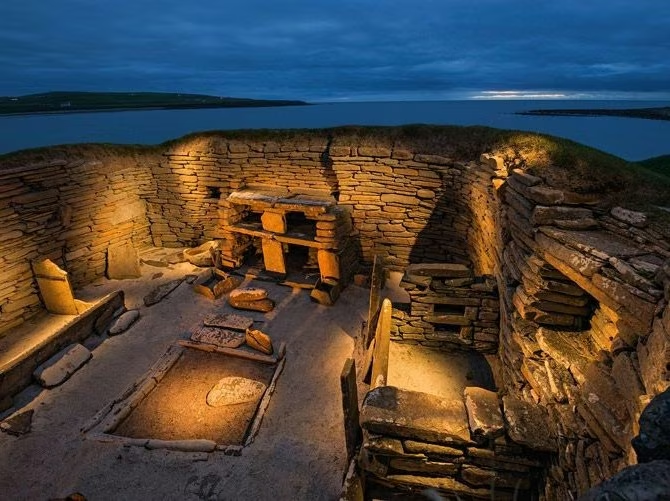
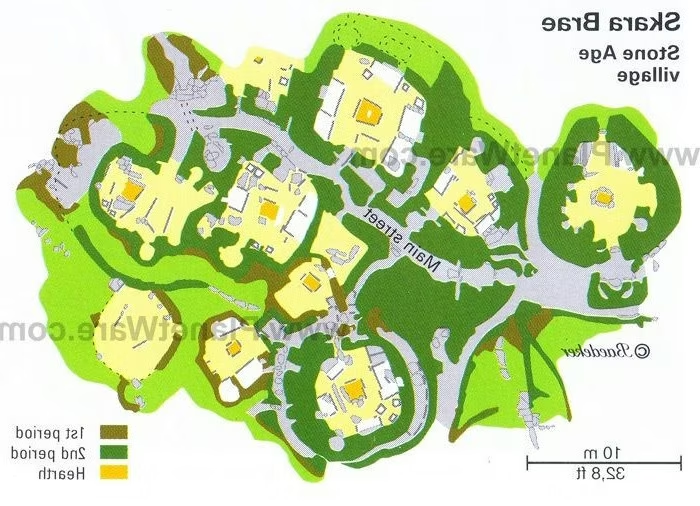
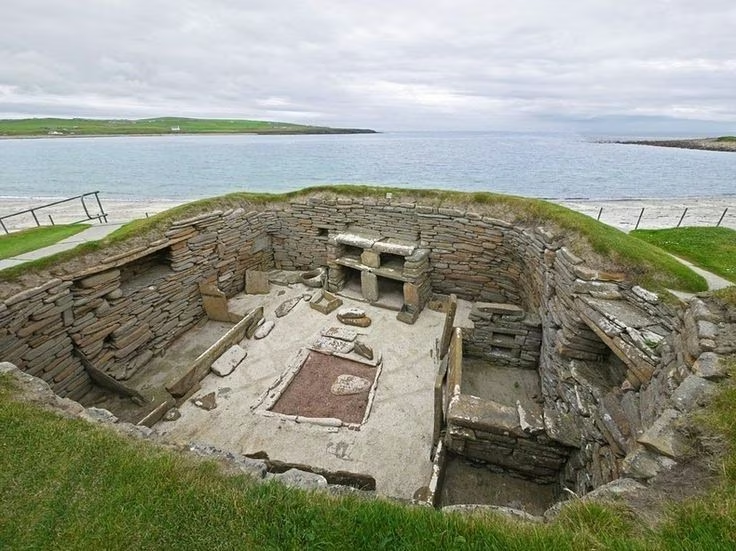
Exploring Skara Brae: Discover the 5,000-Year-Old Neolithic Village in Scotland’s Orkney Islands, Often Called the Pompeii of the North
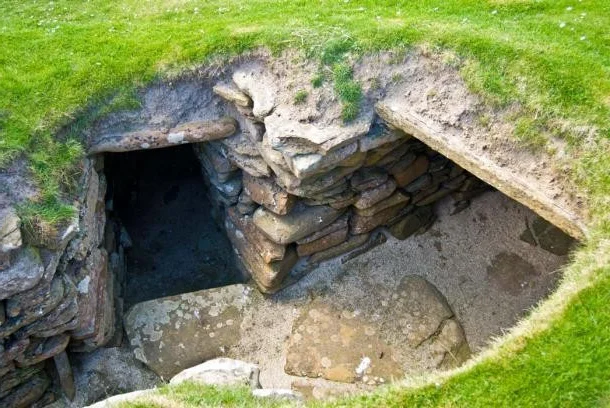
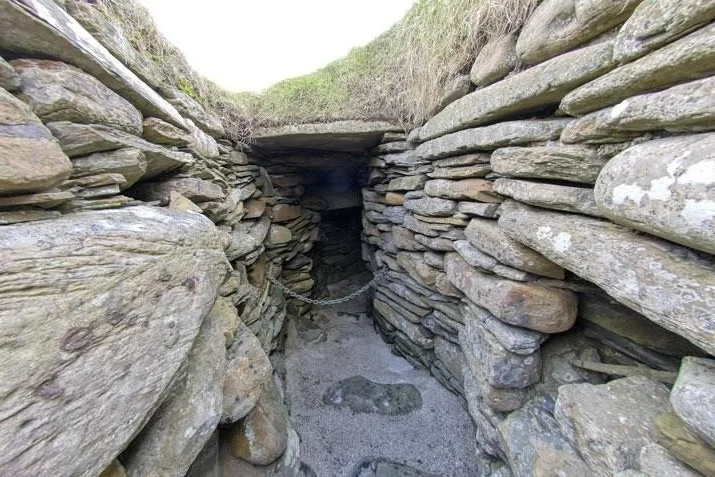
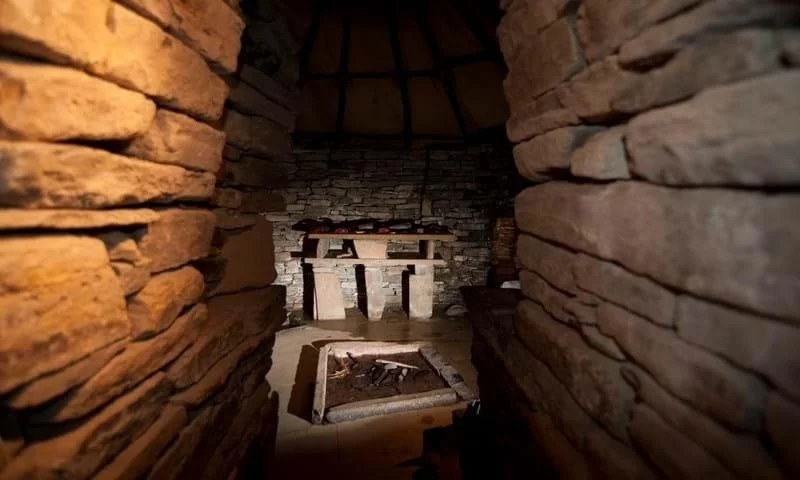
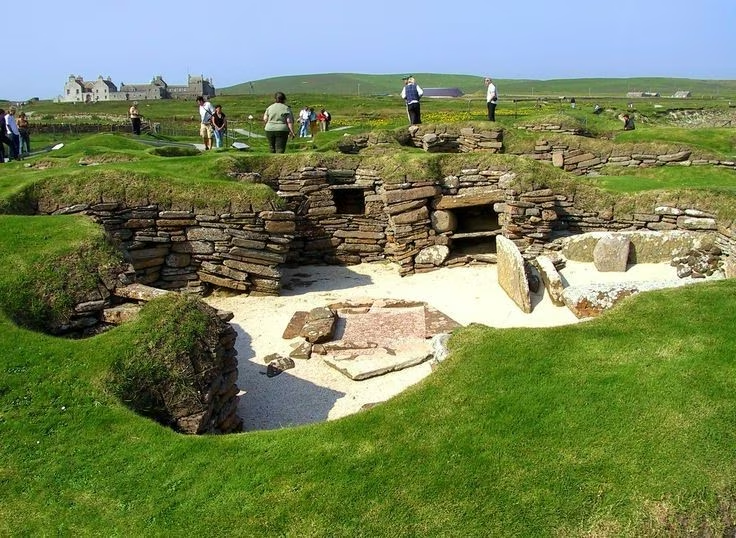
Step back in time to Skara Brae, an extraordinary Neolithic settlement nestled on the Bay of Skaill in Scotland’s Orkney Islands. Dating back over 5,000 years, this remarkably preserved site is older than the Great Pyramids and Stonehenge, earning it the nickname "The Pompeii of Scotland." Unlike many ancient ruins where only foundations remain, Skara Brae offers a hauntingly intimate glimpse into prehistoric life.Walking through this UNESCO World Heritage site, you’ll see ancient stone dwellings connected by low-roofed passages. What makes Skara Brae truly unique is the stone-built furniture found within the homes—beds, dressers, and even cupboards that have survived the millennia. Originally buried by sand for centuries, the site was revealed by a fierce storm in 1850, uncovering a world frozen in time.
For history enthusiasts and travel lovers, a visit to this archaeological wonder is a bucket-list experience. The rugged coastal backdrop of the Orkneys adds to the mystical atmosphere, making it a photographer’s dream. Whether you are exploring the Ring of Brodgar or the Maeshowe chambered cairn nearby, Skara Brae remains the crown jewel of the Heart of Neolithic Orkney. Discover the secrets of our ancestors and marvel at the ingenuity of these early builders who created a thriving community long before the modern era. It’s more than just a ruin; it’s a portal to the past that continues to captivate visitors from around the globe.
#SkaraBrae , #OrkneyIslands , #ScotlandTravel , #NeolithicVillage , #AncientHistory , #ArchaeologyLovers , #UNESCOWorldHeritage , #PompeiiOfScotland
Lonnie McElwee
2026-02-16 21:15:20.980651
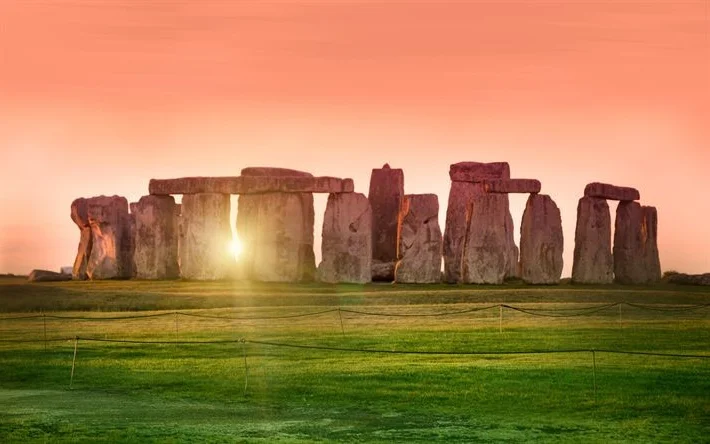
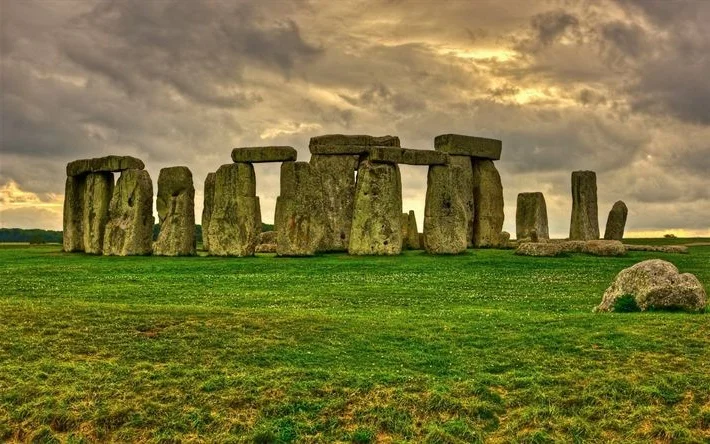
Unveiling the Mysteries of Stonehenge: A Guide to England's Iconic Prehistoric Monument and Ancient Stone Circle Wonders
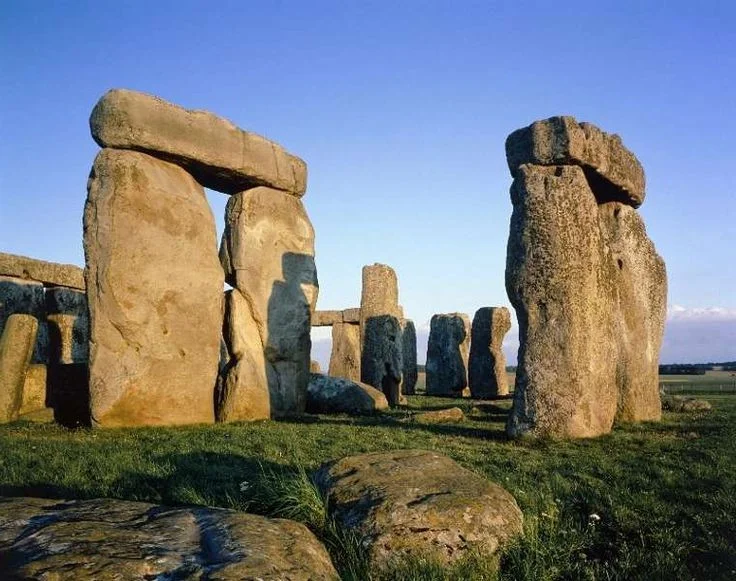
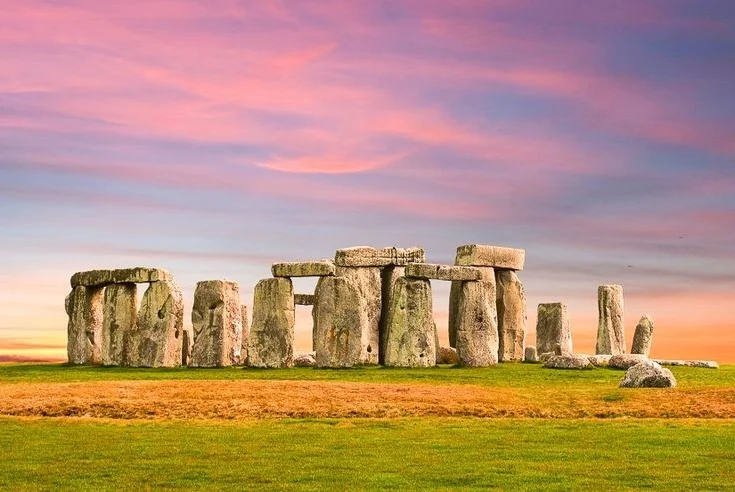
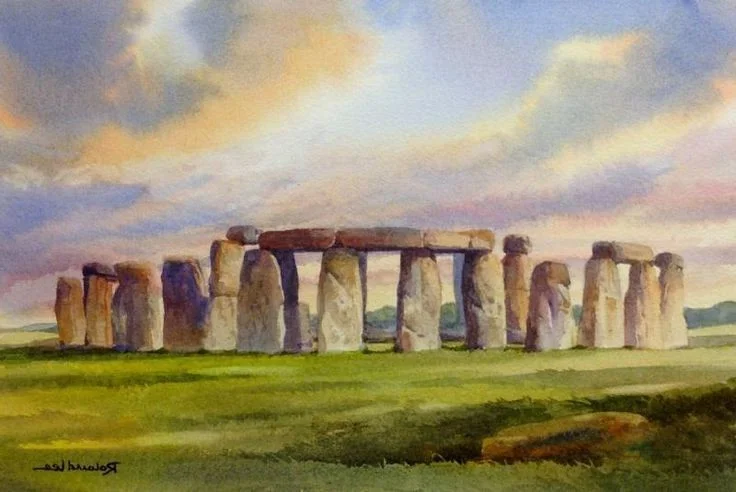
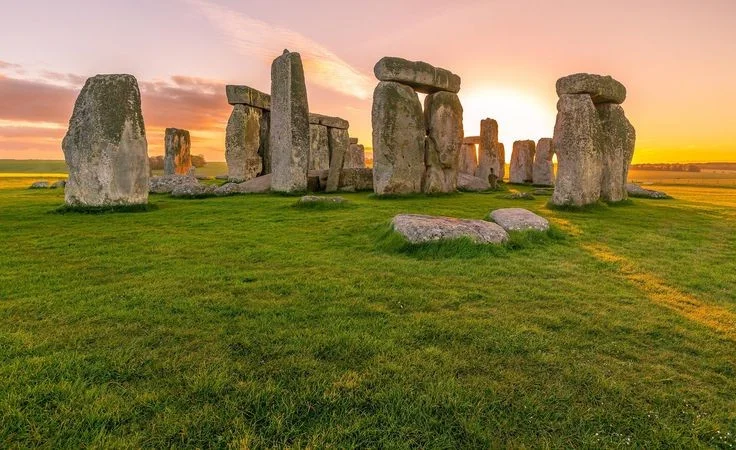
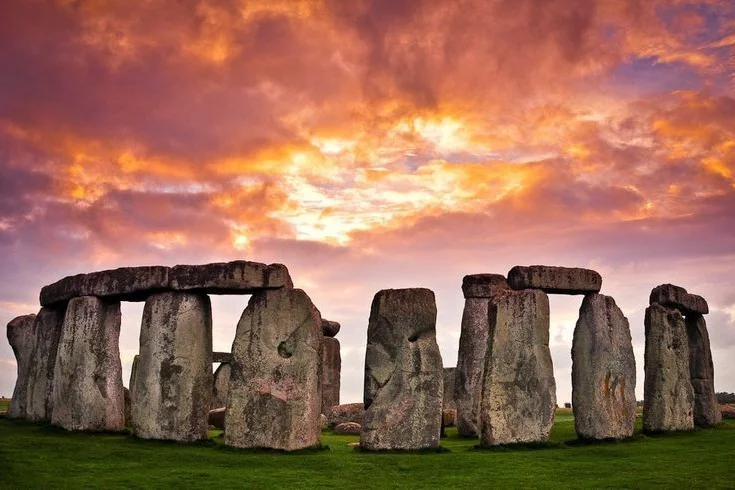
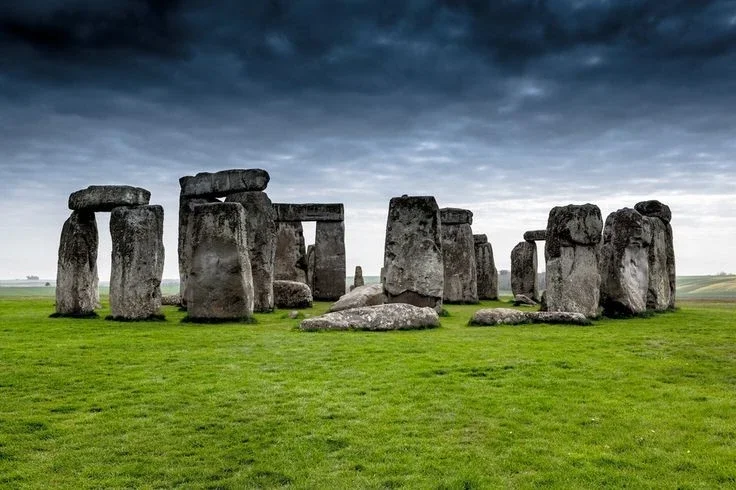
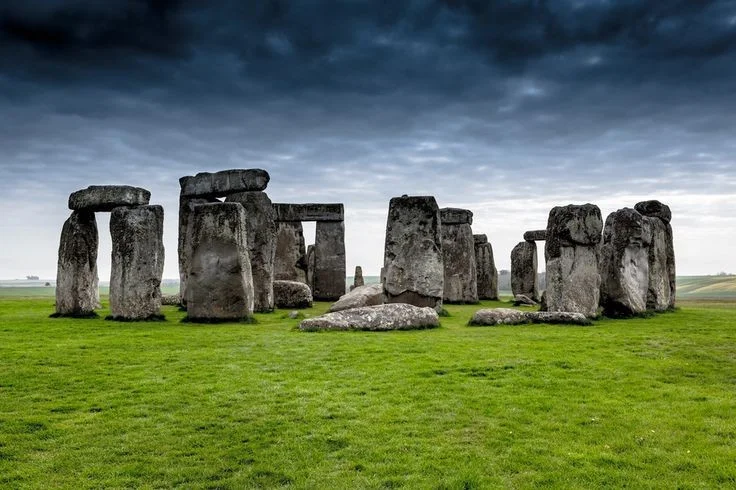
Standing majestically amidst the windswept Salisbury Plain, Stonehenge remains one of the world's most captivating archaeological enigmas. This prehistoric monument, consisting of massive sarsen stones and smaller bluestones, continues to baffle historians and travelers alike. Whether you are a history buff or a spiritual seeker, the sight of these towering megaliths silhouetted against the English sky is a bucket-list experience that transcends time. Recent research into the site suggests it served multiple purposes throughout the Neolithic and Bronze Age. From a sophisticated astronomical observatory aligned with the summer and winter solstices to a sacred burial ground and a place of ritual healing, the theories are as vast as the landscape itself.Visitors are often struck by the sheer engineering prowess required to transport these heavy stones over hundreds of miles without modern technology. Exploring Stonehenge offers a unique glimpse into the lives of our ancient ancestors, their complex beliefs, and their profound connection to the cosmos. As a UNESCO World Heritage site, it stands as a testament to human ingenuity and communal effort. When planning your trip to the United Kingdom, witnessing the golden hour at this ancient site provides a sense of wonder that few other locations can match. Dive deep into the legends of the Druids, the precise alignment of the stars, and the enduring legacy of this prehistoric masterpiece. This destination is essential for anyone interested in the roots of human civilization and the enduring power of ancient architecture.
#StonehengeMysteries , #AncientHistory , #VisitEngland , #ArchaeologyLovers , #TravelPhotography , #WorldHeritageSite , #MysticalPlaces , #PrehistoricWonders
tremica
2026-02-16 20:57:23.680352
Ancient Secrets of New Guinea: How Humans Raised the World's Most Dangerous Giant Bird 18,000 Years Ago
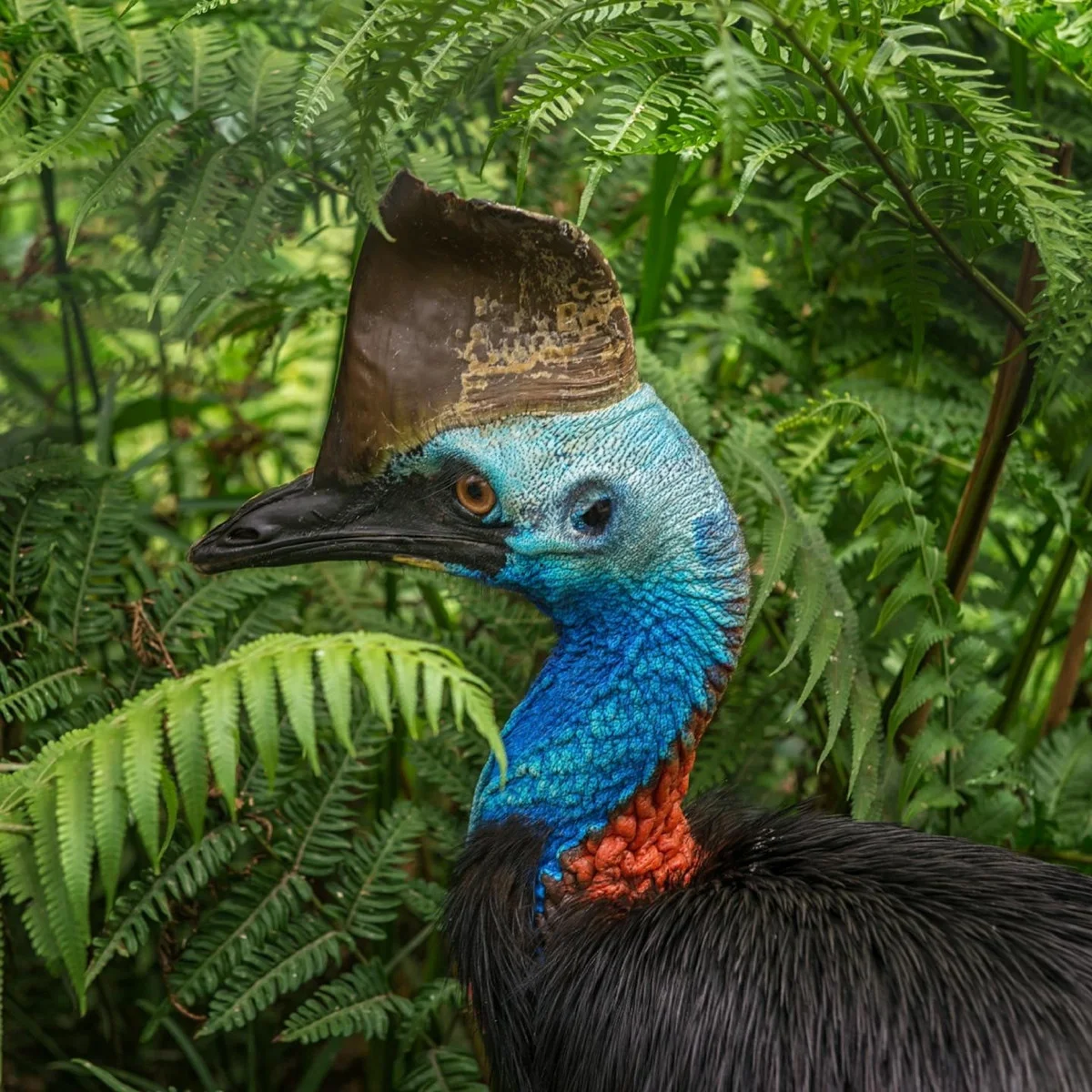
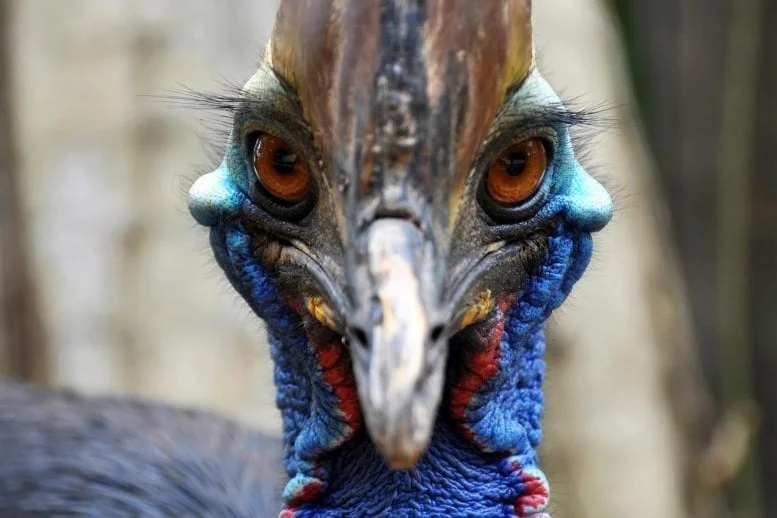
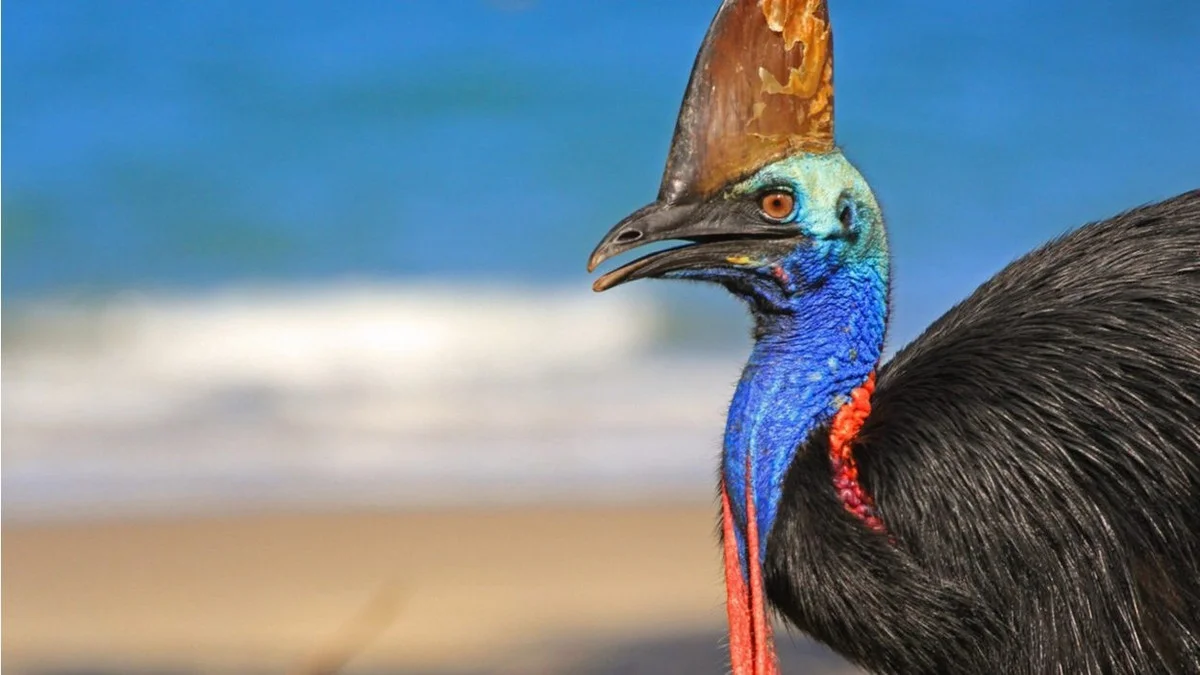
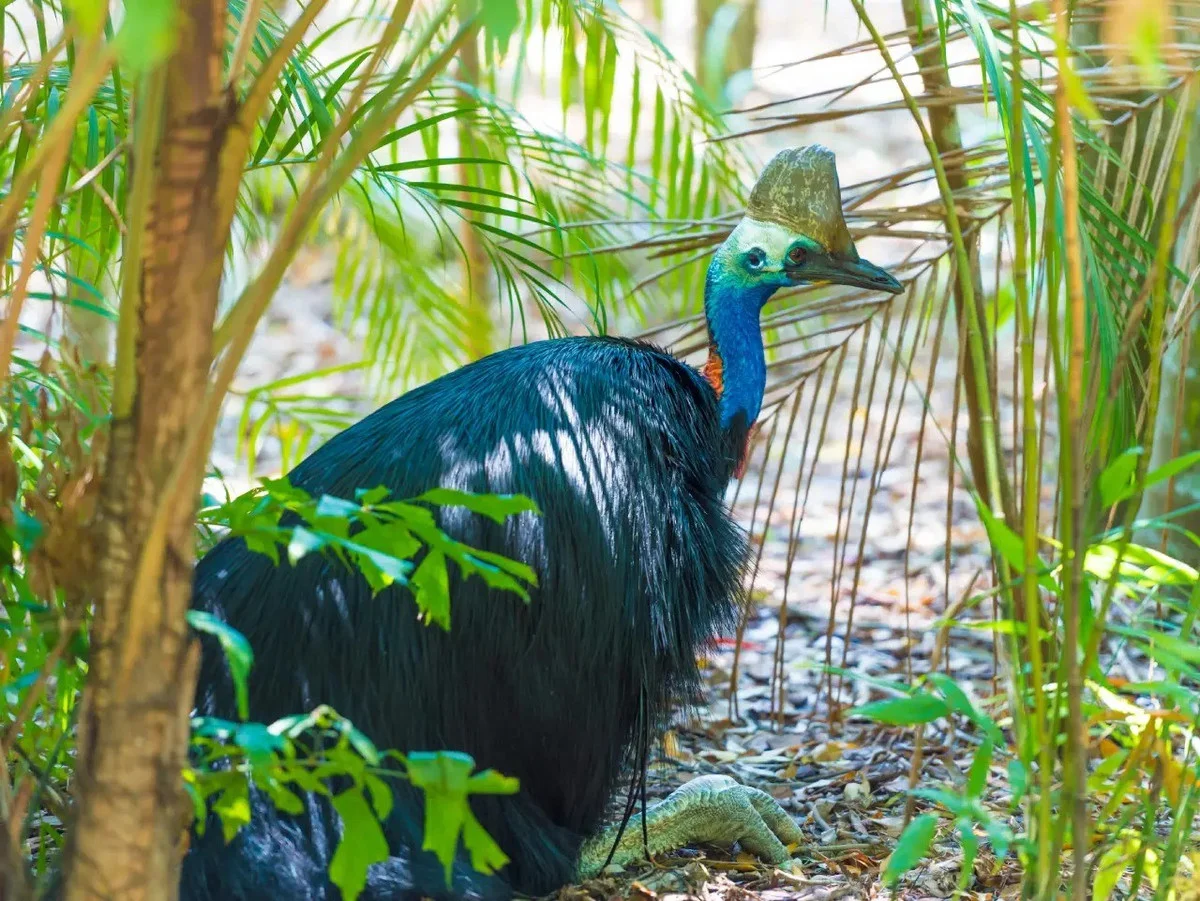
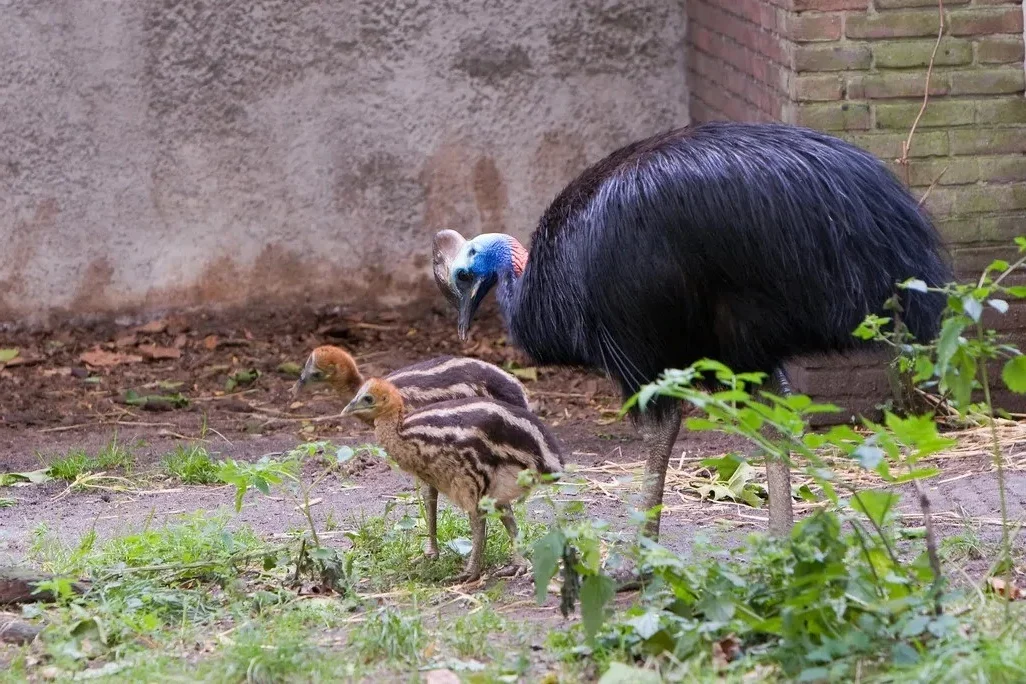
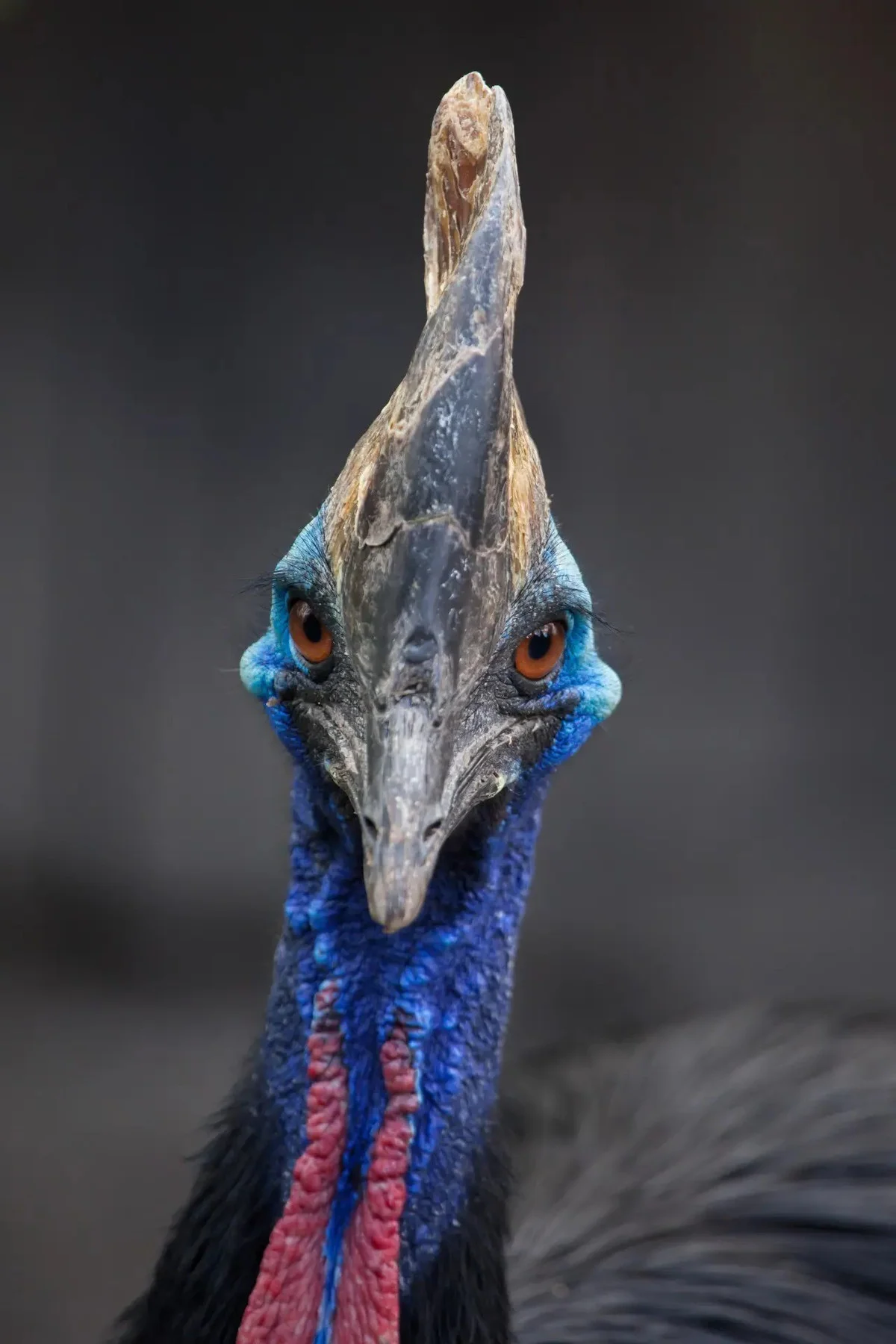
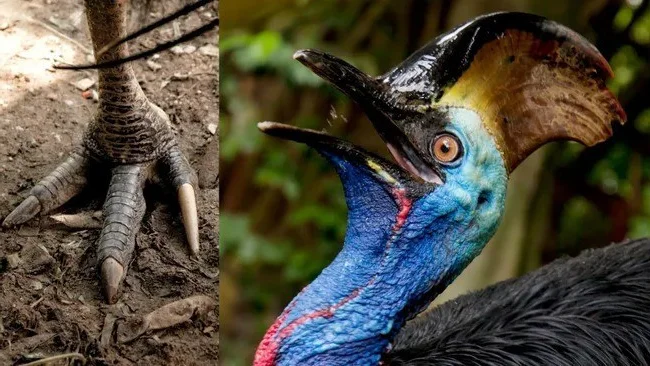
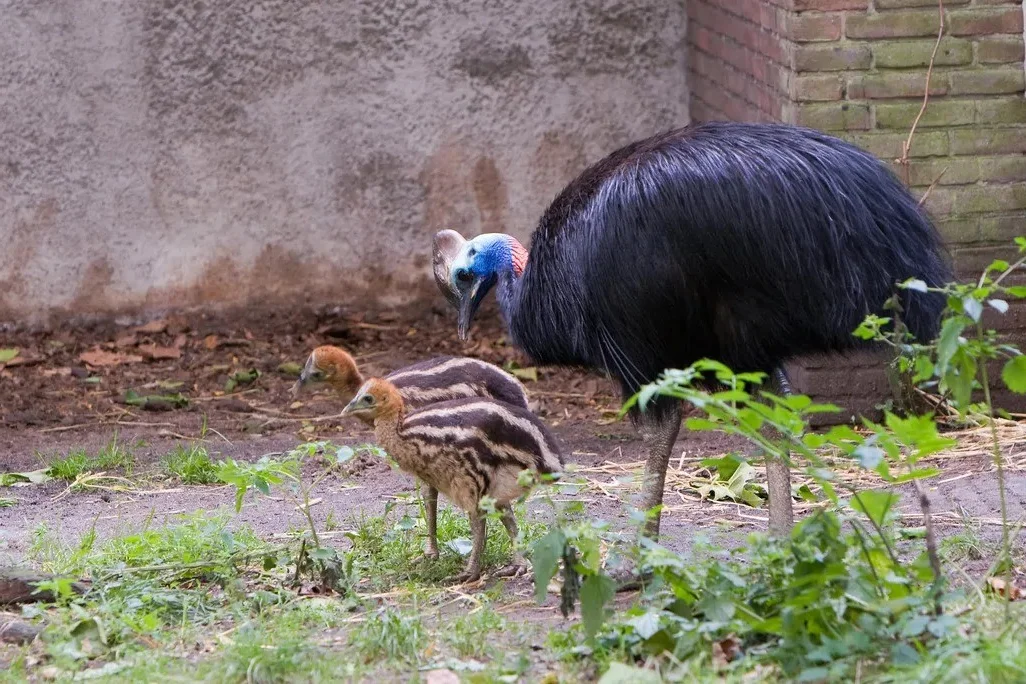
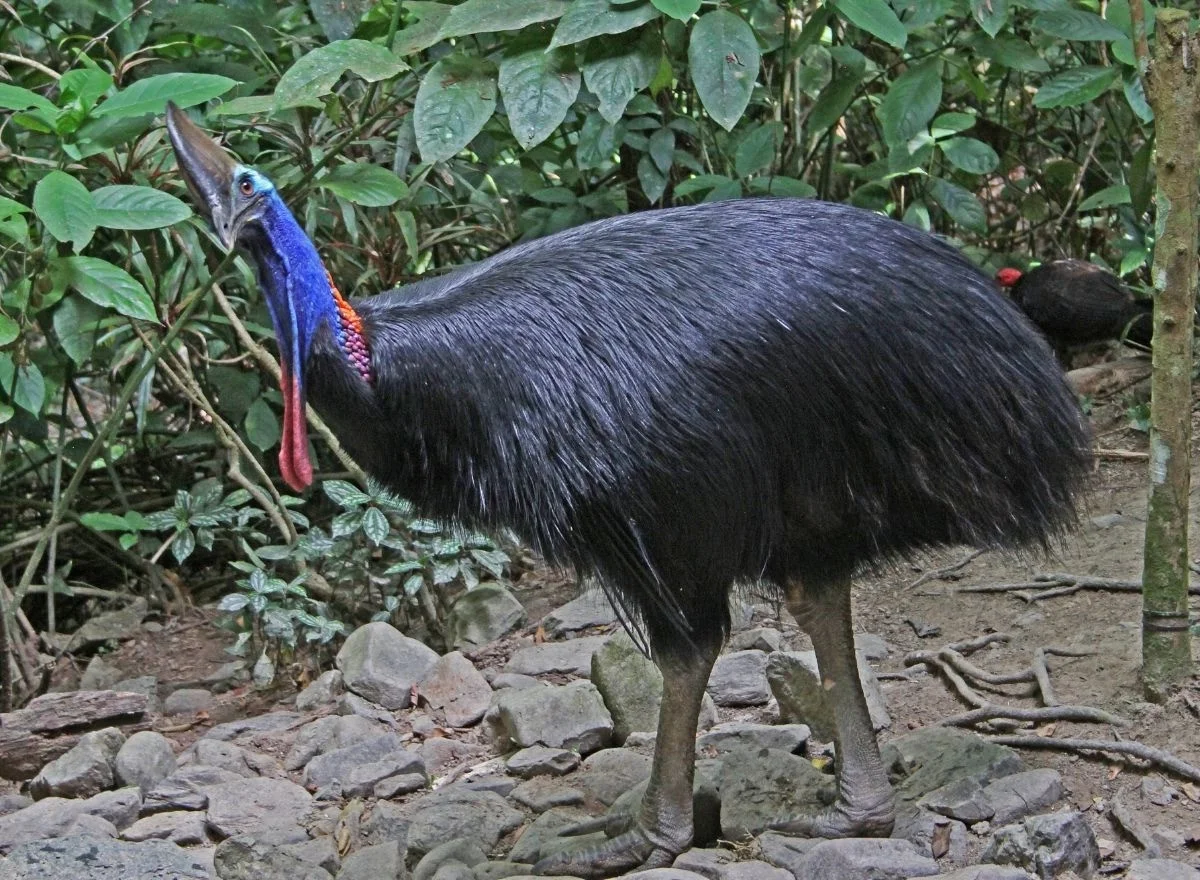
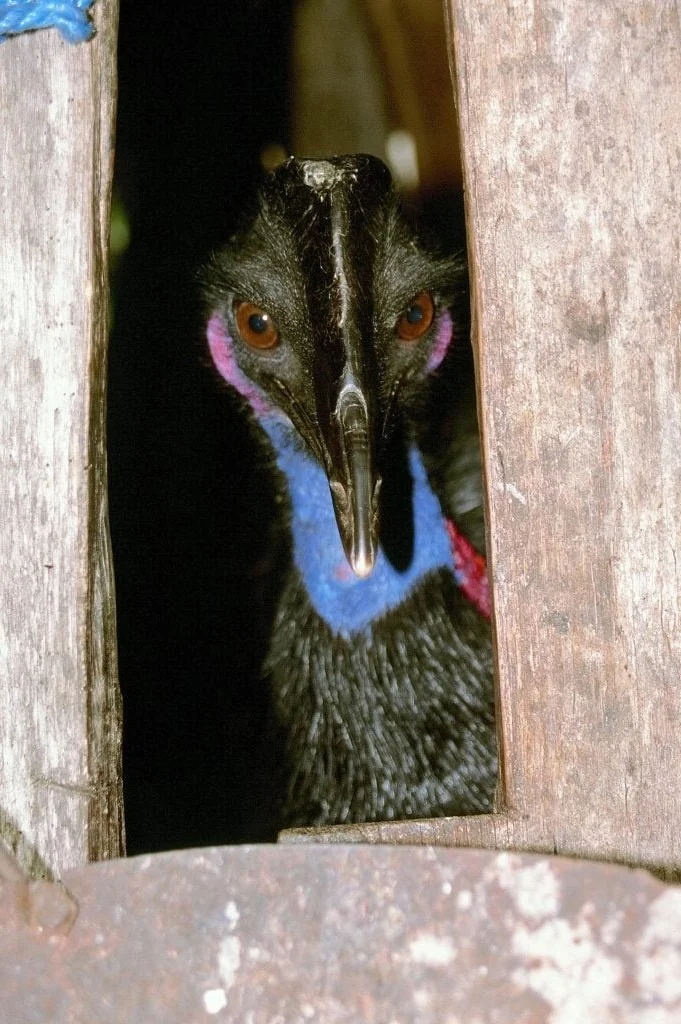
Step back in time to the dense rainforests of ancient New Guinea, where a fascinating and terrifying secret has recently been unearthed by archaeologists. Long before the domestication of chickens, early humans were already mastering the art of avian husbandry with one of nature’s most formidable creatures: the Cassowary. Often referred to as the 'world's most dangerous bird,' the Cassowary is a living relic of the prehistoric era, known for its striking blue plumage, sharp talons, and a powerful, helmet-like casque atop its head.New research suggests that approximately 18,000 years ago, ancient communities were collecting Cassowary eggs and hatching them to raise these giant birds. This incredible discovery positions the Cassowary as perhaps the earliest example of bird domestication in human history. Imagine the bravery required to manage a creature capable of such aggression and power! These birds, which share a striking resemblance to their dinosaur ancestors, played a vital role in the cultural and survival practices of early New Guinea settlers.
For history buffs and wildlife enthusiasts, this story offers a unique glimpse into the complex relationship between humans and the natural world. From the vibrant colors of the bird’s neck to the rugged terrain of the Pacific islands, the visual history of the Cassowary is as captivating as it is intense. Whether you are exploring the depths of evolutionary biology or seeking inspiration for your next travel adventure to the tropics, the legacy of the giant bird continues to stun and amaze.
#AncientHistory , #CassowaryBird , #NewGuinea , #PrehistoricWildlife , #ArchaeologyDiscoveries , #GiantBirds , #WildlifeHistory , #NatureTravel

Ali Sadiqin
2026-01-26 12:57:26.165616
Step Back in Time: Discovering Camulodunum, the First Roman Capital of Britain
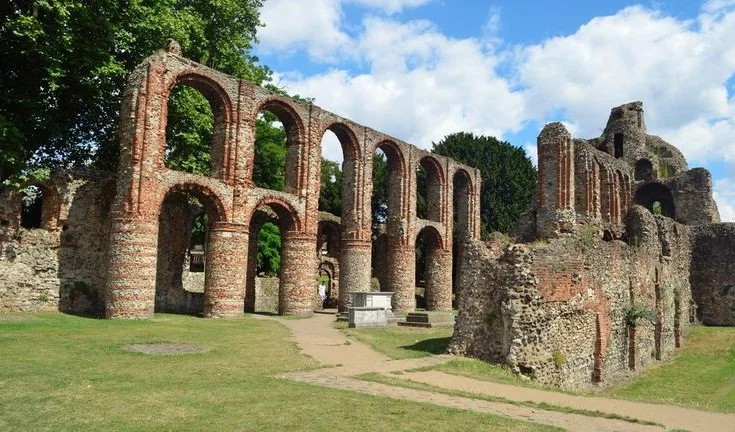
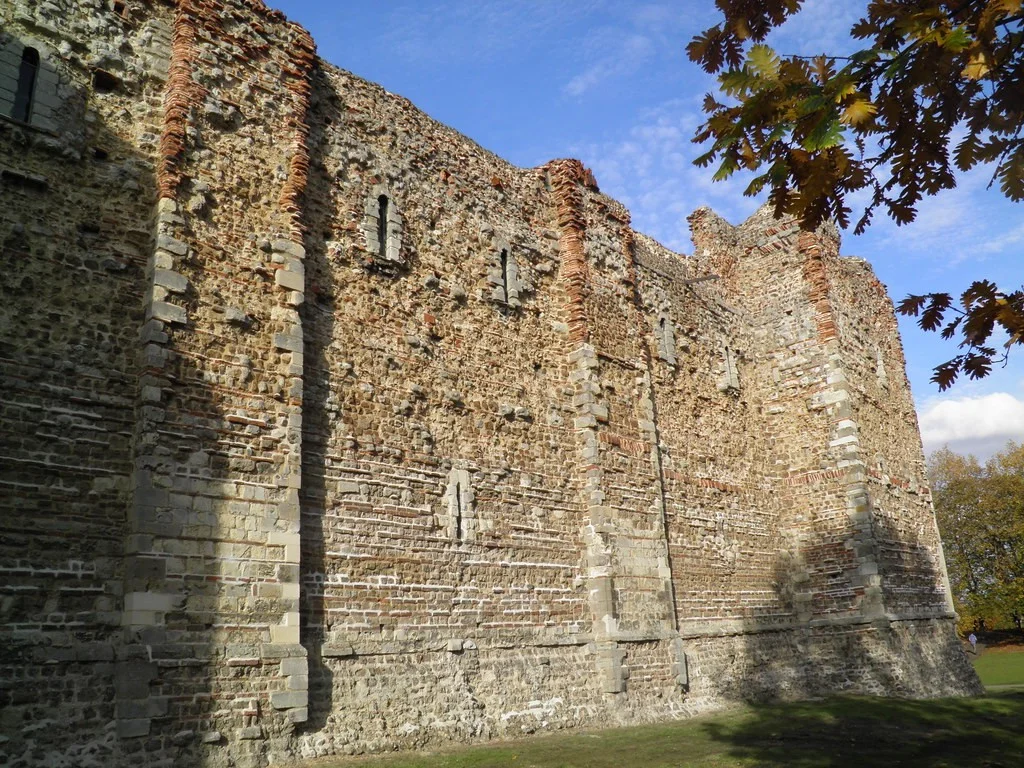
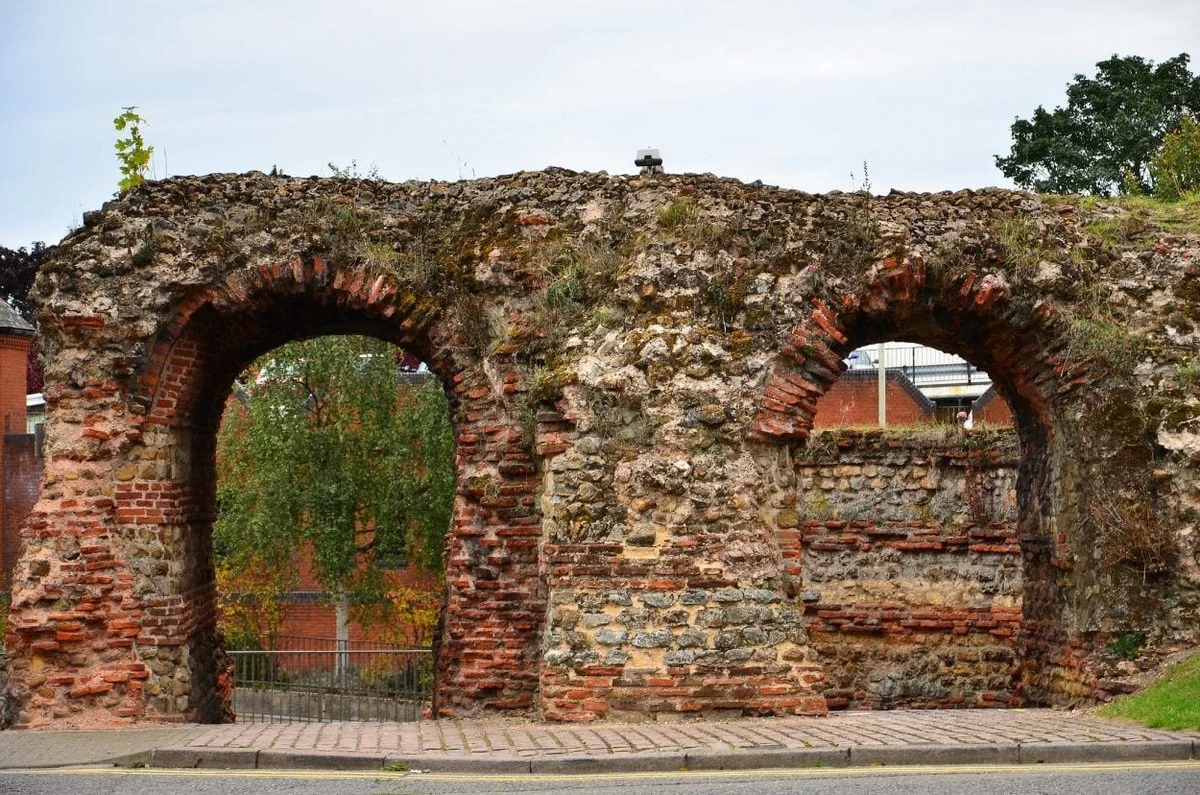
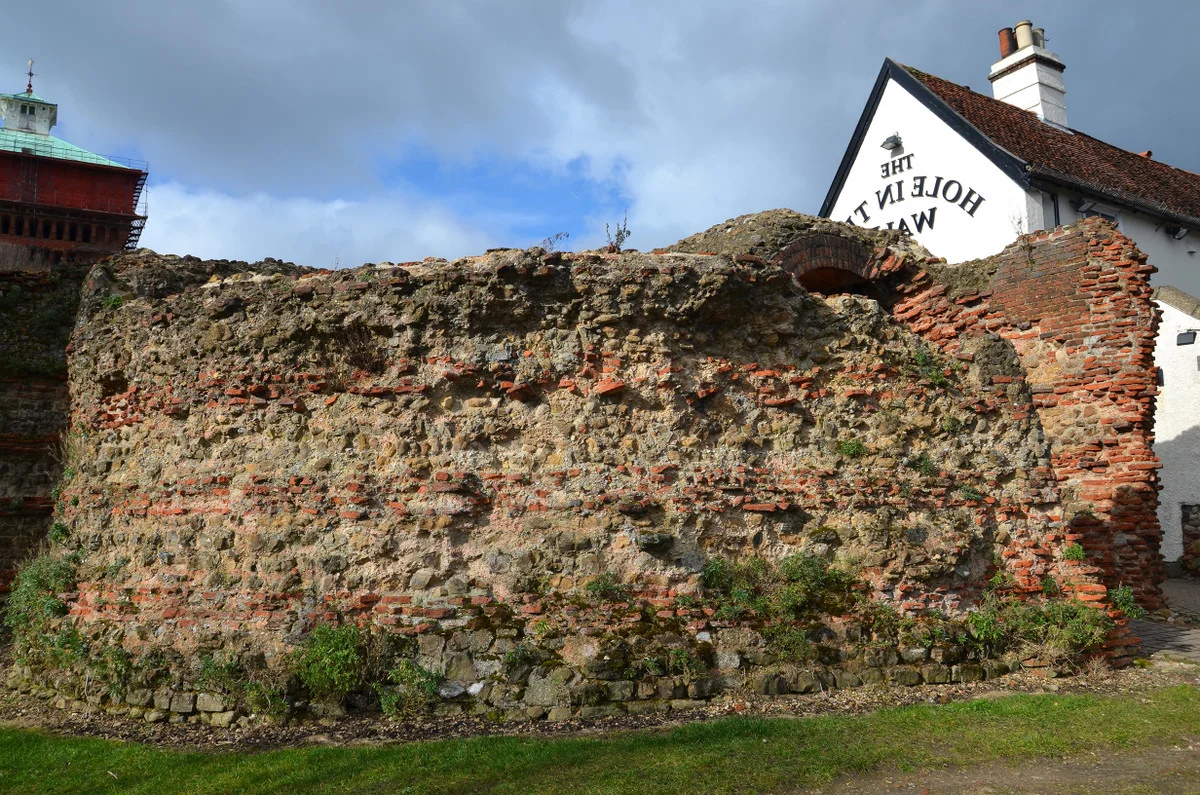
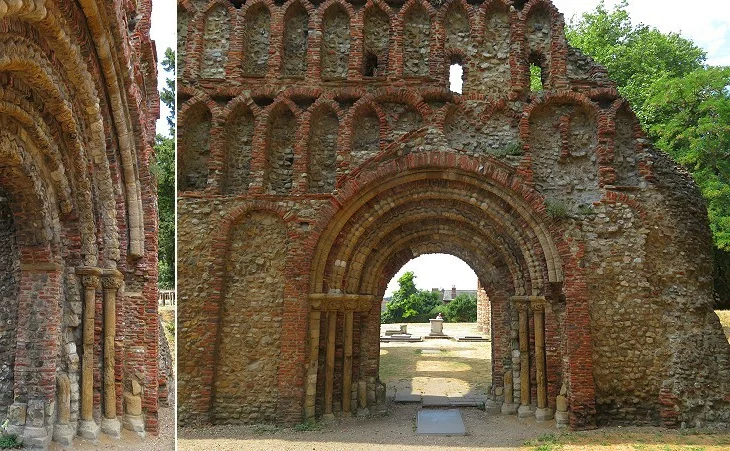
Long before London claimed its crown, Camulodunum—modern-day Colchester—stood as the grand first capital of Roman Britain. As you stand before the Balkerne Gate, the largest surviving Roman gateway in the UK, you can almost hear the rhythmic march of legionnaires and the bustling trade of a colonial superpower. This is where the story of Roman Britain truly began, a place where ancient stones whisper tales of ambition, conquest, and transformation.Founded as a legionary fortress following the invasion in 43 AD, Camulodunum evolved into a prestigious 'Colonia,' a retirement home for veterans of the Roman army. The city was a beacon of Romanitas, featuring the monumental Temple of Claudius, sophisticated villas, and an impressive theater. However, its grandeur made it a target. In 60 AD, the legendary Queen Boudica of the Iceni led a fierce rebellion that reduced the city to ashes, an event still visible today in the 'red layer' of burnt debris found by archaeologists beneath the modern streets.
Walking the Roman walls today is a poetic experience for any traveler. The weathered textures of Septaria and Roman brick create a stunning visual palette, perfect for those who find beauty in the intersection of history and nature. For the modern wanderer, Colchester offers more than just ruins; it offers a profound connection to the roots of Western civilization in the British Isles. Whether you are an architecture enthusiast, a history buff, or a visual storyteller, the ruins of Camulodunum provide an evocative backdrop that challenges the passage of time. Explore the echoes of an empire and witness the enduring legacy of the first city in Britain.
#RomanEmpire #VisitColchester #ArchaeologyLovers #BoudicaRevolt #HeritageTravel #EnglishHeritage #AncientHistory #TravelGram
garman
2026-01-11 12:51:44.562524
Karakorum Ruins: The Ancient Power Center of the Mongol Empire
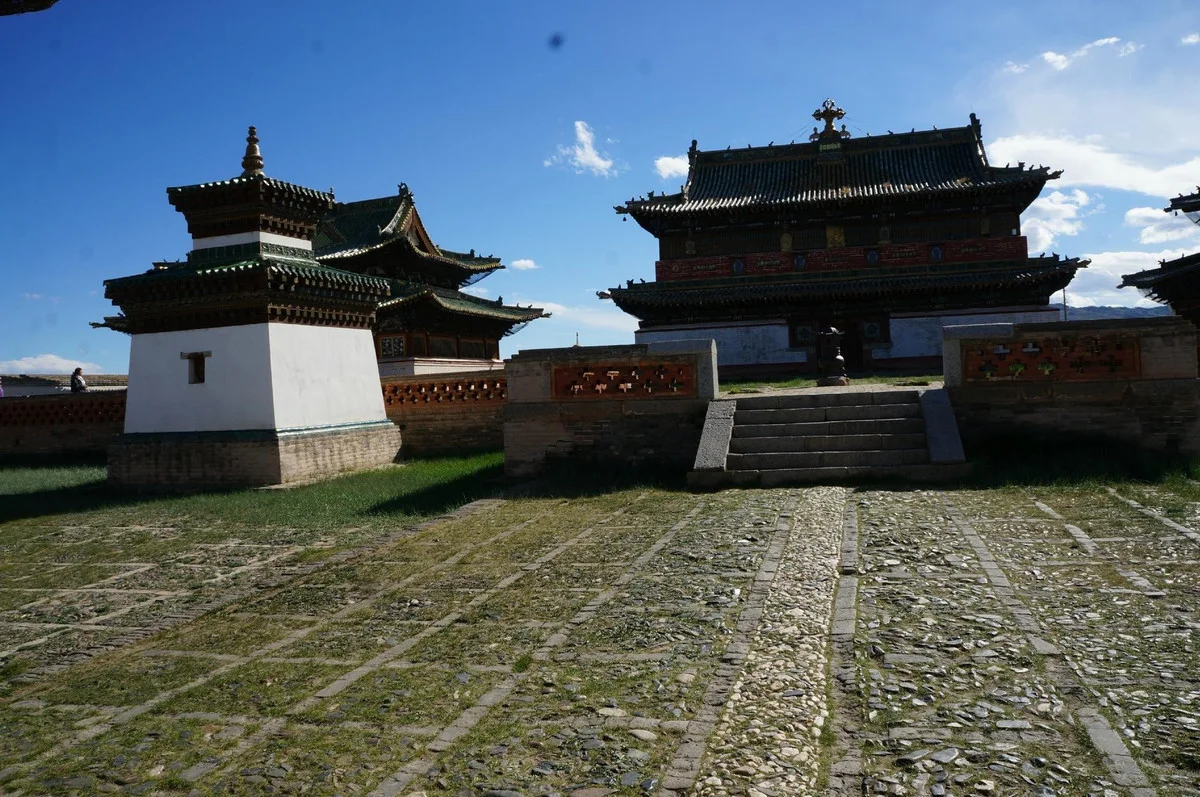
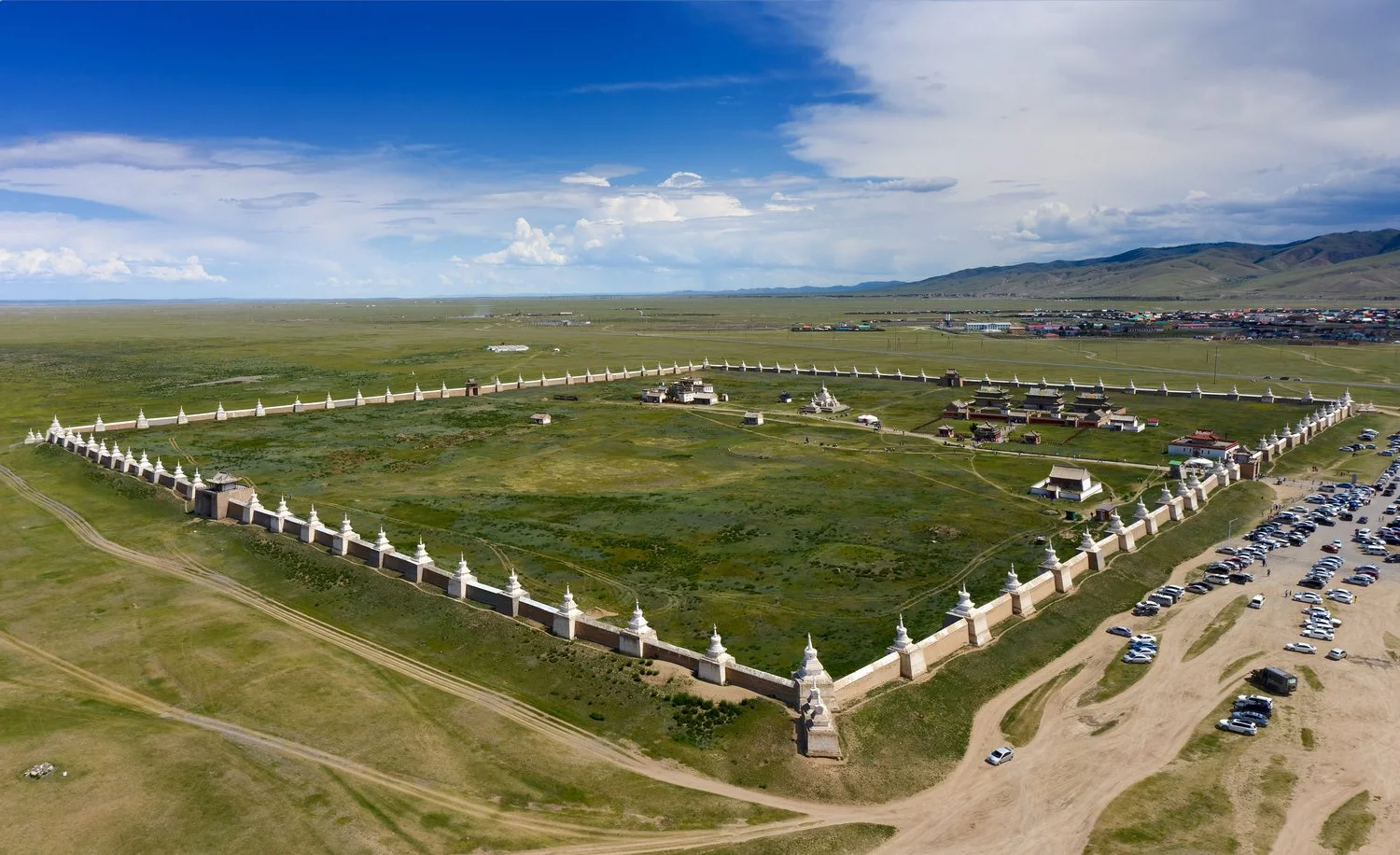
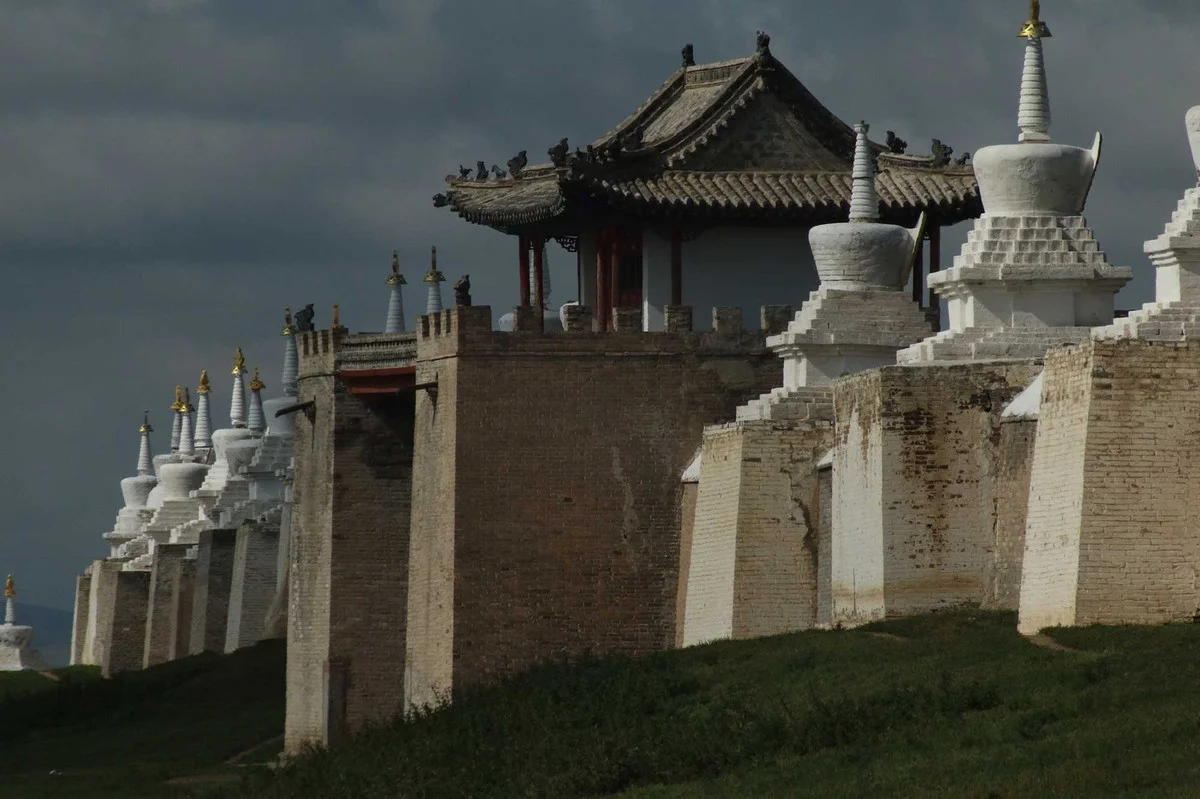
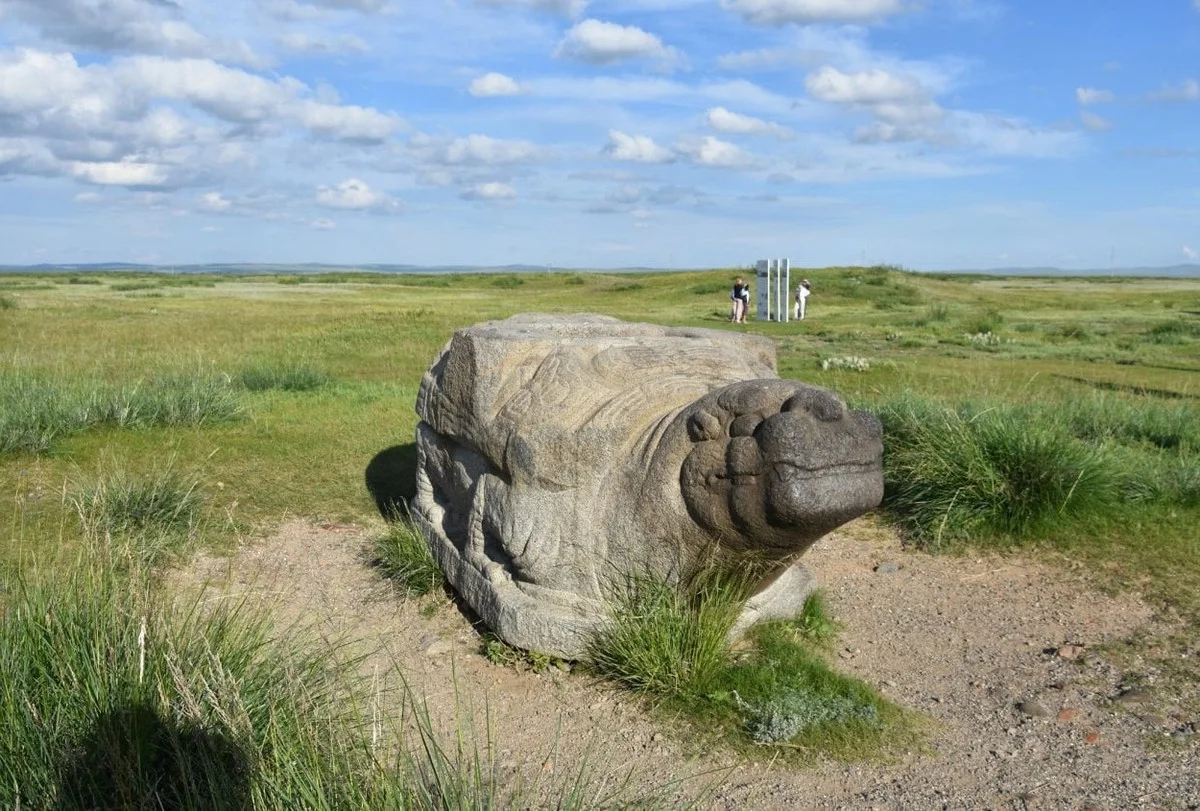
Standing in the vast expanse of the steppe where Karakorum once flourished as the brilliant power center of the Mongol Empire, one truly feels the profound intersection of history and time. This shot captures the serene beauty of the Erdene Zuu Monastery, its traditional curved roofs silhouetted against a deep blue sky as golden sunlight pours over the ancient stone courtyard. Every weathered stone and path whispers stories of a bustling multicultural hub on the legendary Silk Road. The mood and tone of the image are contemplative and nostalgic, featuring warm earthy palettes that contrast beautifully with the openness of the horizon, creating a visual harmony that is both peaceful and majestic. It is more than just a journey to historical roots; it is a spiritual experience for souls who cherish minimalist beauty and the quietude of Central Asian landscapes.#MongoliaTravel #KarakorumRuins #AncientHistory #SteppeVibes #HeritageSite




tremica
2025-11-11 23:56:54.298522
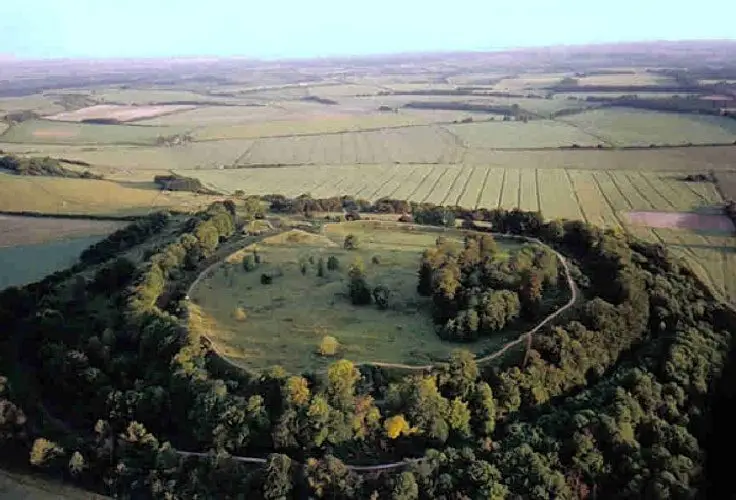
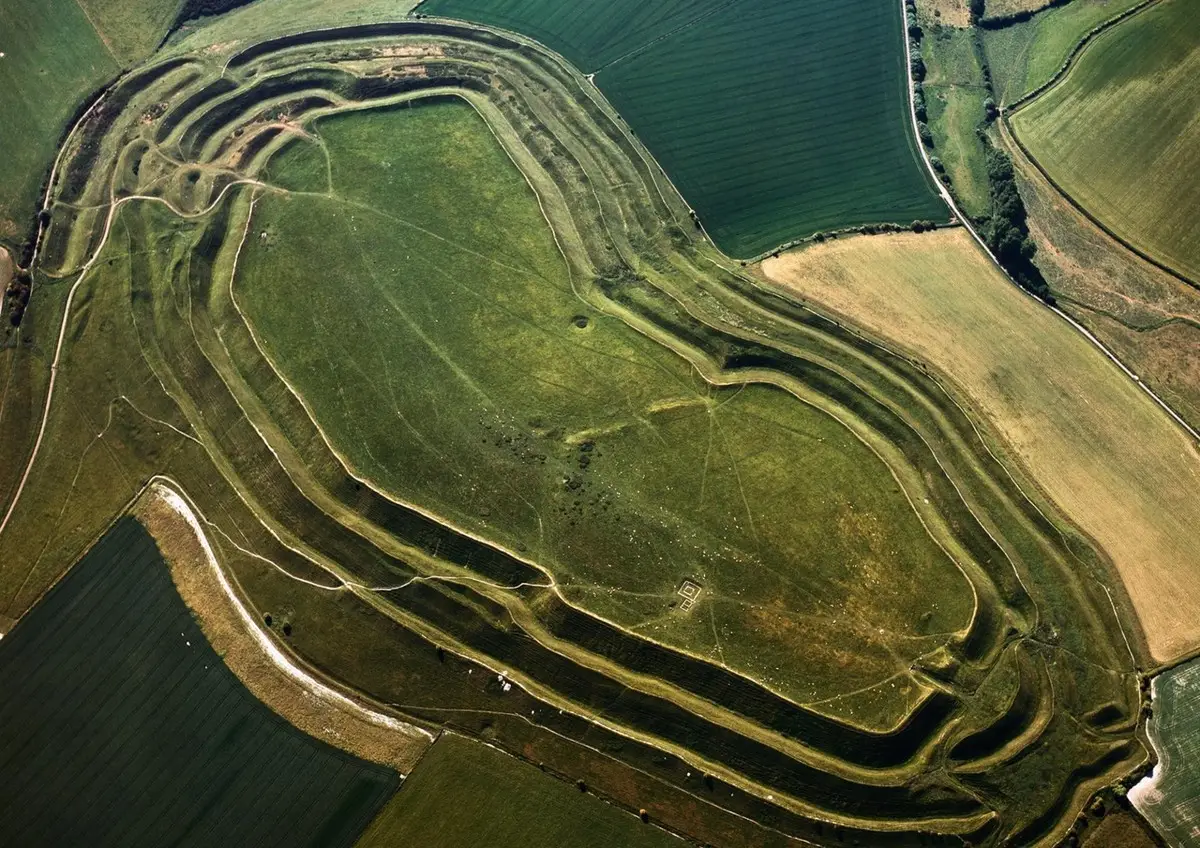
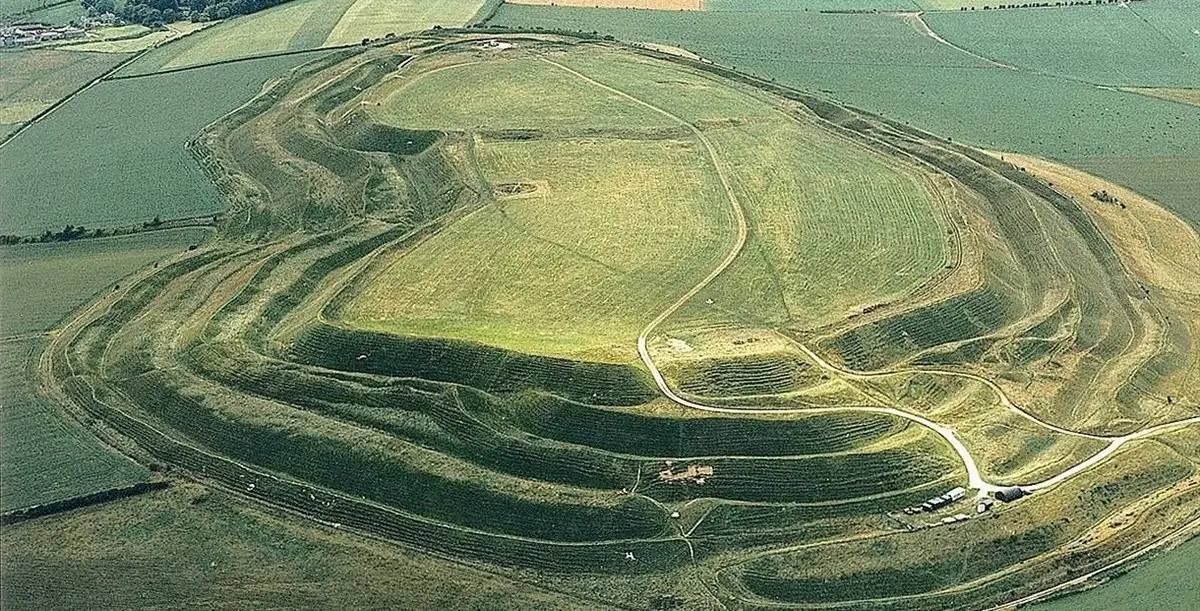
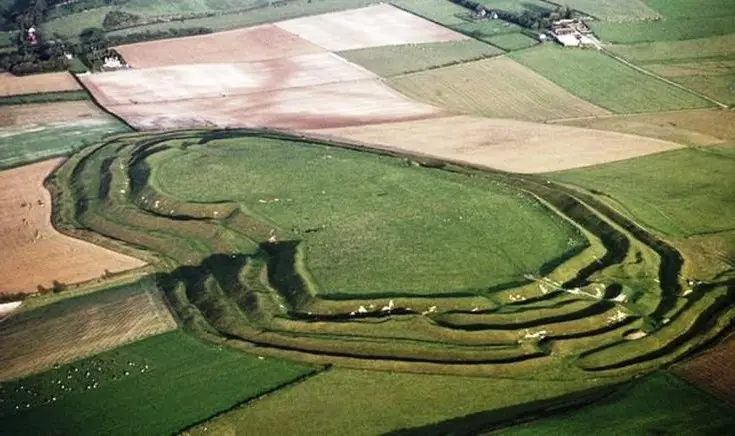
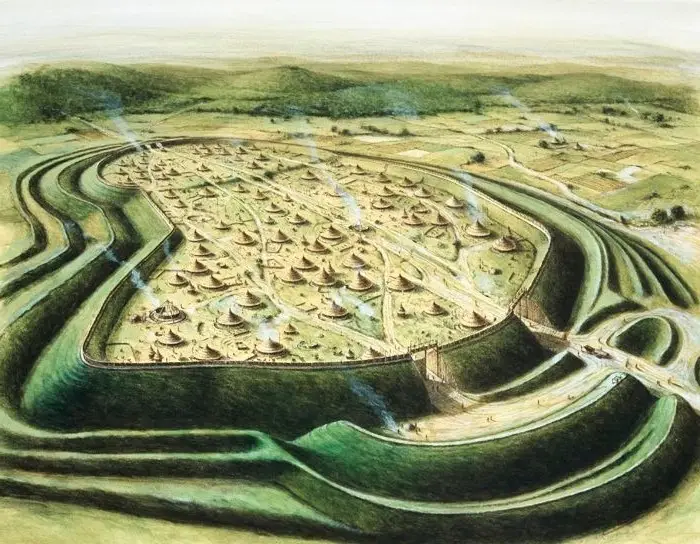
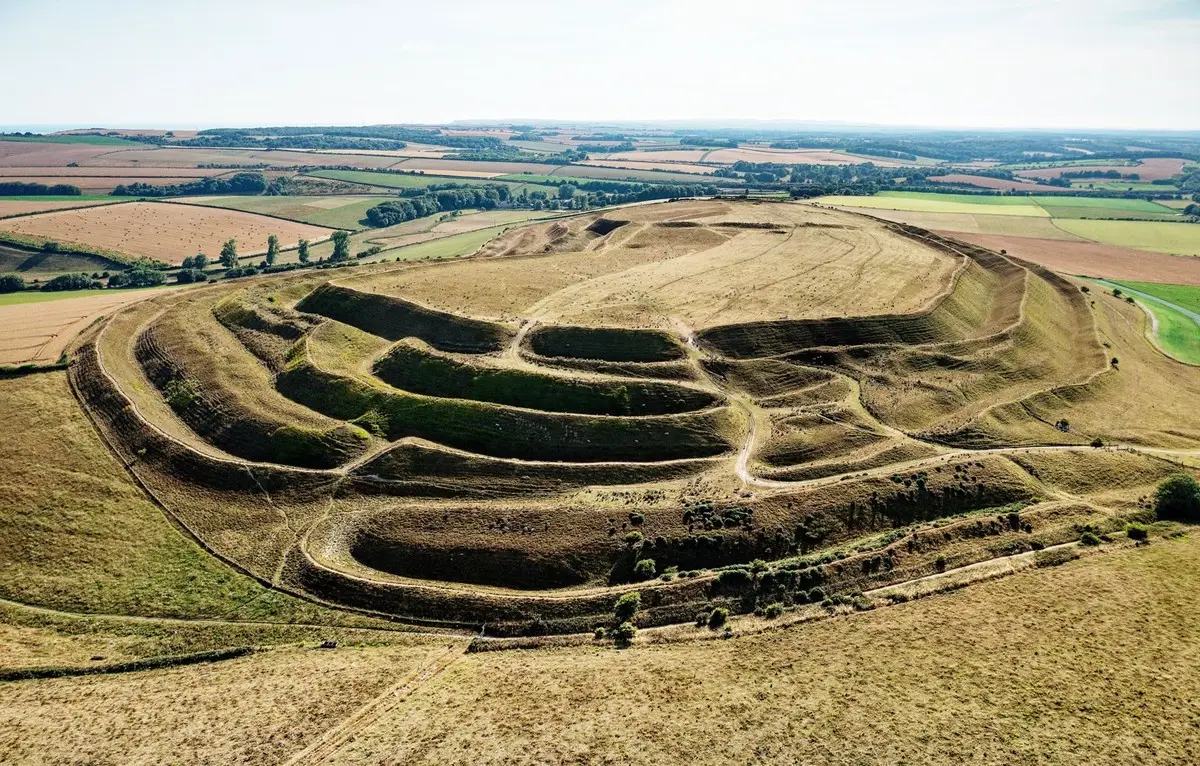
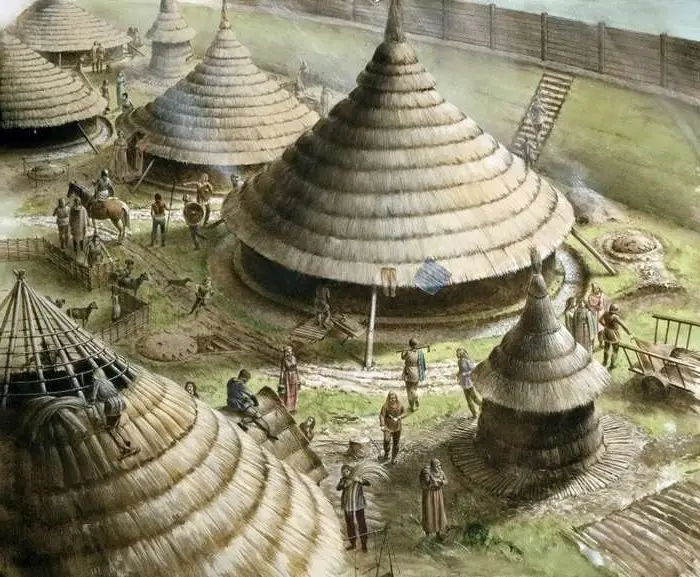
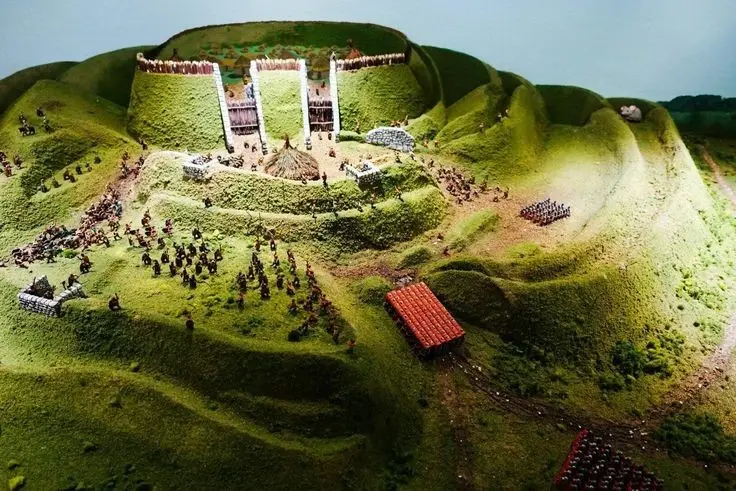
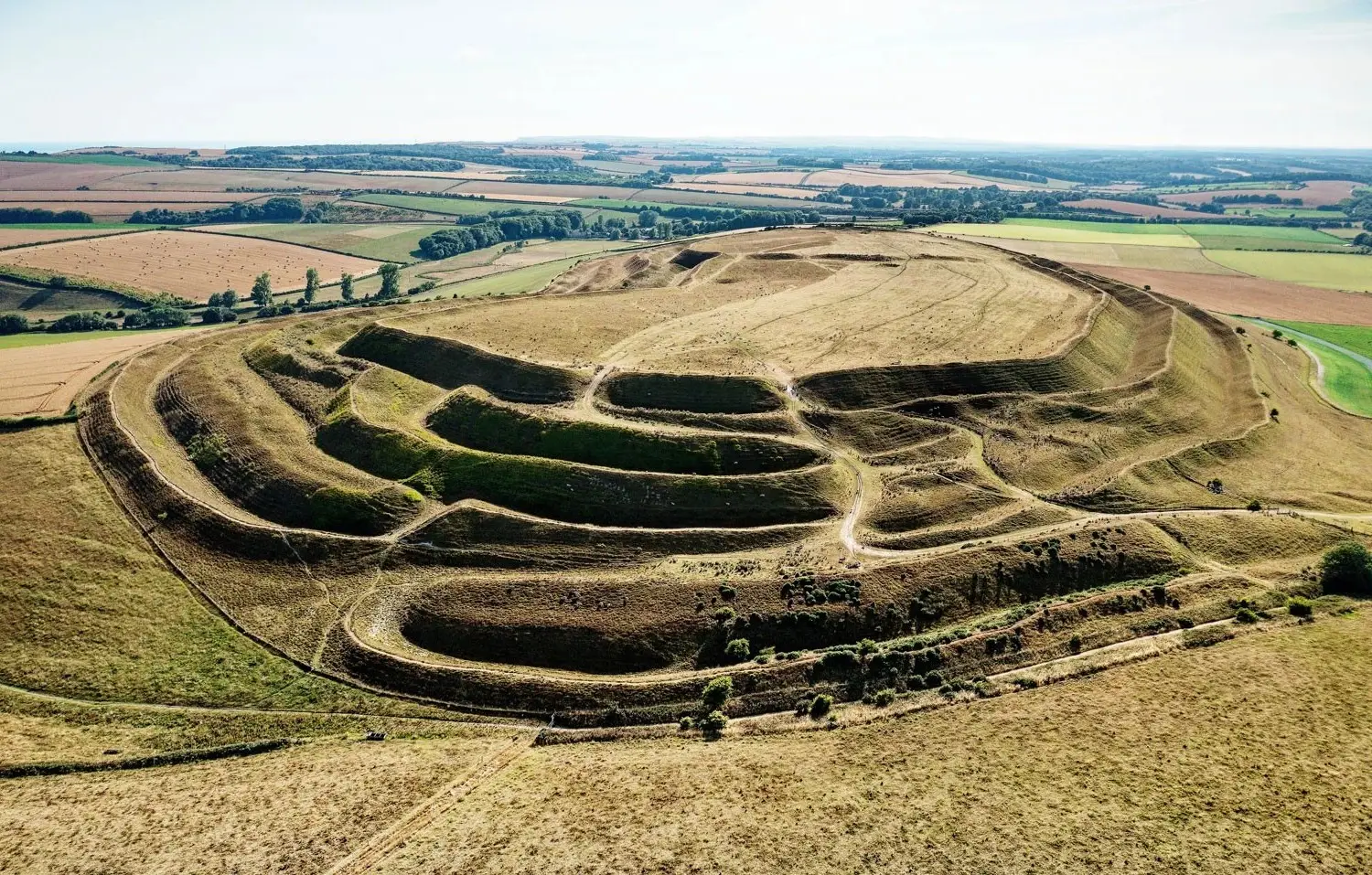
Maiden Castle: Europe's Largest 3000-Year-Old Iron Age Hillfort in Dorset, England
This stunning aerial view reveals Maiden Castle, a colossal Iron Age hillfort in Dorset, England. Dating back nearly 3000 years, it stands as one of Europe's largest and most complex prehistoric defensive structures. From above, its concentric ramparts and ditches form an impressive, winding pattern, an ancient scar upon the verdant landscape. This remarkable earthwork is a silent witness to ancient European history, once a formidable center of power and a battleground for Celtic and Roman conflicts. Today, Maiden Castle is not just a UK national heritage site but a captivating destination, inviting visitors to explore its magnificent archaeological features and connect with millennia of human history.#MaidenCastle #IronAgeHillfort #AncientHistory #DorsetEngland #UKHeritage
Raegan
2025-11-04 20:14:01.136930
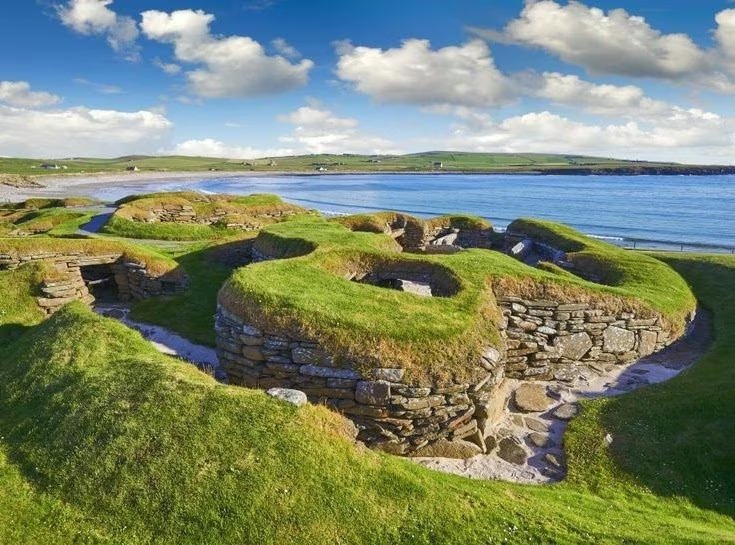
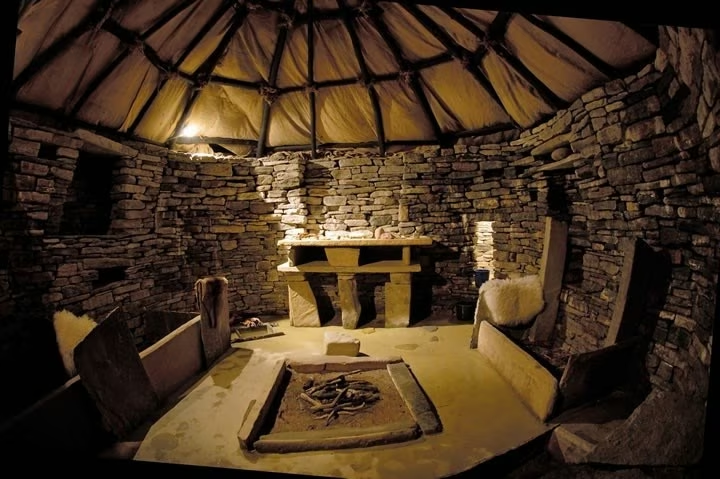
Discover Skara Brae: Europe's Best Preserved Neolithic Village Unveils Ancient Mysteries
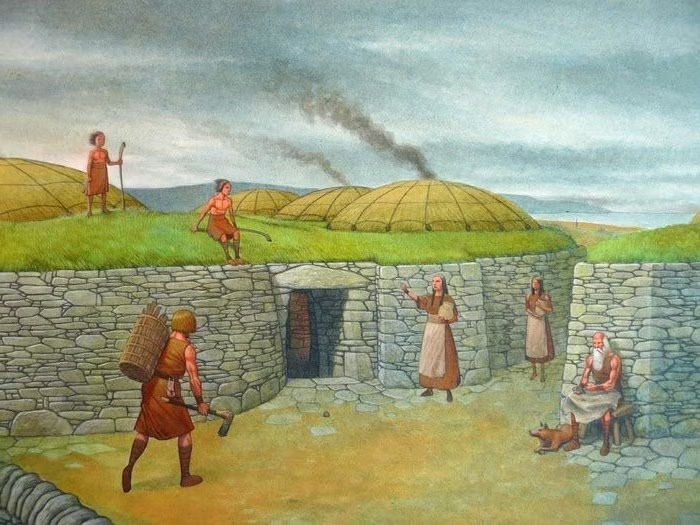
Nestled in Scotland's Orkney Islands Skara Brae stands as Europe's most perfectly preserved Neolithic village. This UNESCO World Heritage site offers profound insights into the daily lives of ancient inhabitants thousands of years ago. Its unique ancient stone architecture and sophisticated drainage system reveal the ingenuity and adaptability of prehistoric people to a harsh environment. Exploring Skara Brae is not just an archaeological journey but a voyage back to the roots of human civilization where history is vividly preserved through every stone.#SkaraBrae #Neolithic #Village #WorldHeritage #Archaeology #AncientHistory
Stories
-
Creat Your Story
time to story
-

Anna Mull
1 hour ago
-

Ira Membrit
4 hour ago
-

Bob Frapples
9 hour ago
Events
-

Web Workshop
1 hour ago
-

Fun Events and Festivals
1 hour ago
Upcoming Birthday
-
Anna Sthesia
Today
-

Paul Molive
Tomorrow