
 Select Photos
Kuşadası
2026-02-20 12:46:42.372968
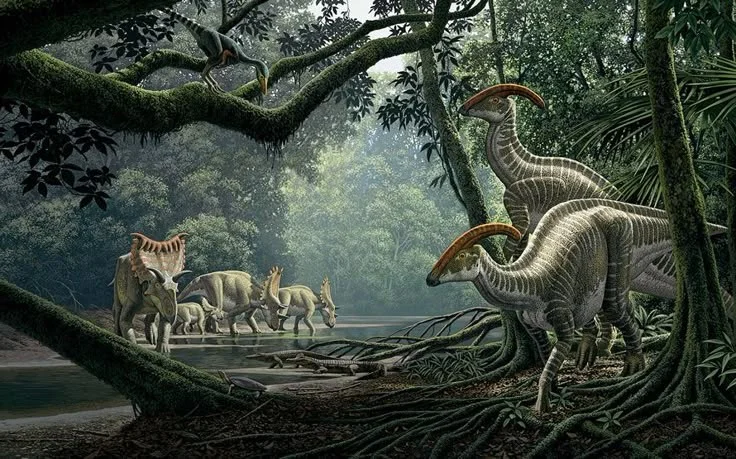
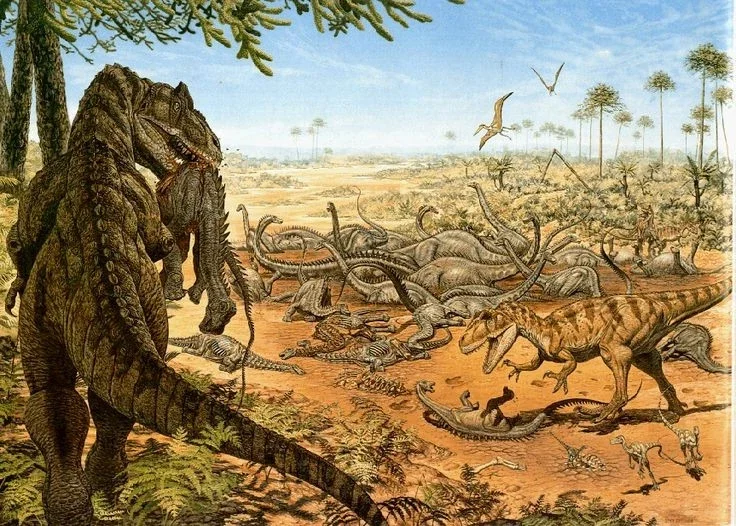
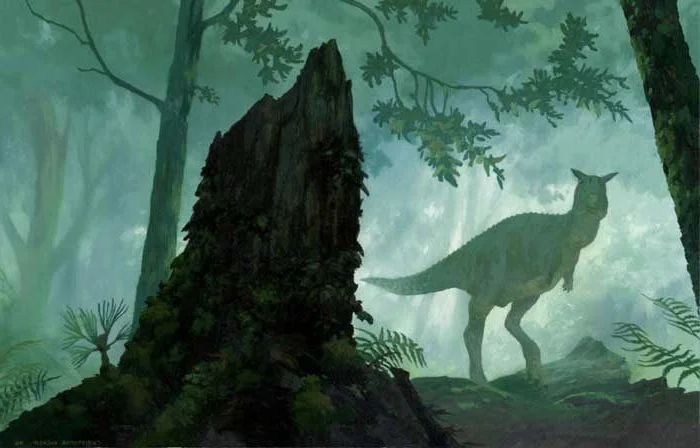
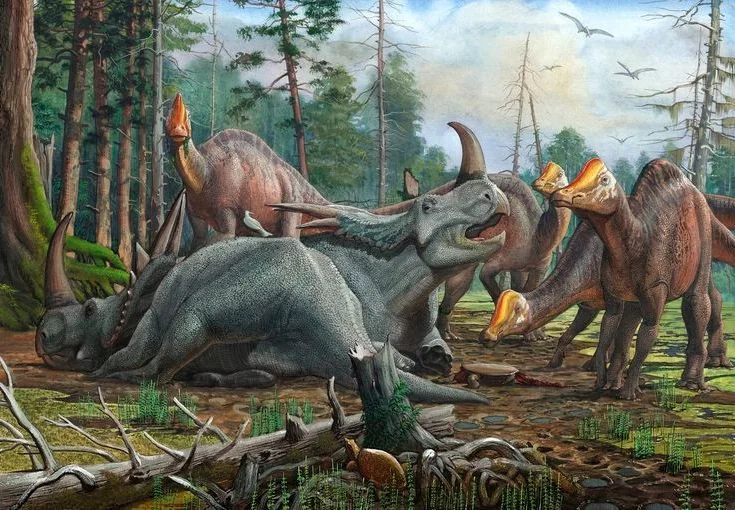
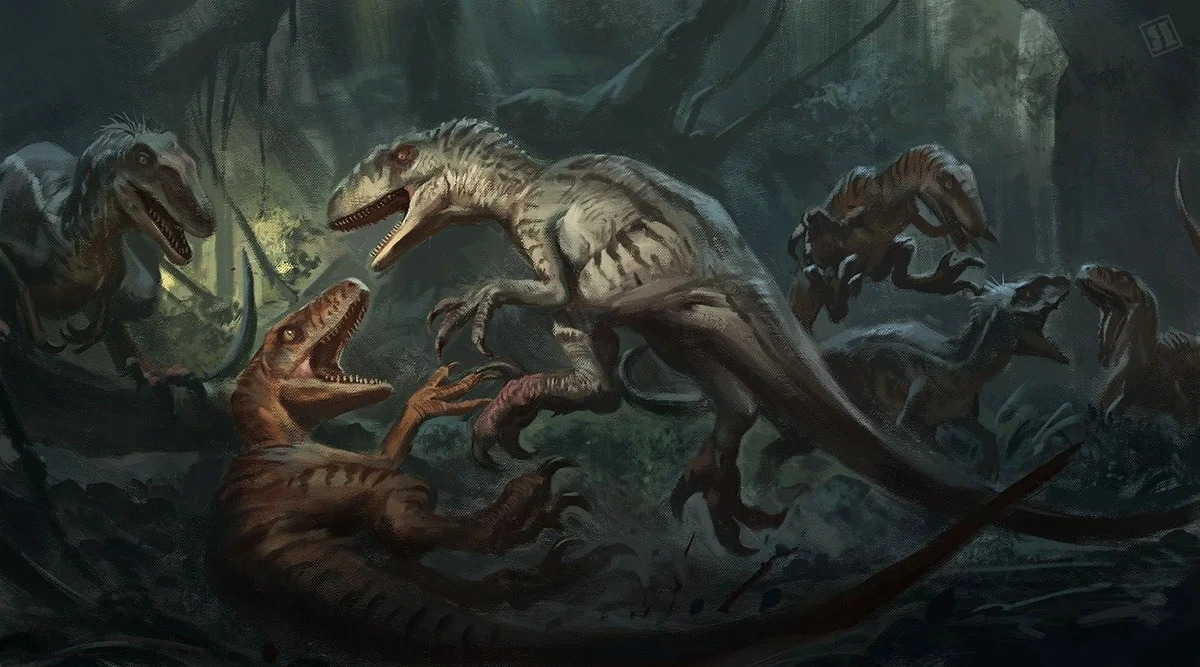
What If Dinosaurs Never Went Extinct? Exploring an Alternate Timeline of Earth’s Evolution and the Survival of Ancient Giants.
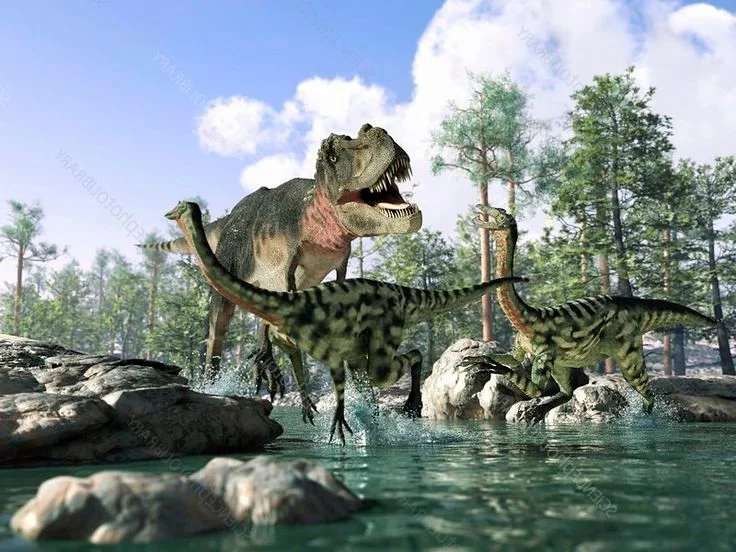
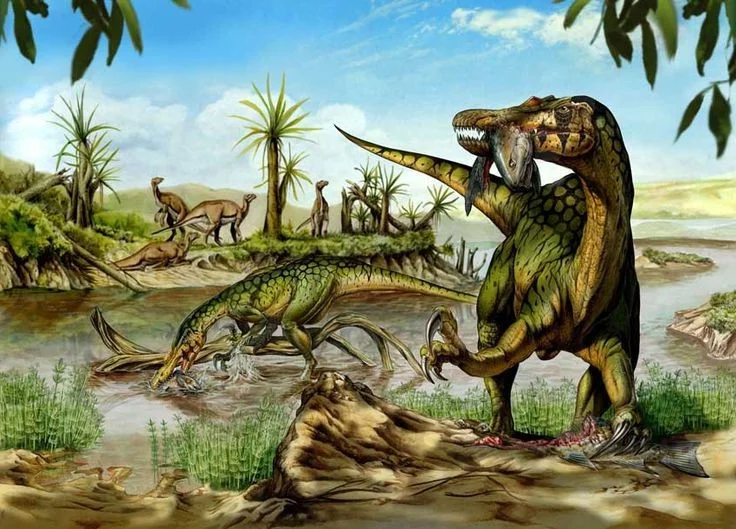
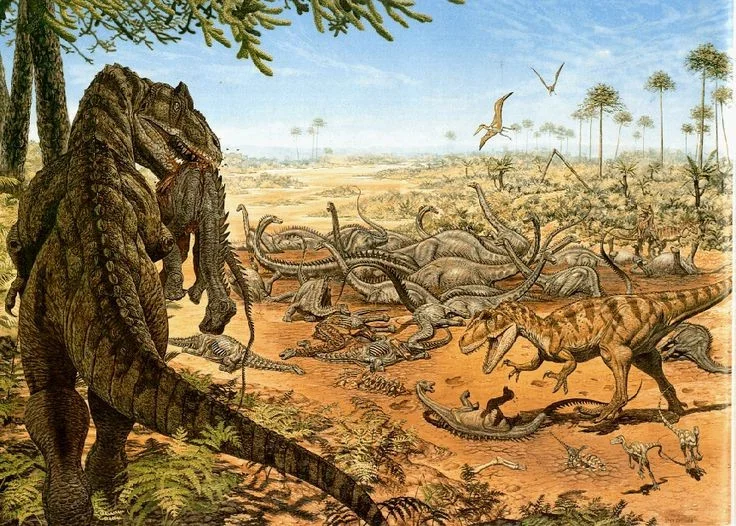
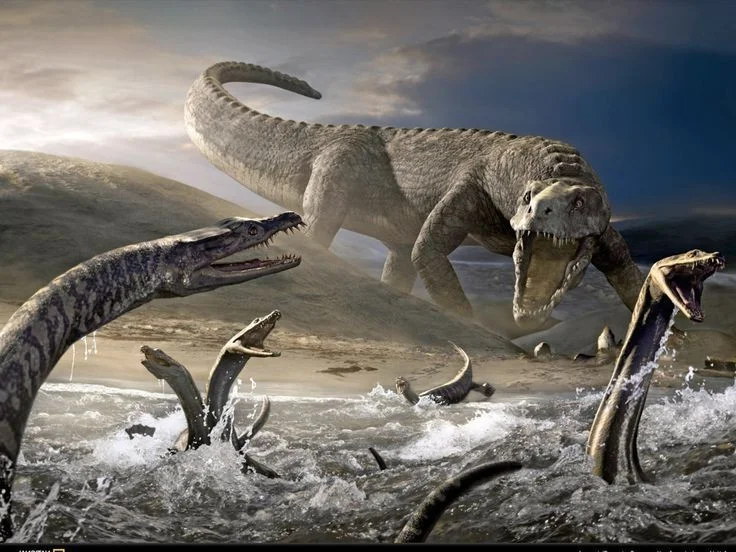
Have you ever wondered what the world would look like if the cataclysmic asteroid that ended the Cretaceous period had missed Earth? This fascinating exploration into speculative biology dives deep into the ultimate 'what if' of dinosaur survival. If the mass extinction event hadn't occurred 66 million years ago, the trajectory of life on our planet would be completely unrecognizable today. Large reptiles might still dominate the global landscape, potentially evolving into highly intelligent beings or adapting to modern climates in ways we can only imagine.In this alternate timeline, the rise of mammals—and subsequently, humans—might have been stifled or entirely prevented. Small, nocturnal mammals would likely have remained in the shadows of giants like the Tyrannosaurus Rex or the agile Velociraptor. The biodiversity of our oceans and forests would follow a path dictated by reptilian dominance rather than mammalian expansion. This visual journey through ancient history and evolutionary science examines how climate change, natural selection, and ecological niches would have shifted over millions of years without the vacuum left by the extinction.
From the potential evolution of the 'Dinosauroid' to the survival of herbivorous titans in modern grasslands, we analyze the scientific theories that challenge our understanding of prehistoric life. Perfect for paleontology enthusiasts and fans of speculative fiction, this deep dive into Earth's history provides a unique perspective on the fragility of life. Reference ID: e0b1caef-ff69-4434-aae4-89bcf19bfc81. Join us as we reimagine a world where the Mesozoic era never truly ended and the giants of old still walk among us.
#WhatIfDinosaurs , #PrehistoricLife , #EvolutionaryBiology , #PaleontologyFacts , #AlternateHistory , #DinosaurEvolution , #MesozoicEra
Comment
touchakorn
2026-02-14 21:55:45.233062
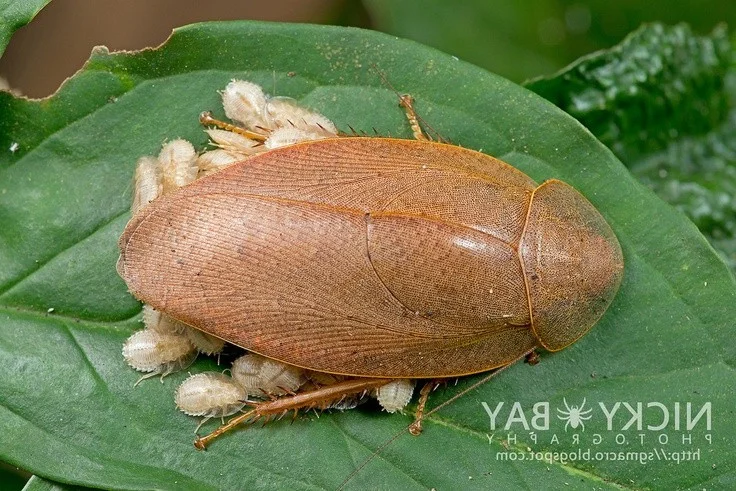
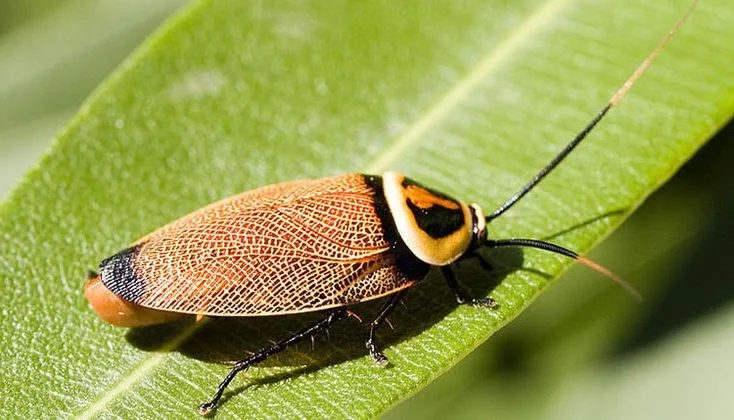
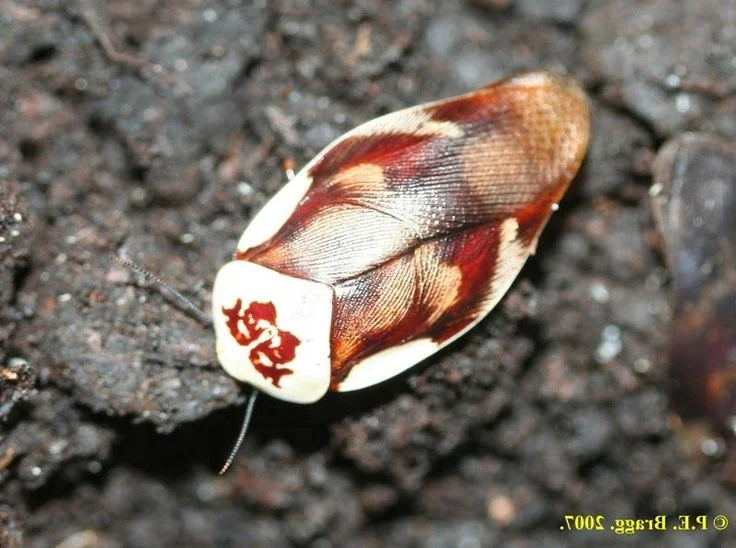
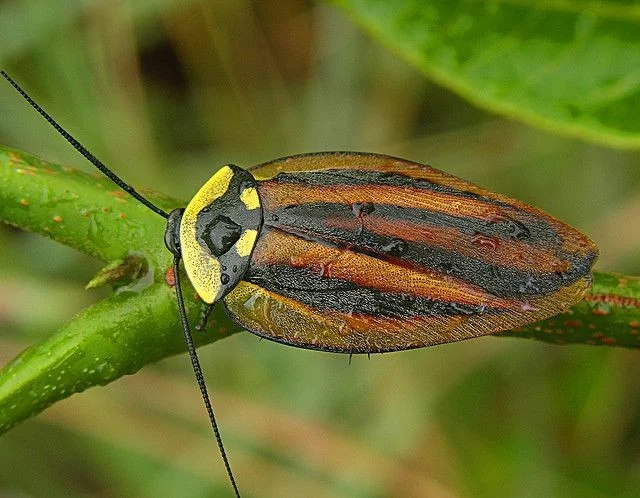
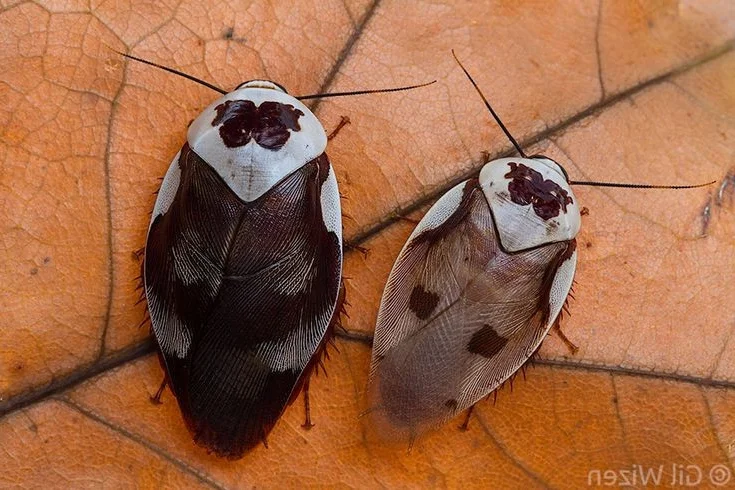
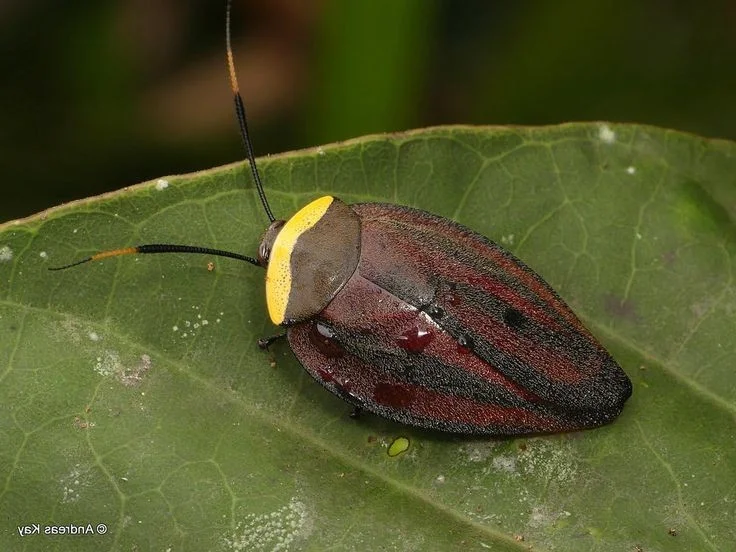
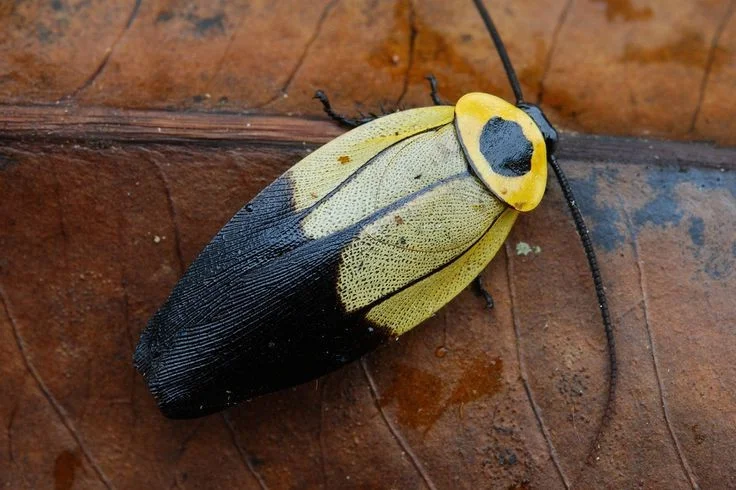
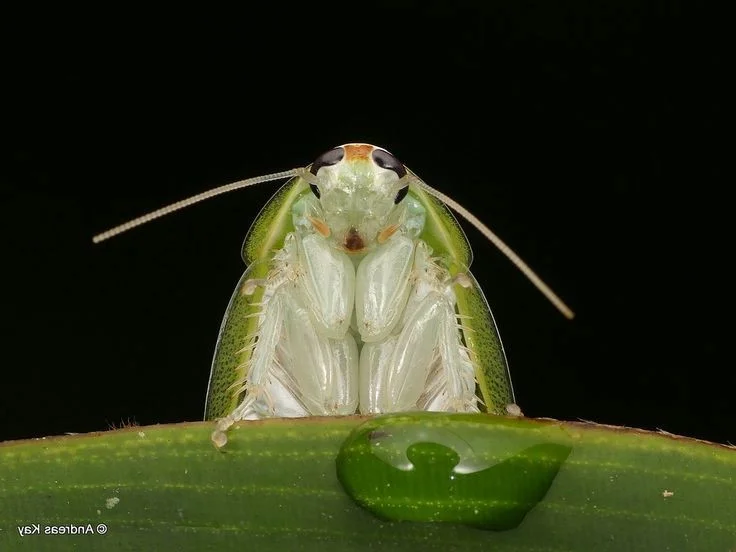
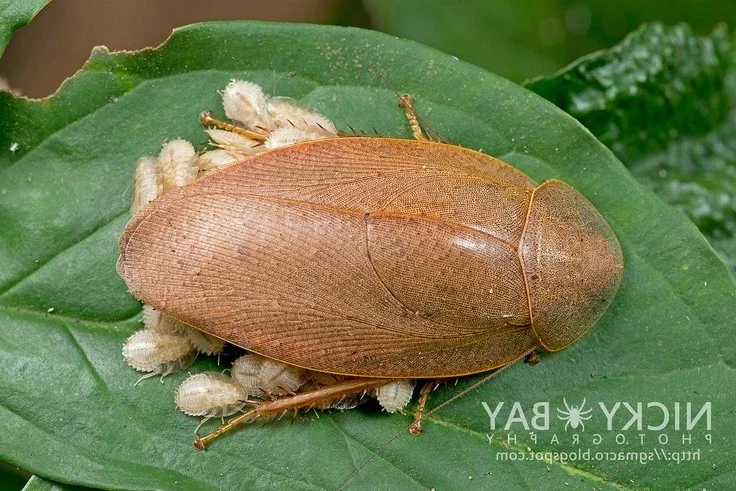
Evolutionary Marvels: How Cockroaches Outlasted Dinosaurs and Mastered the Art of Survival for Millions of Years
Have you ever wondered how one of the most misunderstood creatures on Earth is also one of the most successful? Cockroaches are true evolutionary masterpieces, having thrived on our planet for over 300 million years—emerging long before the first dinosaurs ever roamed. This fascinating look into their biological resilience reveals exactly why these insects are nearly impossible to eradicate and how they have mastered the art of survival through multiple mass extinctions.From their incredible ability to survive for weeks without a head to their lightning-fast reflexes that outpace the human eye, cockroaches have perfected every aspect of their anatomy. Their unique reproductive systems and the uncanny ability to rapidly develop resistance to modern chemical insecticides ensure their lineage continues even in the most hostile environments. While frequently dismissed as mere household pests, their ecological role as essential decomposers is vital for nutrient cycling in nature.
Whether you find them fascinating or frightening, the history of the Blattodea order is a powerful testament to the strength of natural selection. This exploration covers the science behind their survival, their prehistoric origins, and the specific biological traits—like their decentralized nervous system—that make them the ultimate survivors of the animal kingdom. This insight into the f6b010f7 biological lineage is perfect for nature enthusiasts, biology students, or anyone curious about the incredible wonders of evolution and the hidden world of insects that have shared our world for eons.
#EvolutionaryBiology , #InsectFacts , #NatureWonders , #CockroachSurvival , #PrehistoricLife , #BiologyToday , #NaturalSelection , #PestResilience

Đông Hoàng
2026-02-11 16:00:19.164851
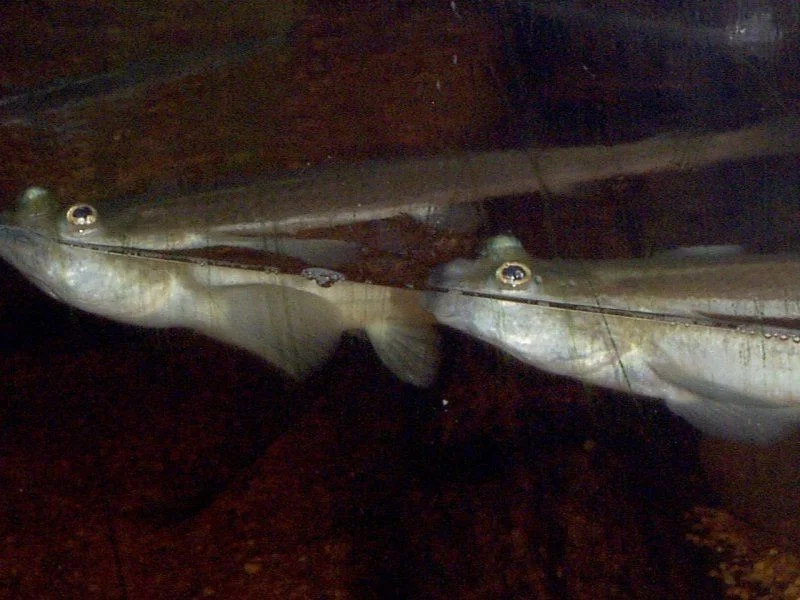
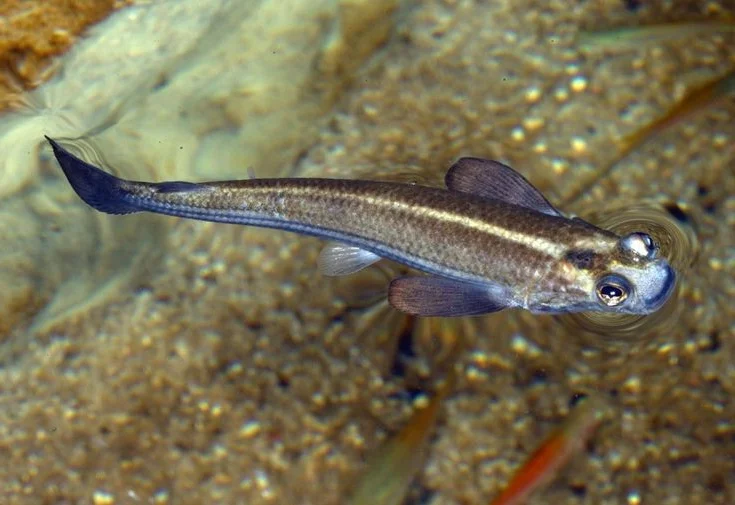
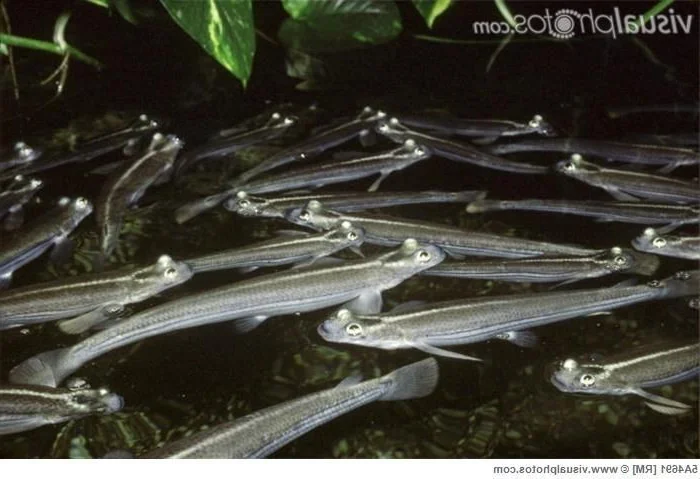
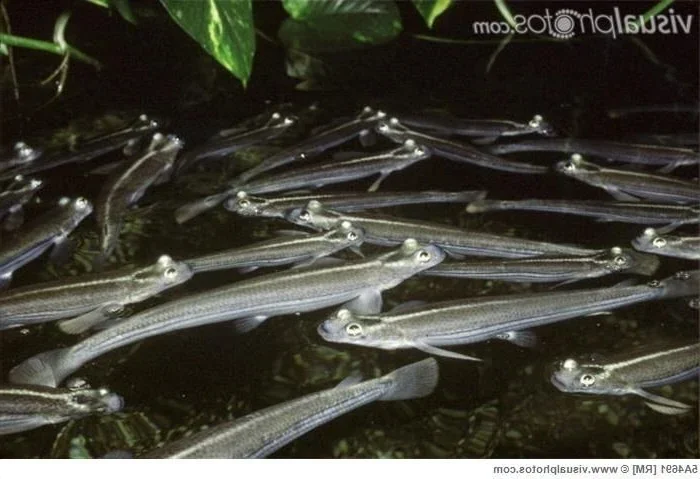
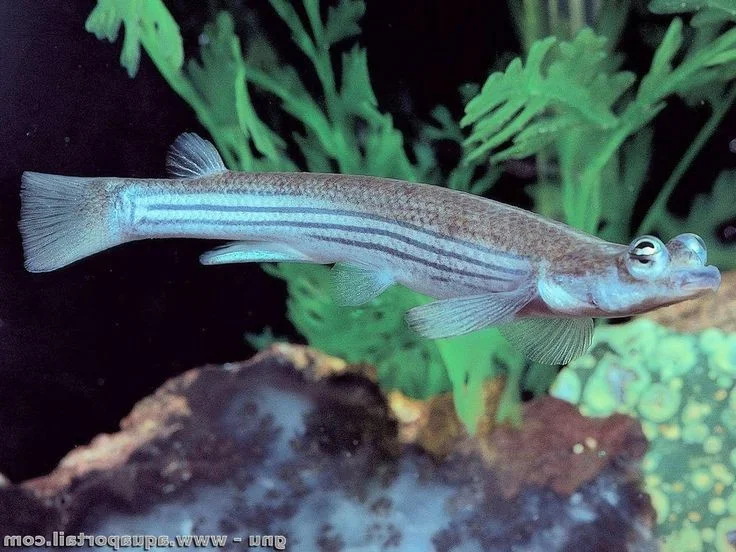
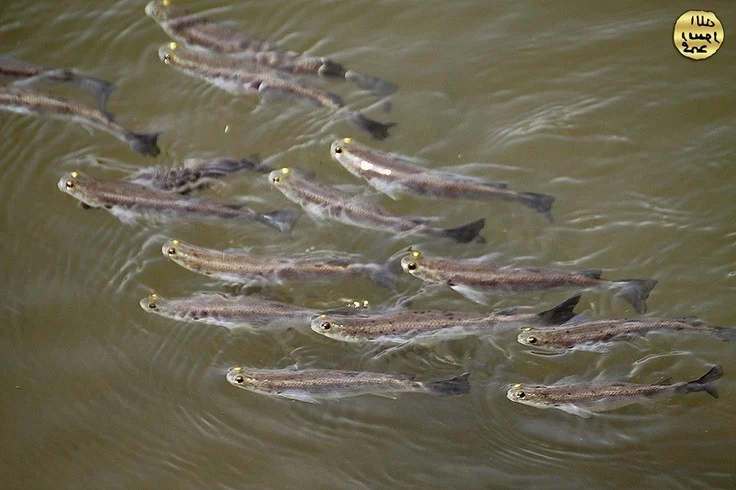
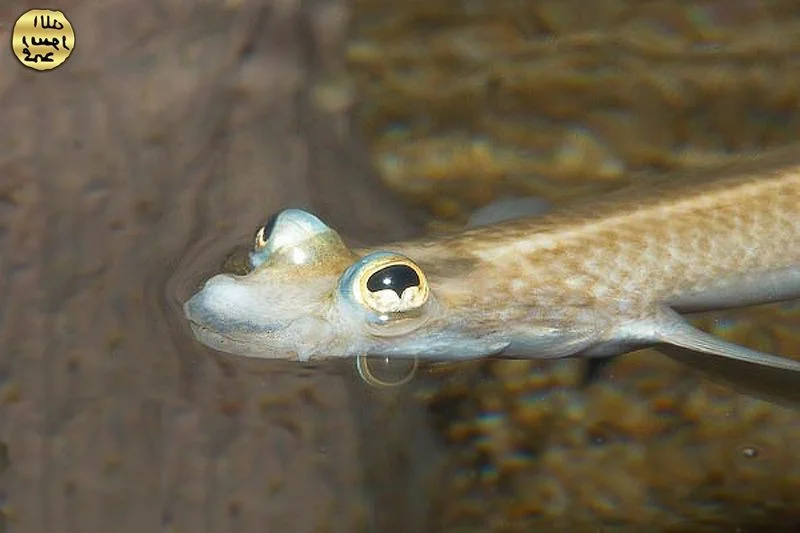
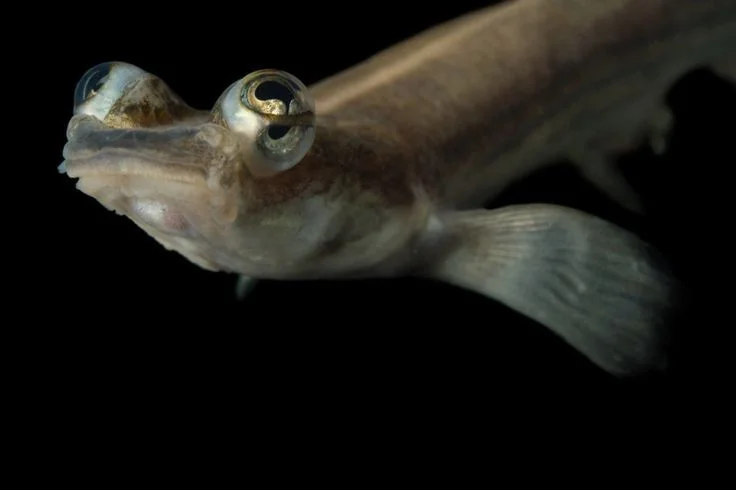
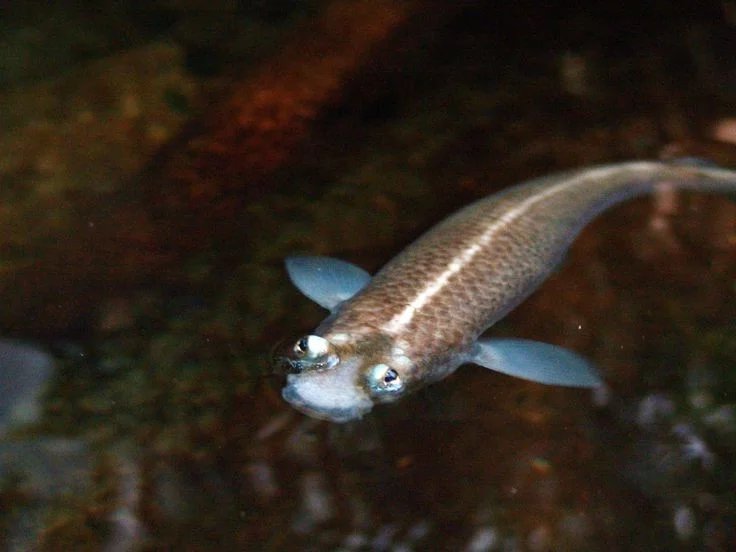
Discover the Incredible Four-Eyed Fish: Nature’s Unique Marvel That Sees Above and Below Water Simultaneously
Nature never ceases to amaze us with its incredible evolutionary designs, and the Four-Eyed Fish (Anableps anableps) is a prime example of biological ingenuity. Found primarily in the tropical waters of Central and South America, this unique creature possesses a vision system unlike any other in the animal kingdom. Despite its common name, the fish actually has two physical eyes, but each is horizontally divided by a thin band of tissue. This specialized structure allows the fish to float at the water's surface and see clearly both above and below the waterline at the same time.This dual-vision capability is a vital survival mechanism for the species. By keeping the upper half of its eyes focused on the sky to watch for predatory birds and the lower half submerged to hunt for insects, small crustaceans, and other prey, the Four-Eyed Fish masters its brackish water environment with ease. It remains a fascinating subject for researchers studying evolutionary biology and visual adaptation. Beyond its vision, these fish are also known for being live-bearers, adding another layer of complexity to their reproductive life cycle.
Whether you are a marine biology enthusiast, a nature photographer, or simply curious about the world’s most unusual animals, the Anableps anableps is a true wonder of the natural world. This specific profile, cataloged under reference 61f6e582-c4e7-409b-8142-c749371e443f, highlights the remarkable ability of species to adapt to their surroundings in ways that seem almost supernatural. Explore the beauty of aquatic evolution and learn how this small fish manages to navigate two different worlds simultaneously.
#FourEyedFish , #MarineBiology , #NaturePhotography , #EvolutionaryBiology , #AquaticLife , #AnablepsAnableps , #WildlifeDiscovery , #TropicalFish
Luciana
2026-01-26 12:17:15.526972
Nature's Real-Life Aliens: 10 Bizarre Creatures That Defy Imagination and Evolution
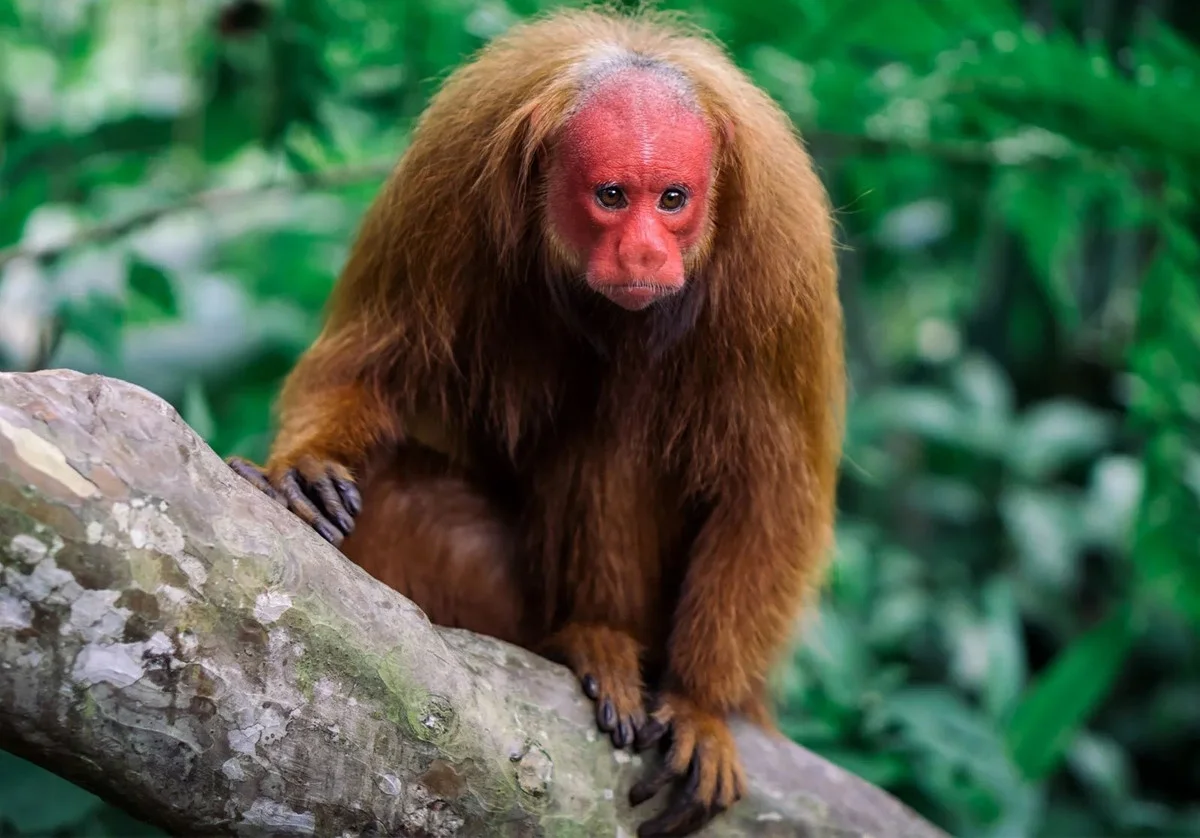
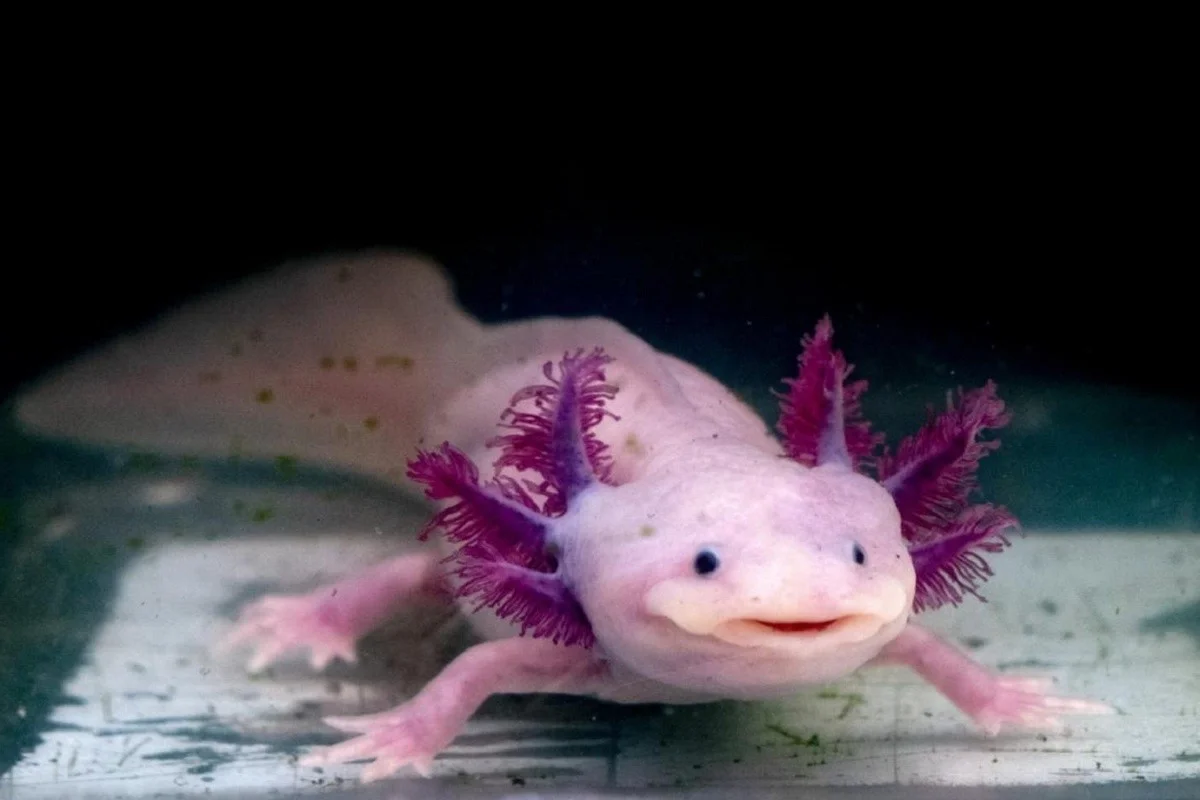
Nature is the ultimate artist, and sometimes its creations are so surreal they seem to belong in a science fiction novel. Beyond the familiar faces of lions and dolphins lies a world of 'biological anomalies'—creatures that have evolved extraordinary features to survive in the Earth's most extreme environments.In this visual journey, we explore the fascinating aesthetics of the bizarre:
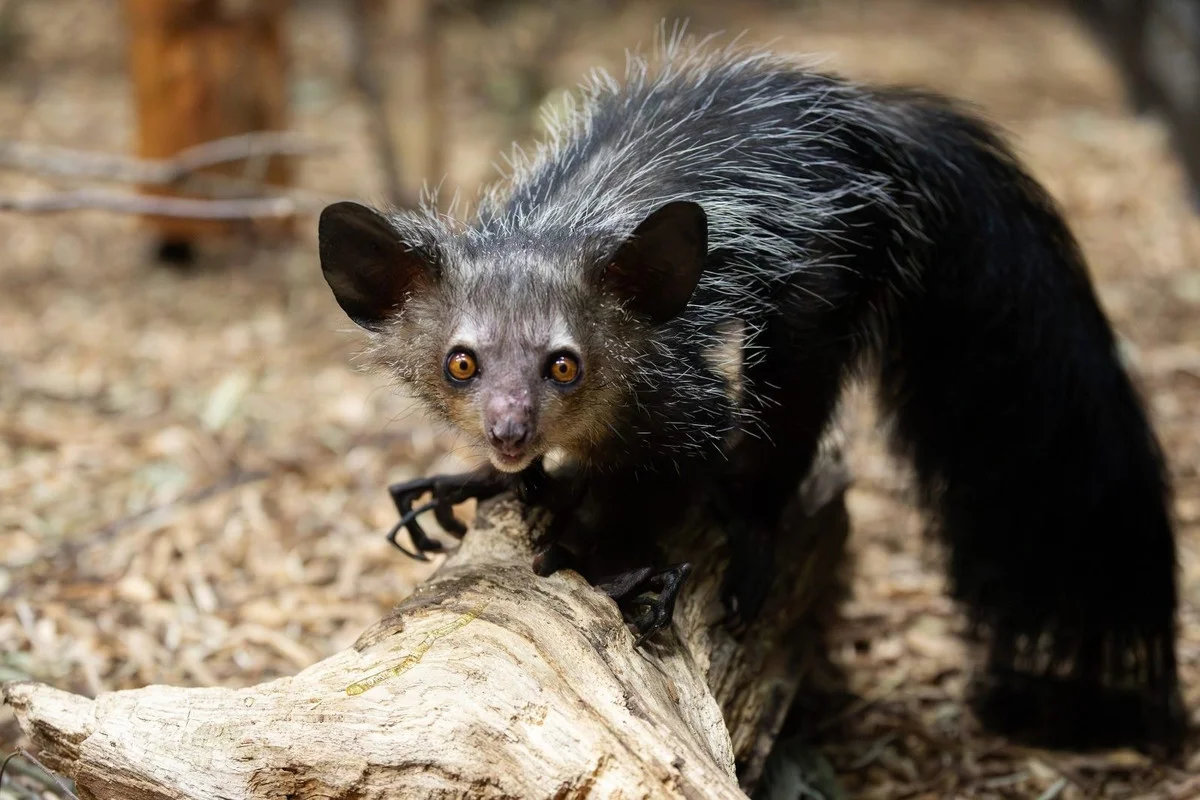
- The Aye-aye: Madagascar's nocturnal lemur with an elongated finger designed for percussive foraging.
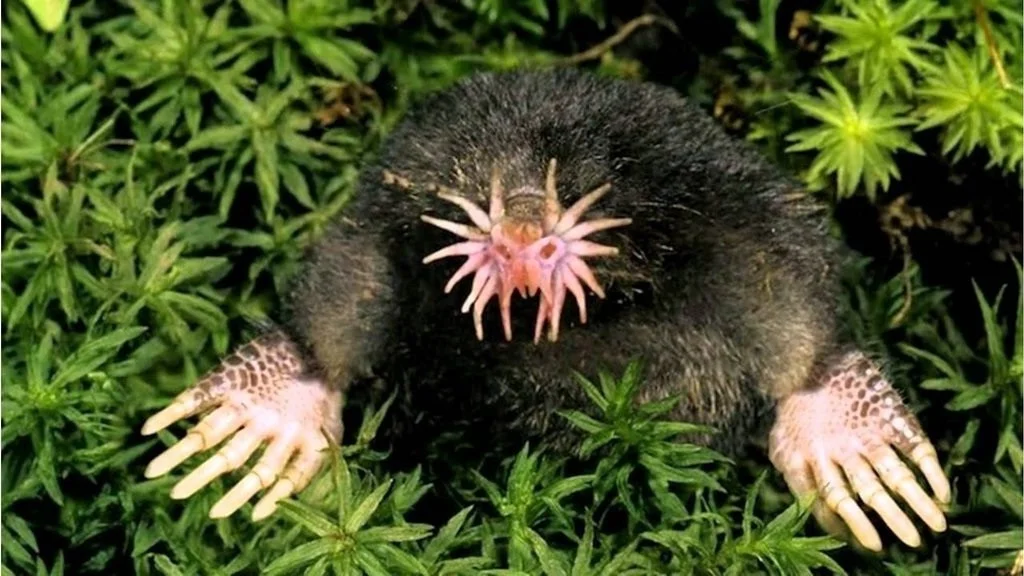
- The Star-Nosed Mole: A subterranean marvel whose snout features 22 fleshy appendages, making it the fastest-eating mammal on record.
- The Saiga Antelope: An ancient survivor from the Eurasian steppes, recognizable by its oversized, flexible nose that filters dust and regulates blood temperature.
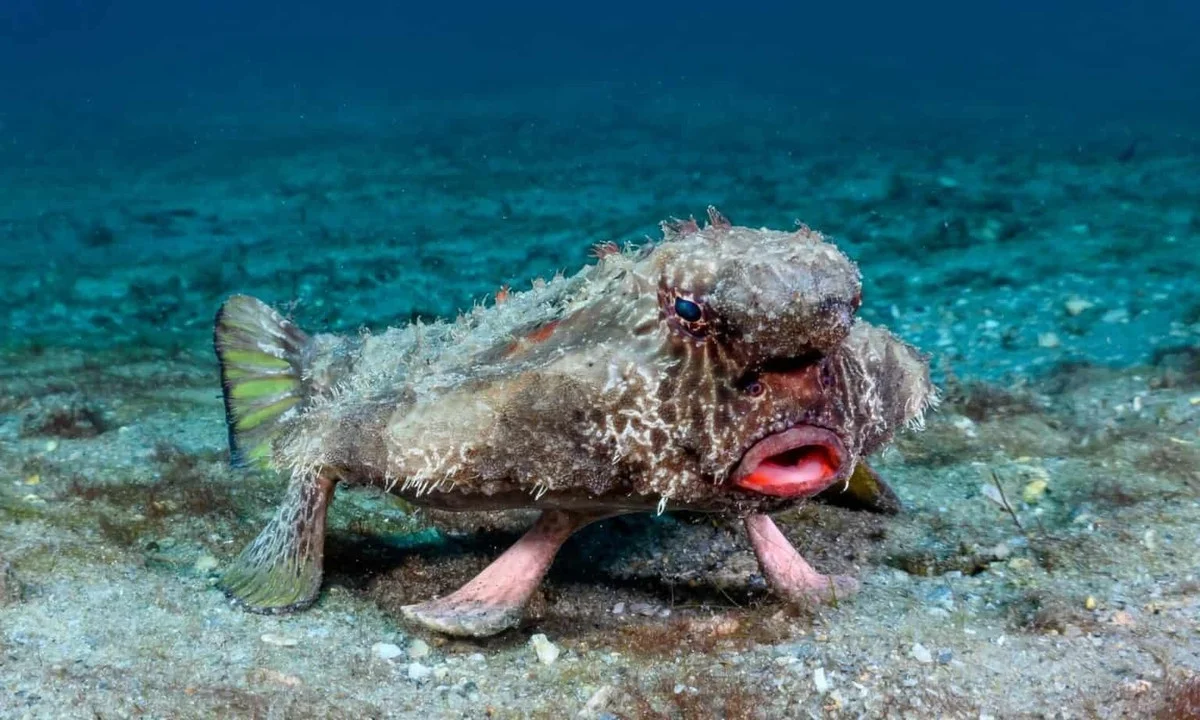
- The Red-Lipped Batfish: Found near the Galapagos, this fish prefers 'walking' on the ocean floor over swimming, sporting a permanent crimson pout.
- The Shoebill Stork: A prehistoric-looking bird that stands motionless like a statue, commanding respect with its massive, shoe-shaped beak.
These species challenge our perception of beauty and remind us that evolution is driven by functionality, not just form. For photographers and nature enthusiasts, these 'living fossils' represent the raw, unfiltered creativity of our planet. Protecting their habitats is essential to preserving the weird and wonderful legacy of Earth's biodiversity.
#BizarreAnimals #NatureWonders #WildlifePhotography #EvolutionaryBiology #StrangeCreatures #DeepSeaMysteries #EarthCapture
Stories
-
Creat Your Story
time to story
-

Anna Mull
1 hour ago
-

Ira Membrit
4 hour ago
-

Bob Frapples
9 hour ago
Events
-

Web Workshop
1 hour ago
-

Fun Events and Festivals
1 hour ago
Upcoming Birthday
-
Anna Sthesia
Today
-

Paul Molive
Tomorrow