
 Select Photos
dyer
2026-02-20 15:24:12.792441
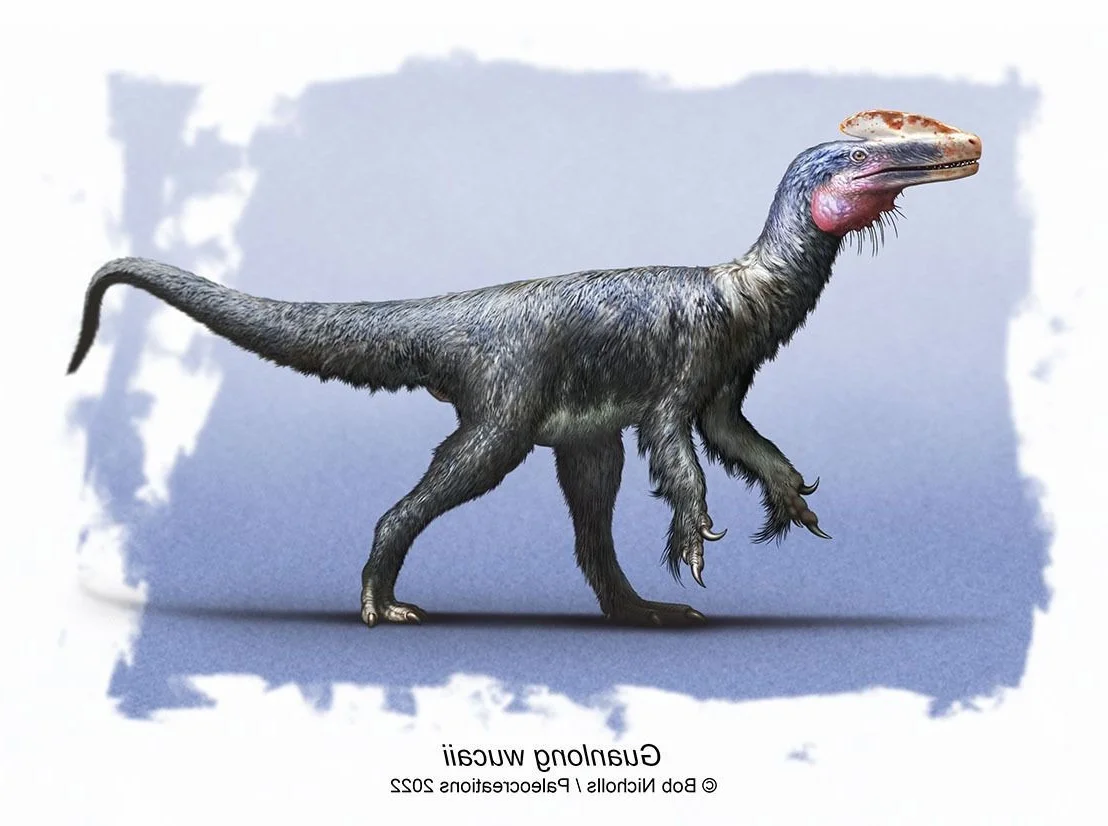
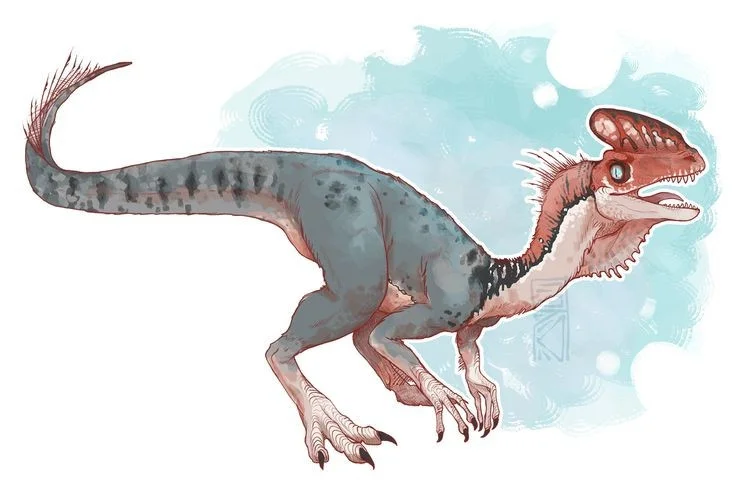
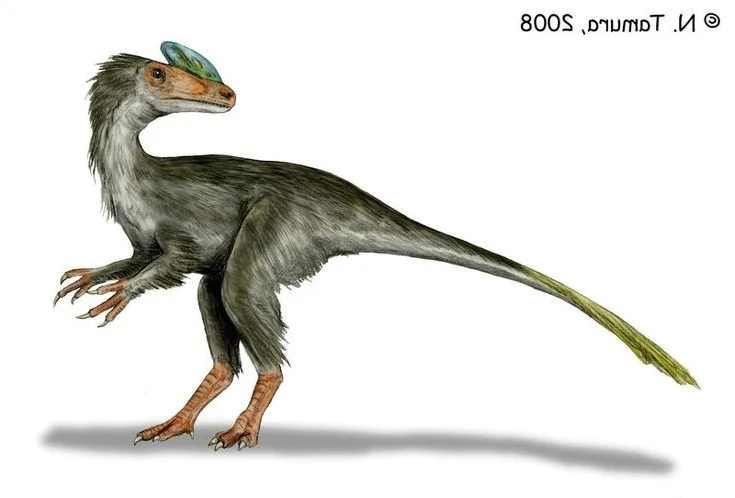
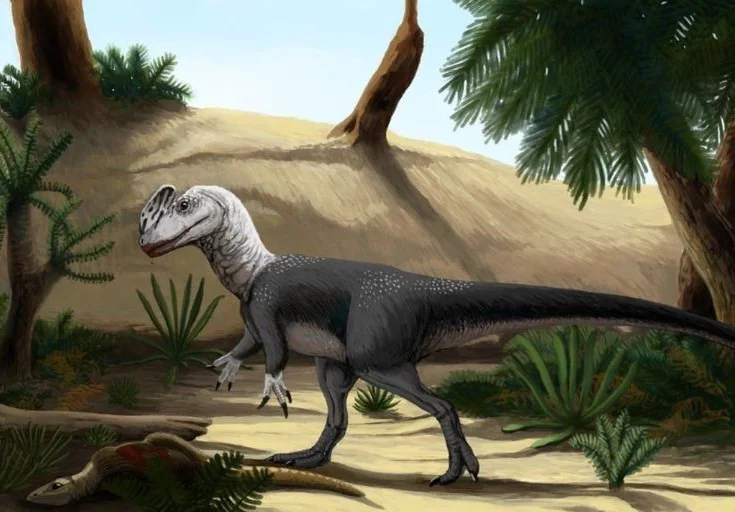
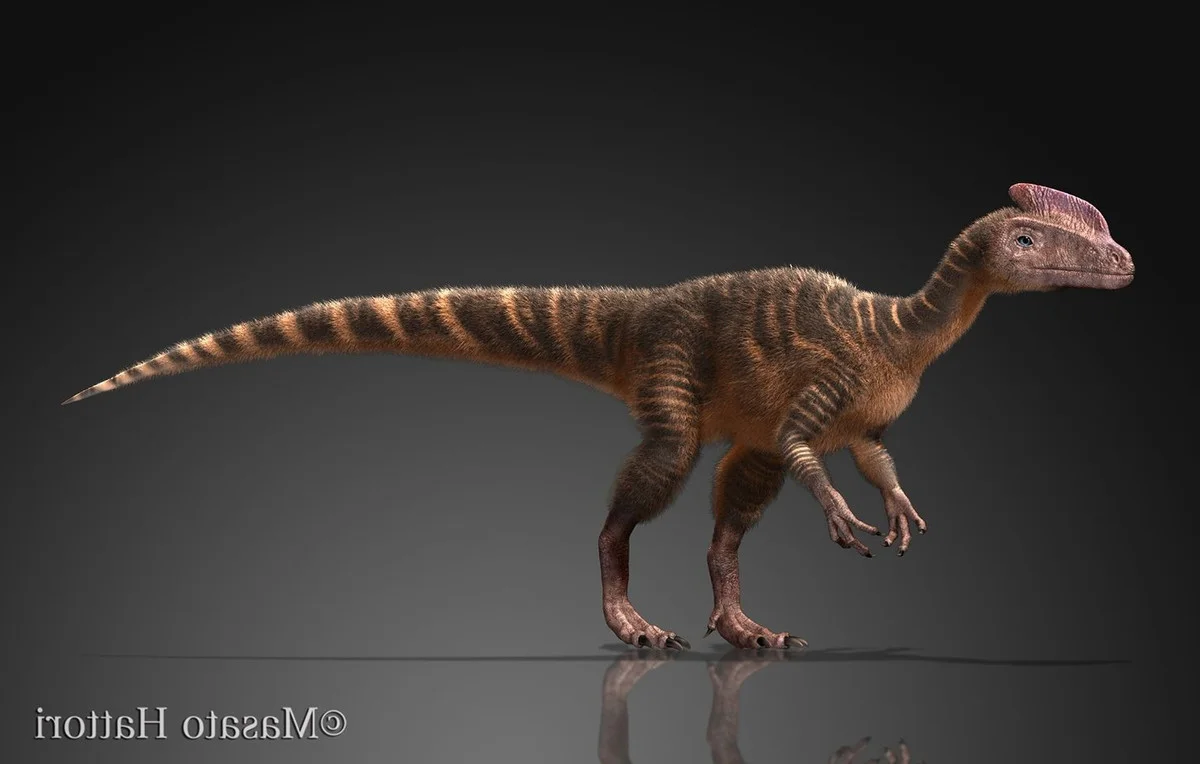
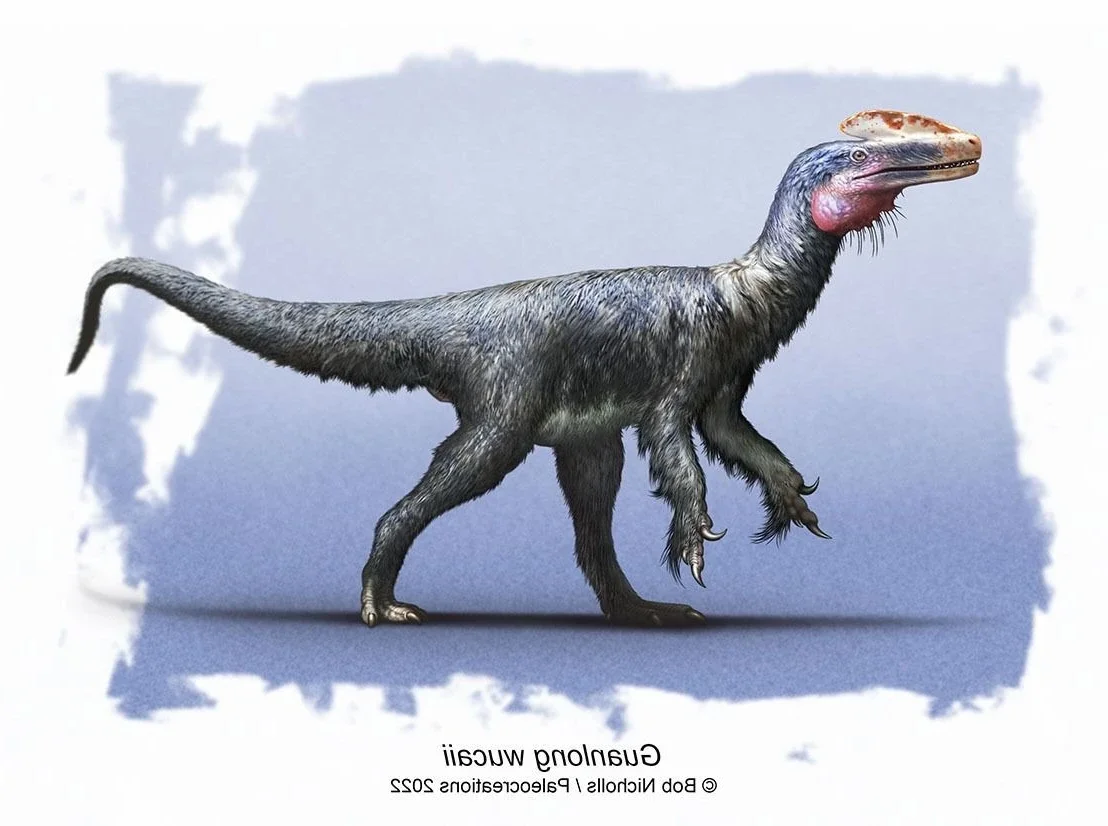
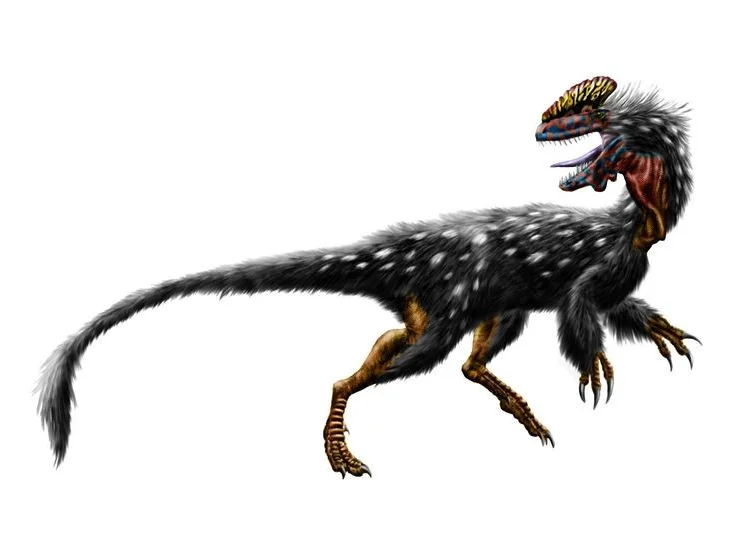
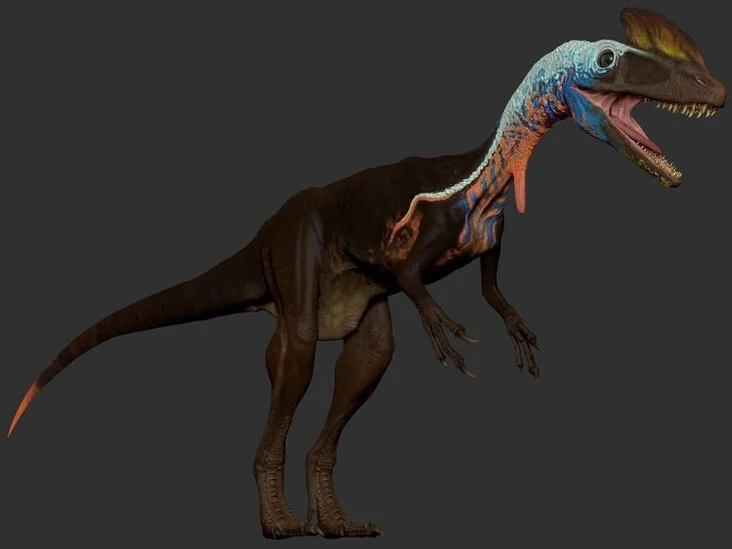
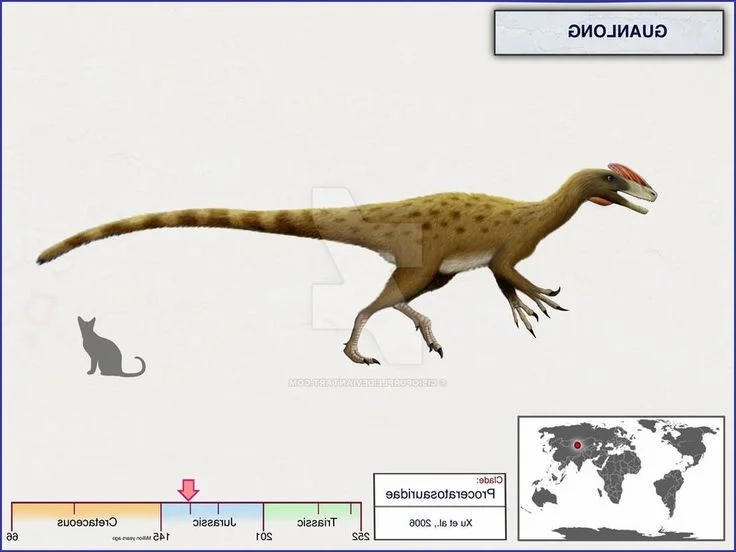
Meet Guanlong: The Bizarre Crested Ancestor of the Tyrannosaurus Rex and the Fascinating Evolution of Prehistoric Predators
Have you ever wondered what the mighty Tyrannosaurus Rex looked like before it became the undisputed king of the dinosaurs? Meet Guanlong wucaii, a fascinating and somewhat bizarre ancestor that roamed the earth millions of years before its famous descendant. This primitive tyrannosauroid, discovered in the fossil-rich Junggar Basin of China, offers a shocking and detailed glimpse into the evolutionary journey of the world's most feared predator.Unlike the massive, bone-crushing T-Rex we often see in films, Guanlong was a much smaller, agile theropod. Its most striking physical feature is the delicate, hollow crest atop its head, which scientists believe was used for social display or species recognition rather than combat. Despite its modest size, Guanlong possessed the sharp teeth and predatory instincts that hint at the apex predator lineage to follow. This discovery has become a cornerstone in modern paleontology, providing essential clues about how small, feathered creatures evolved into the giants of the Cretaceous period.
Exploring the history of Guanlong helps us understand the complex and often surprising tree of life. For dinosaur enthusiasts and science lovers across the US and Europe, this prehistoric marvel represents the incredible diversity of the Jurassic era. Whether you are a student of paleontology or simply a fan of natural history, the story of this 'crowned dragon' is a testament to the wonders of evolution and the secrets still hidden within the earth's strata. Dive into the world of ancient fossils and discover the roots of the Tyrannosaurus Rex today.
#DinosaurEvolution , #GuanlongWucaii , #PrehistoricLife , #PaleontologyNews , #TyrannosaurusRex , #JurassicWorld , #FossilDiscovery , #AncientHistory
Comment
Tran Tan
2026-02-20 14:41:42.217576
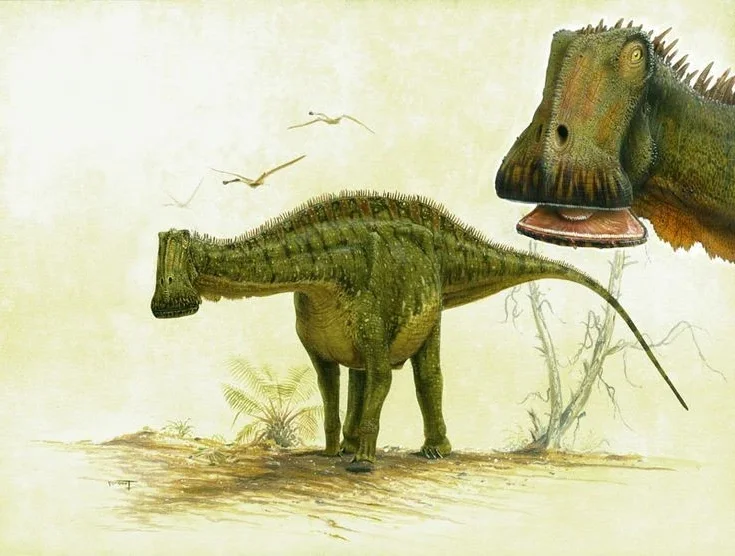
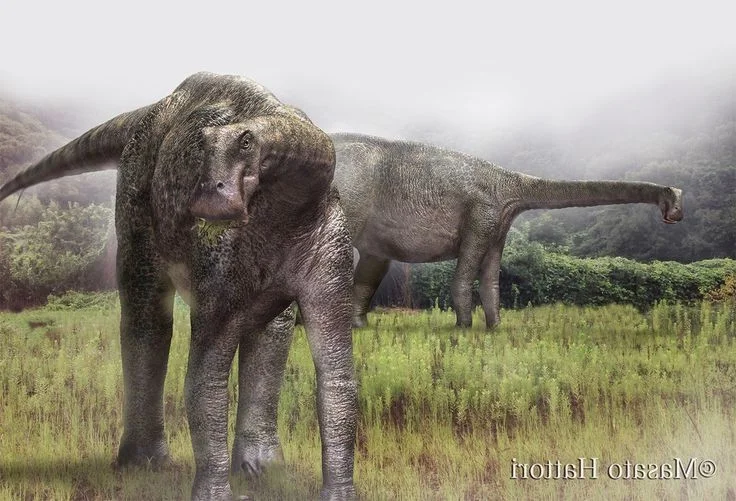
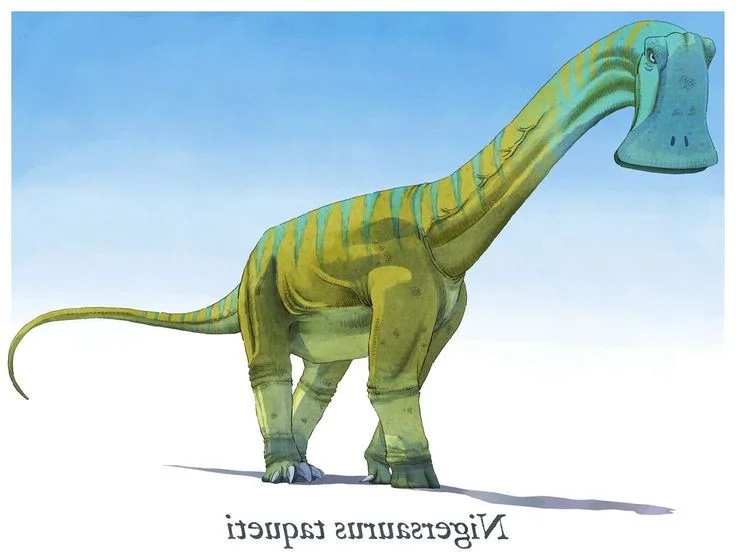
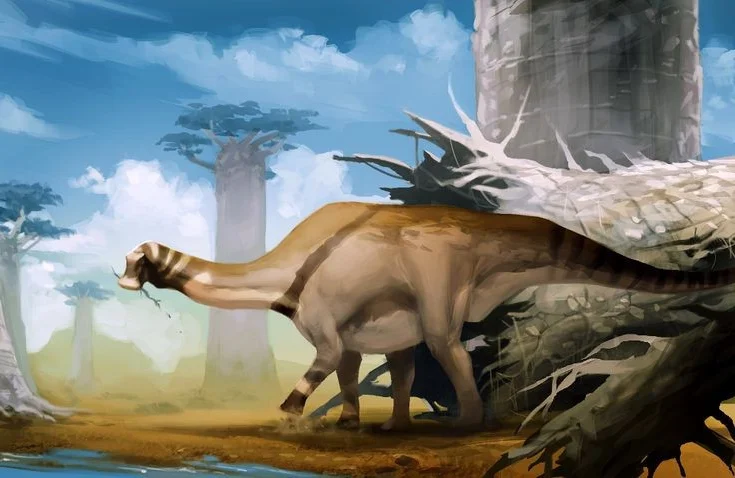
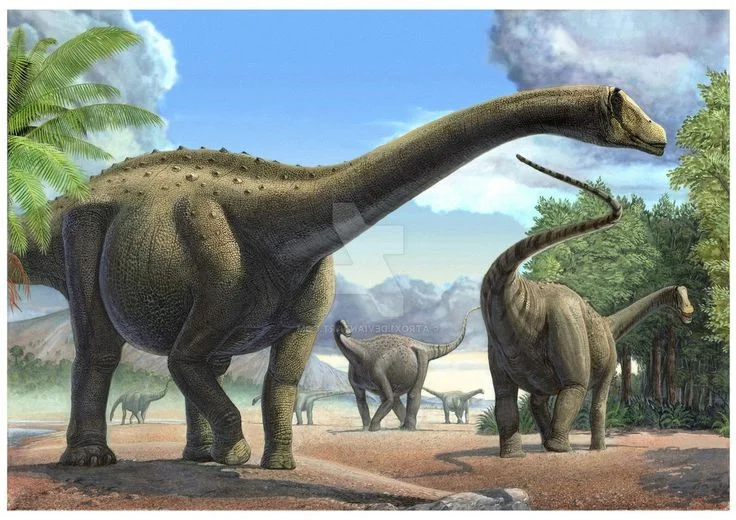
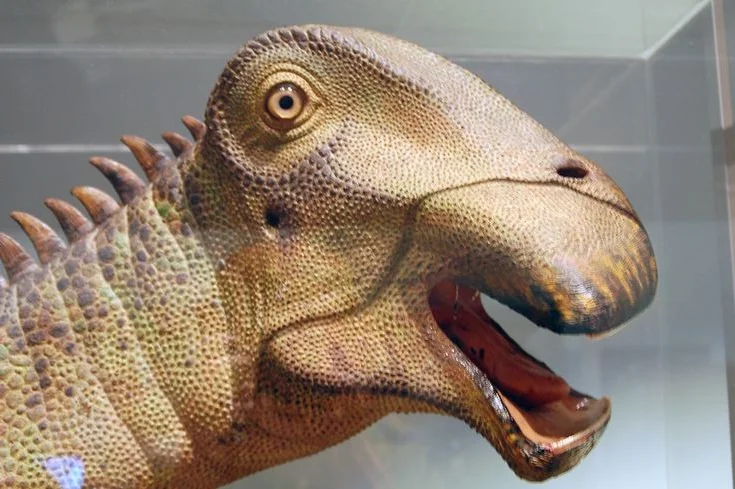
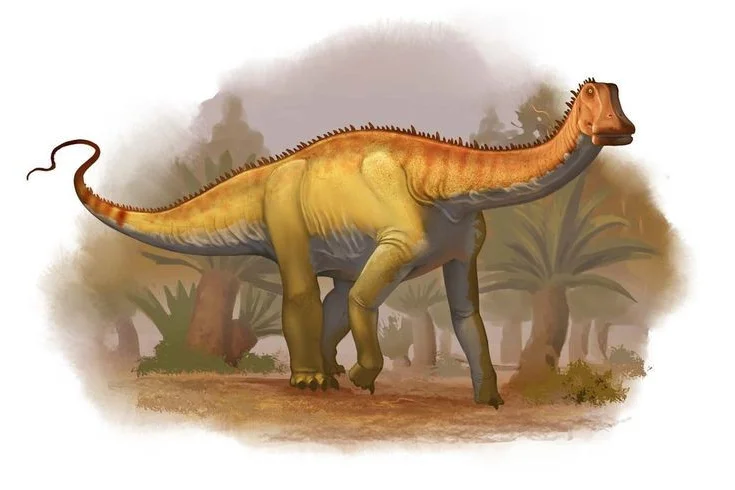
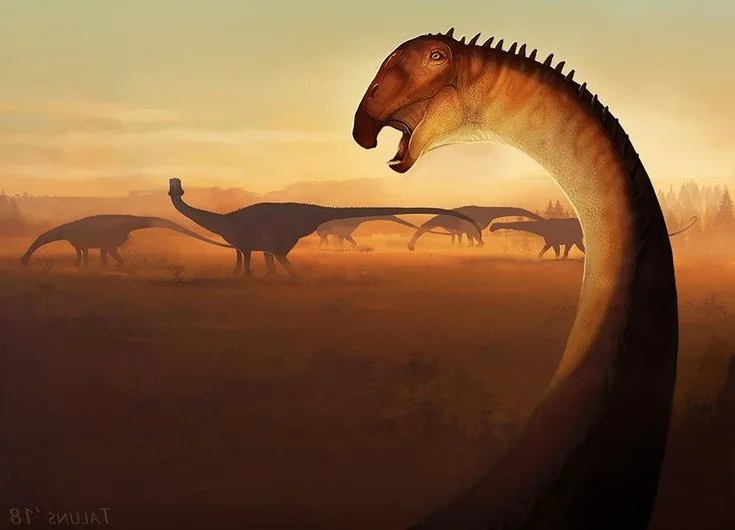
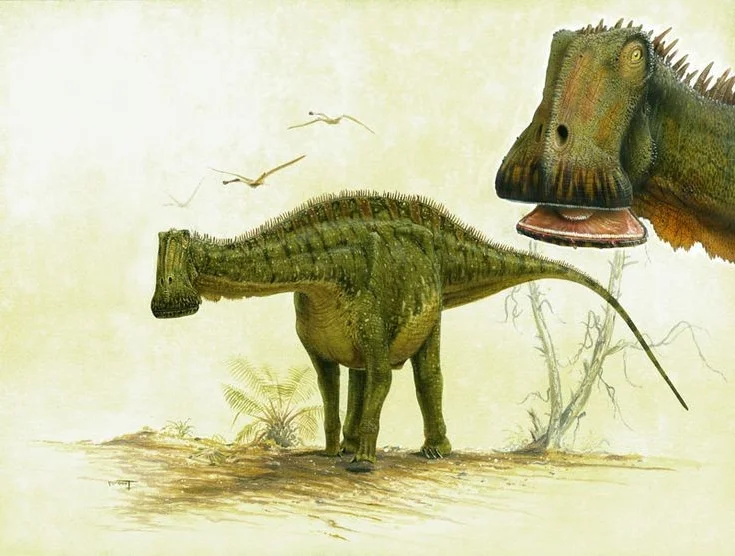
Discover Nigersaurus: The Prehistoric Lawnmower Dinosaur with a Unique Dental Battery and Fascinating Anatomy
Step back in time to the Cretaceous period and meet one of the most bizarre creatures to ever roam the earth: the Nigersaurus. Often dubbed the 'lawnmower of the dinosaur world,' this fascinating sauropod is famous for its incredibly unique skull structure and specialized feeding habits. Originally discovered in the Elrhaz Formation in what is now the Sahara Desert, the Nigersaurus taqueti possessed a wide, straight-edged muzzle that functioned perfectly for grazing on low-lying vegetation with extreme efficiency.What truly sets this dinosaur apart is its specialized dental battery. It featured over 500 slender teeth arranged in tight columns, which were replaced constantly—some as often as every 14 days. This evolutionary marvel allowed the Nigersaurus to maintain a sharp cutting edge for its strictly herbivorous diet. Despite its long neck, biomechanical research suggests that Nigersaurus naturally held its head low to the ground, behaving much like a modern-day vacuum cleaner or lawnmower.
Its skull was remarkably delicate, with bones so thin they were almost translucent, making it a masterpiece of biological engineering. For paleontology enthusiasts and history buffs, the Nigersaurus represents the incredible diversity and niche adaptation of life during the Mesozoic era. Exploring the evolution of this African giant provides a unique window into the ancient ecosystems of our planet. This creature remains a favorite for educators and dinosaur fans alike due to its 'horror-like' yet highly functional set of teeth.
#Nigersaurus , #PrehistoricLife , #DinosaurDiscovery , #PaleontologyFacts , #NaturalHistory , #CretaceousPeriod , #AncientCreatures
detlef Fürstenfeld
2026-02-20 13:04:43.367511
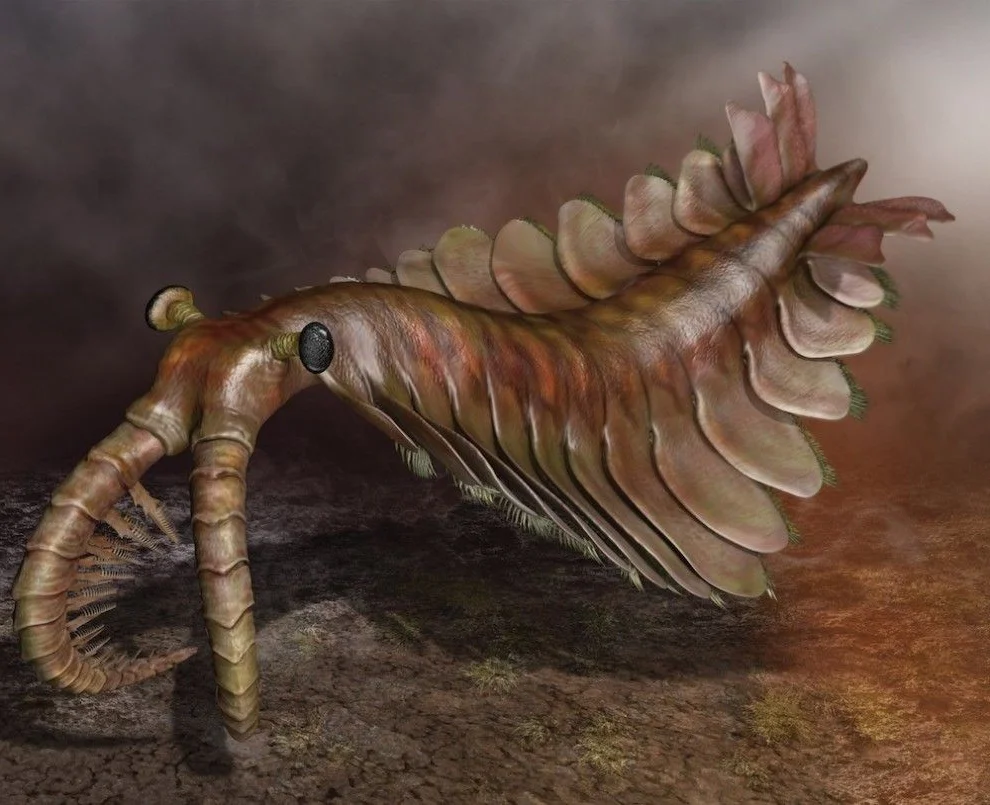
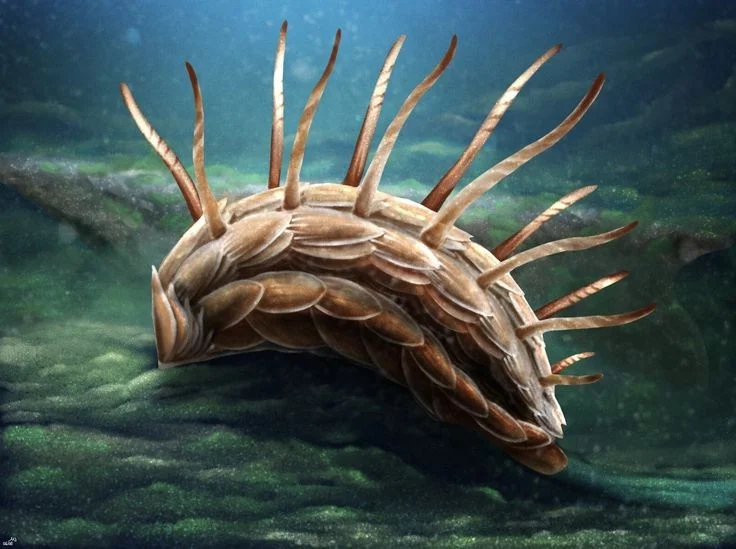
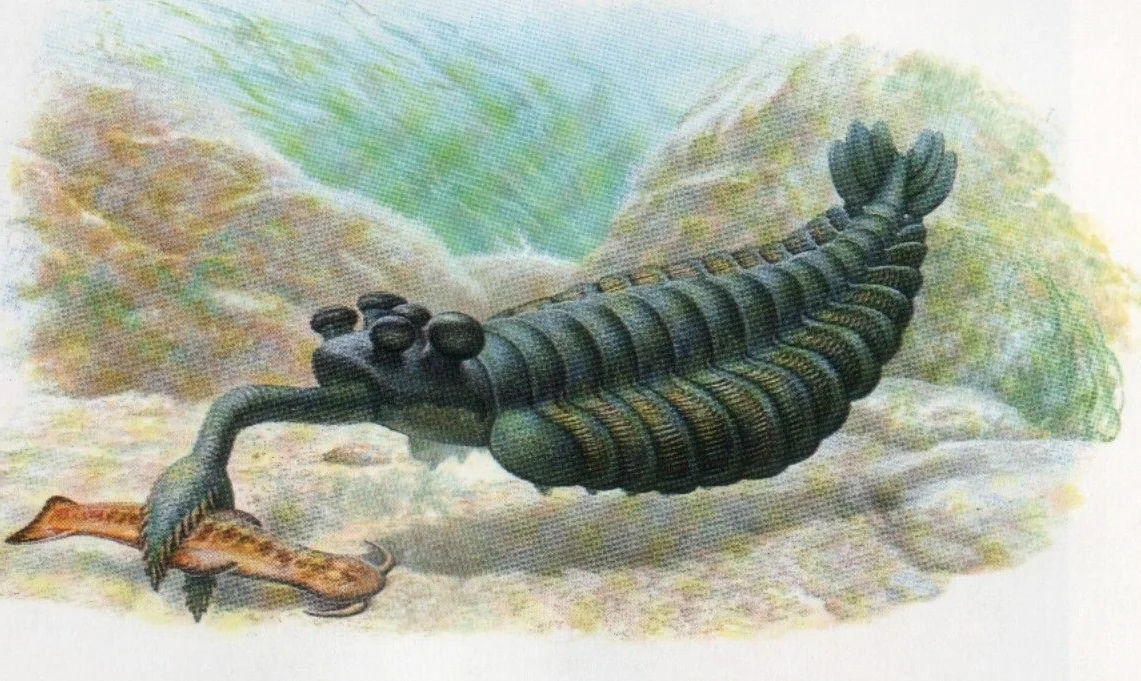
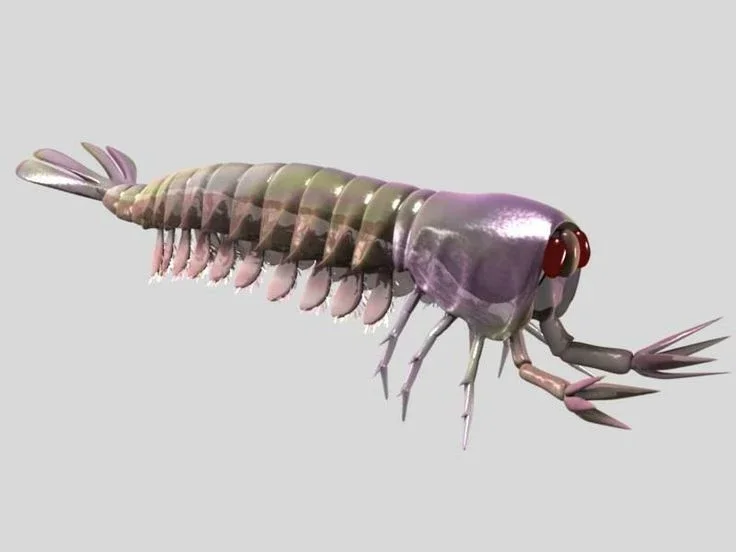
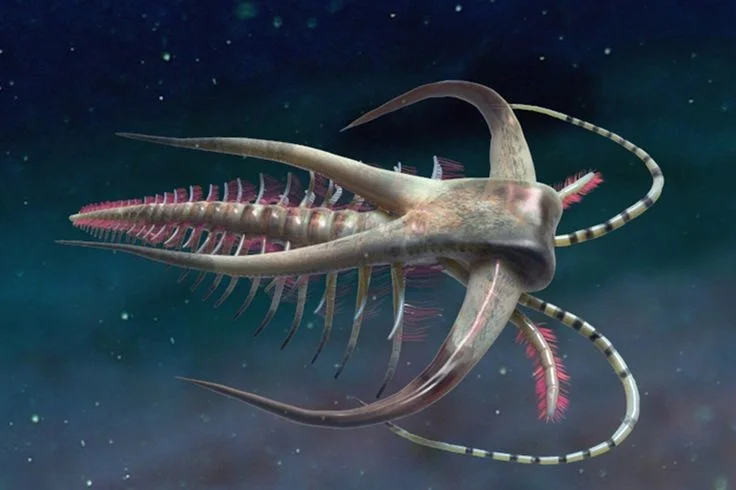
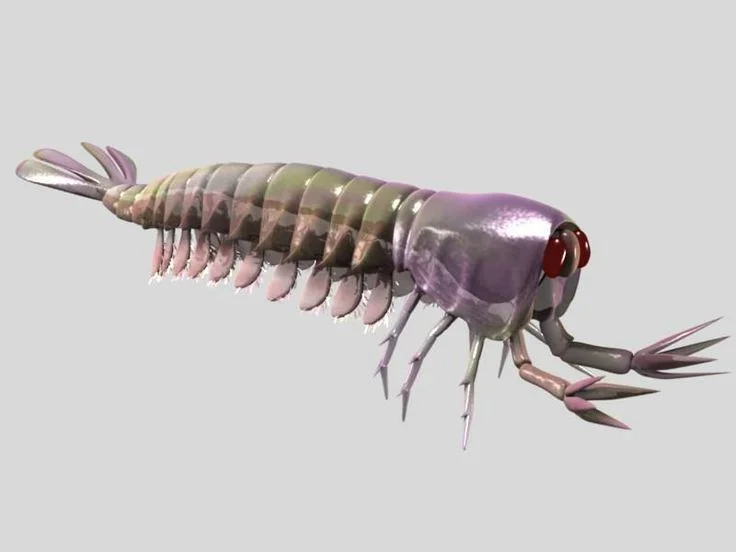
Bizarre Wonders of the Cambrian Explosion: Exploring the Alien-Like Ancient Marine Creatures That Redefined Evolutionary History
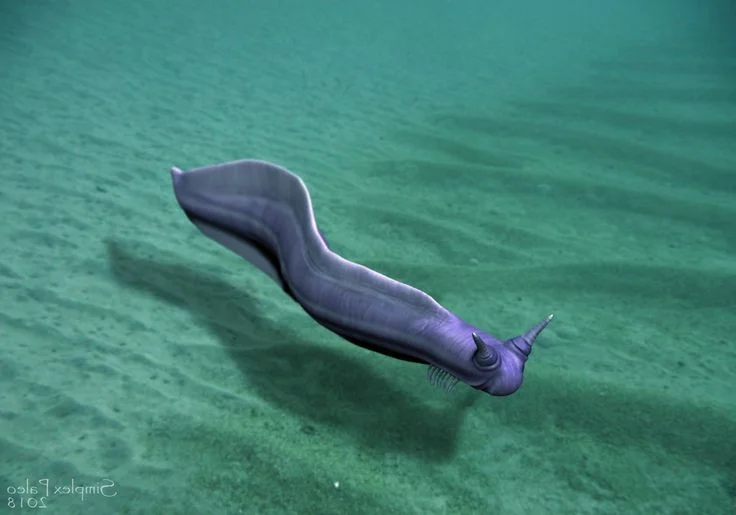
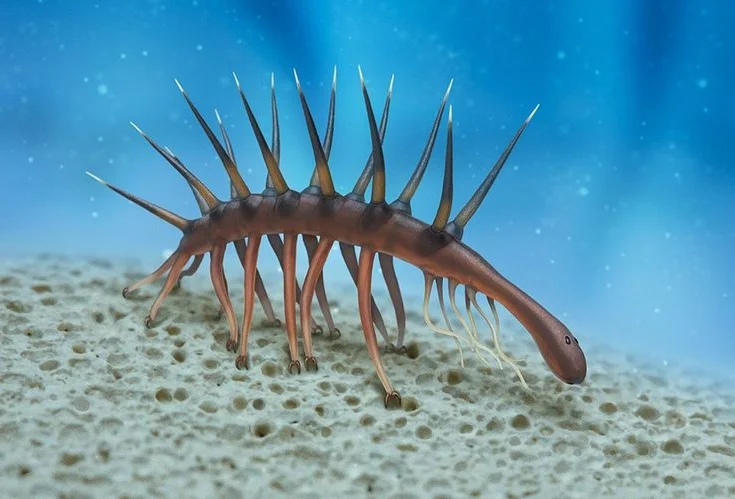
Take a deep dive into the mysterious depths of the ancient oceans with a look at the bizarre creatures of the Cambrian Explosion. Over 500 million years ago, Earth witnessed a biological revolution that produced some of the most unusual life forms ever discovered. These prehistoric marine organisms, often referred to as 'weird wonders,' have challenged everything scientists once thought they knew about early animal evolution and the origins of life on Earth.From the five-eyed Opabinia regalis with its vacuum-like proboscis to the spiny, surreal Hallucigenia, these fossils tell a story of a world that feels more like science fiction than natural history. Discovered primarily in fossil-rich sites like the Burgess Shale, these specimens represent a time of rapid diversification where nature experimented with radical body plans that are unlike anything alive today. Understanding these ancient species is crucial for tracing the lineage of modern vertebrates and understanding the roots of biodiversity on our planet.
Whether you are a paleontology enthusiast or simply fascinated by the mysteries of the deep past, the Cambrian Period offers an incredible glimpse into the dawn of complex life. These ancient marine fossils serve as a reminder of the strange and beautiful paths evolution has taken over hundreds of millions of years. Explore the fascinating world of paleoart and scientific discovery as we uncover the secrets of these long-extinct inhabitants of the primeval seas. This collection highlights the unique morphology and ecological significance of the era's most iconic species, including the formidable Anomalocaris, ensuring their place in the annals of natural history remains unforgettable.
#CambrianExplosion , #PrehistoricLife , #MarinePaleontology , #AncientCreatures , #EvolutionaryHistory , #FossilDiscovery , #BurgessShale , #NaturalHistory
Kuşadası
2026-02-20 12:46:42.372968
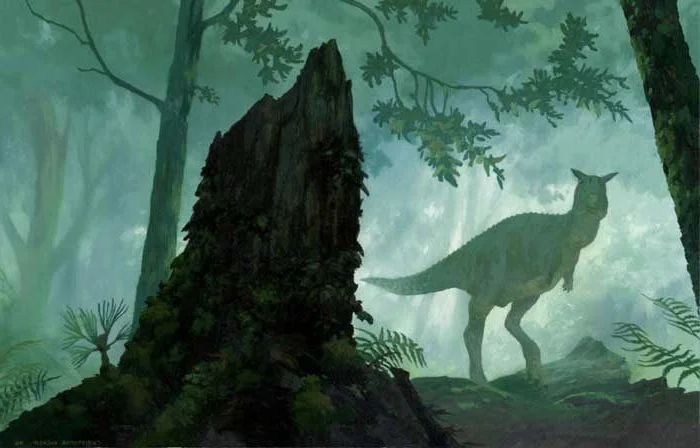
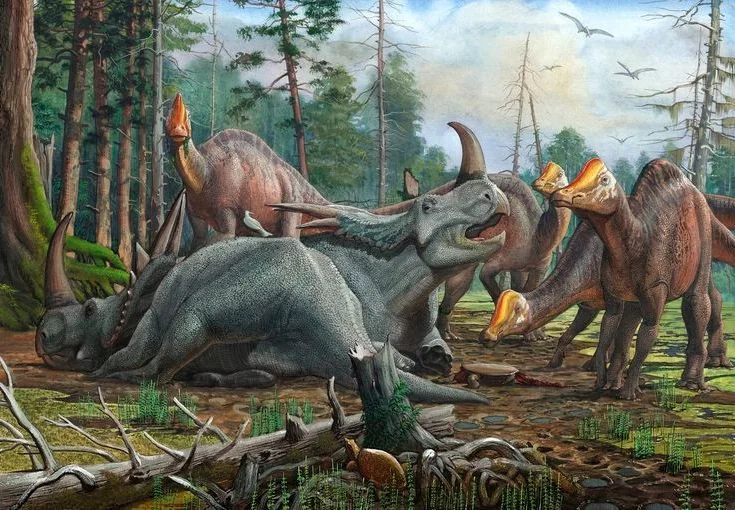
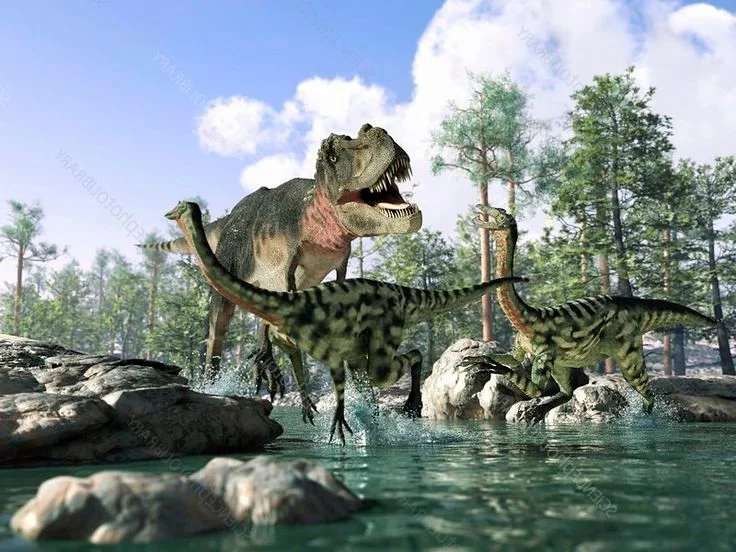
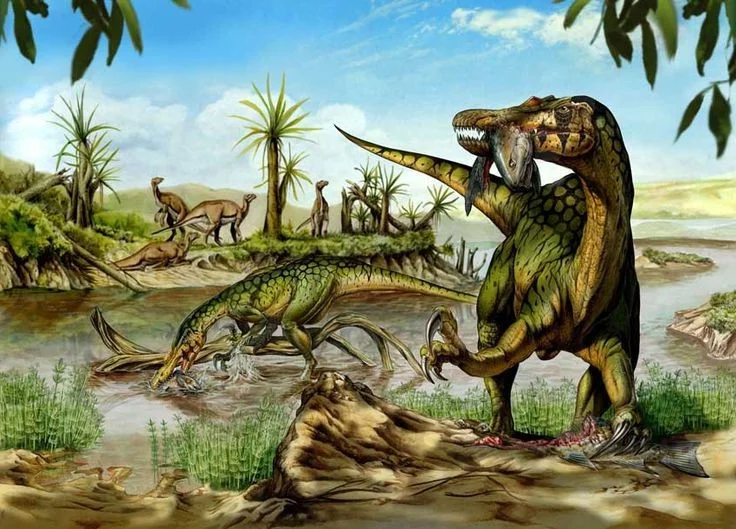
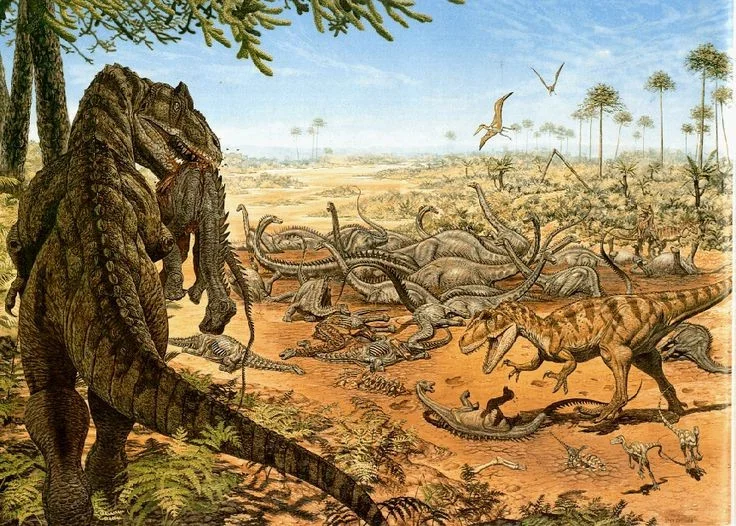
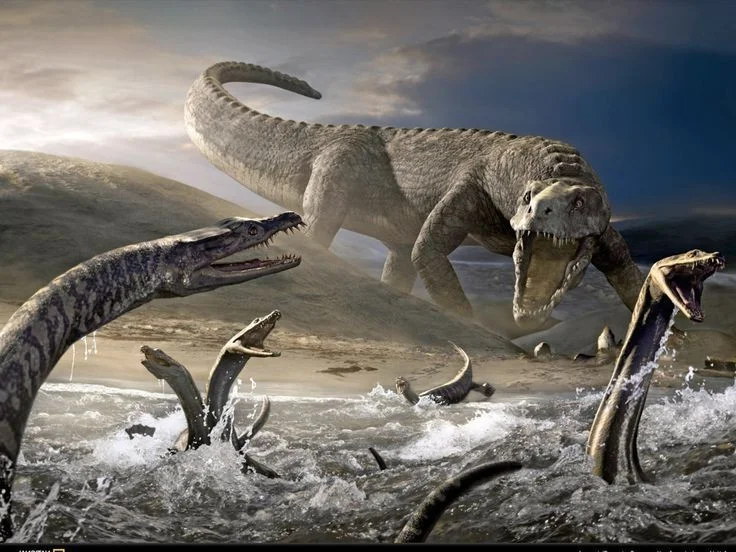
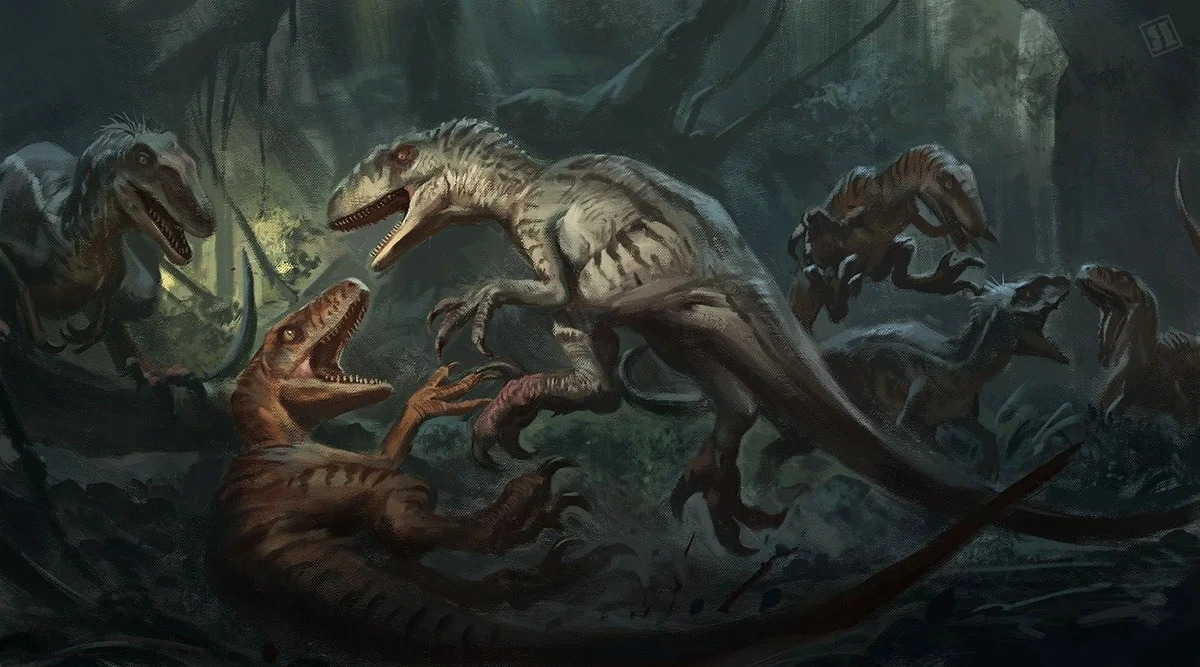
What If Dinosaurs Never Went Extinct? Exploring an Alternate Timeline of Earth’s Evolution and the Survival of Ancient Giants.
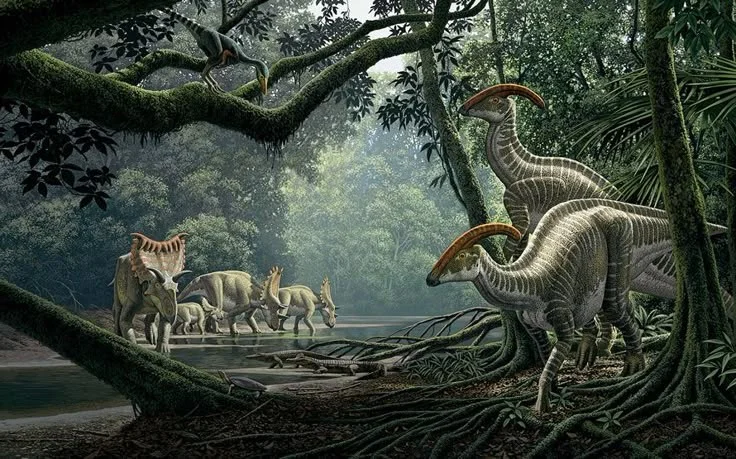
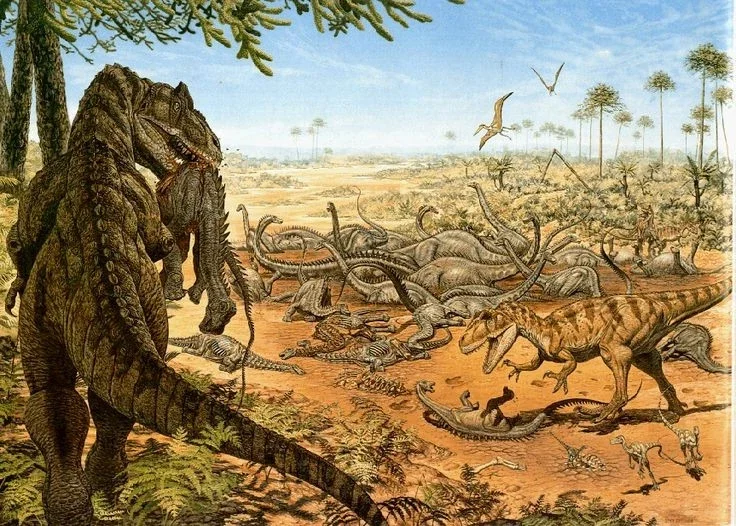
Have you ever wondered what the world would look like if the cataclysmic asteroid that ended the Cretaceous period had missed Earth? This fascinating exploration into speculative biology dives deep into the ultimate 'what if' of dinosaur survival. If the mass extinction event hadn't occurred 66 million years ago, the trajectory of life on our planet would be completely unrecognizable today. Large reptiles might still dominate the global landscape, potentially evolving into highly intelligent beings or adapting to modern climates in ways we can only imagine.In this alternate timeline, the rise of mammals—and subsequently, humans—might have been stifled or entirely prevented. Small, nocturnal mammals would likely have remained in the shadows of giants like the Tyrannosaurus Rex or the agile Velociraptor. The biodiversity of our oceans and forests would follow a path dictated by reptilian dominance rather than mammalian expansion. This visual journey through ancient history and evolutionary science examines how climate change, natural selection, and ecological niches would have shifted over millions of years without the vacuum left by the extinction.
From the potential evolution of the 'Dinosauroid' to the survival of herbivorous titans in modern grasslands, we analyze the scientific theories that challenge our understanding of prehistoric life. Perfect for paleontology enthusiasts and fans of speculative fiction, this deep dive into Earth's history provides a unique perspective on the fragility of life. Reference ID: e0b1caef-ff69-4434-aae4-89bcf19bfc81. Join us as we reimagine a world where the Mesozoic era never truly ended and the giants of old still walk among us.
#WhatIfDinosaurs , #PrehistoricLife , #EvolutionaryBiology , #PaleontologyFacts , #AlternateHistory , #DinosaurEvolution , #MesozoicEra
Van Lon To
2026-02-19 10:43:03.545601
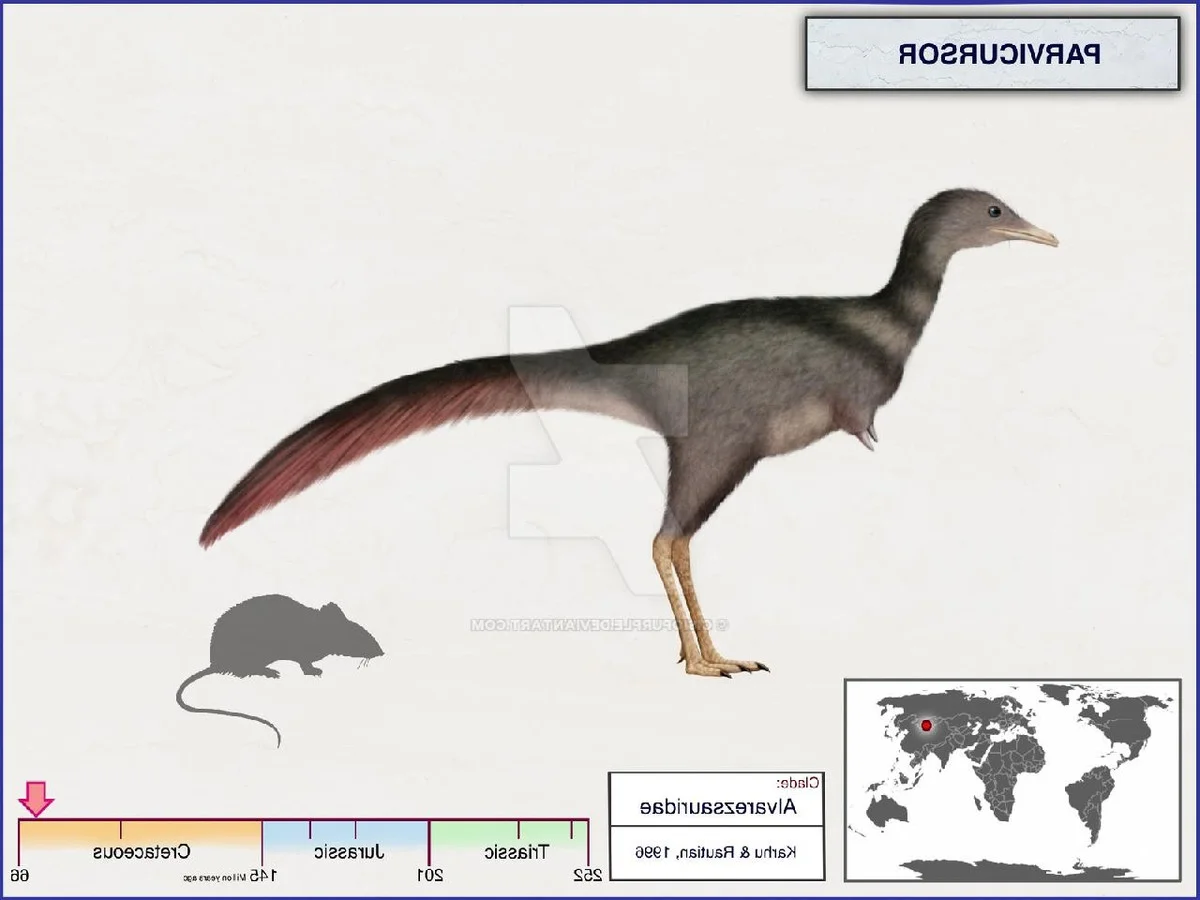
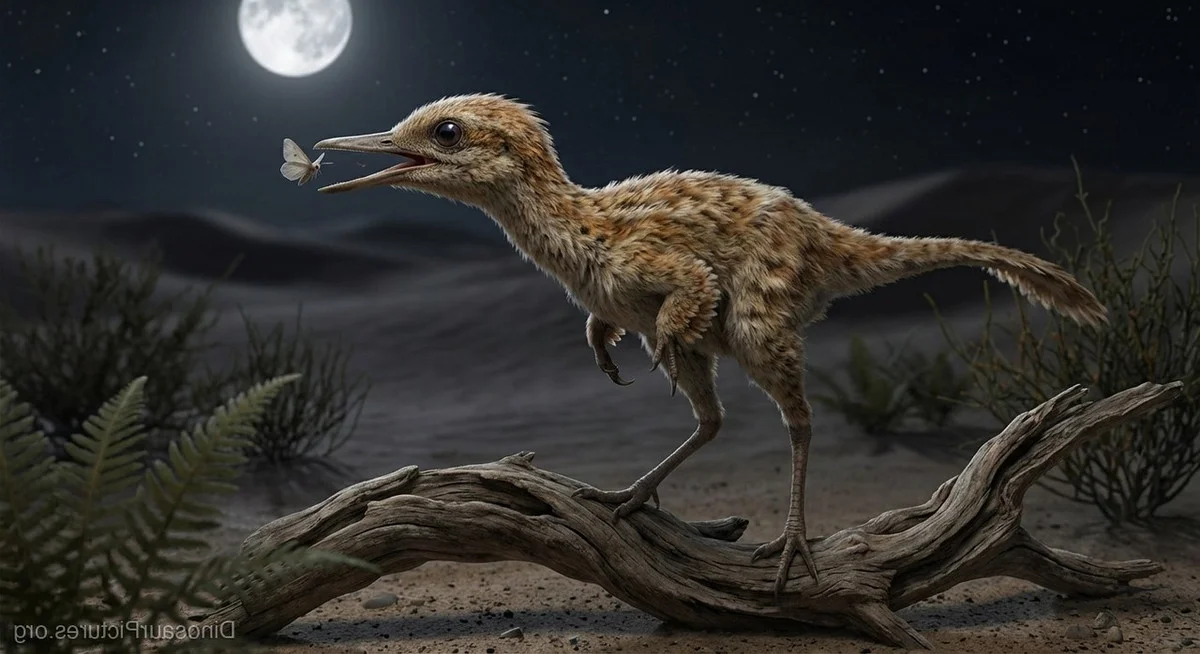
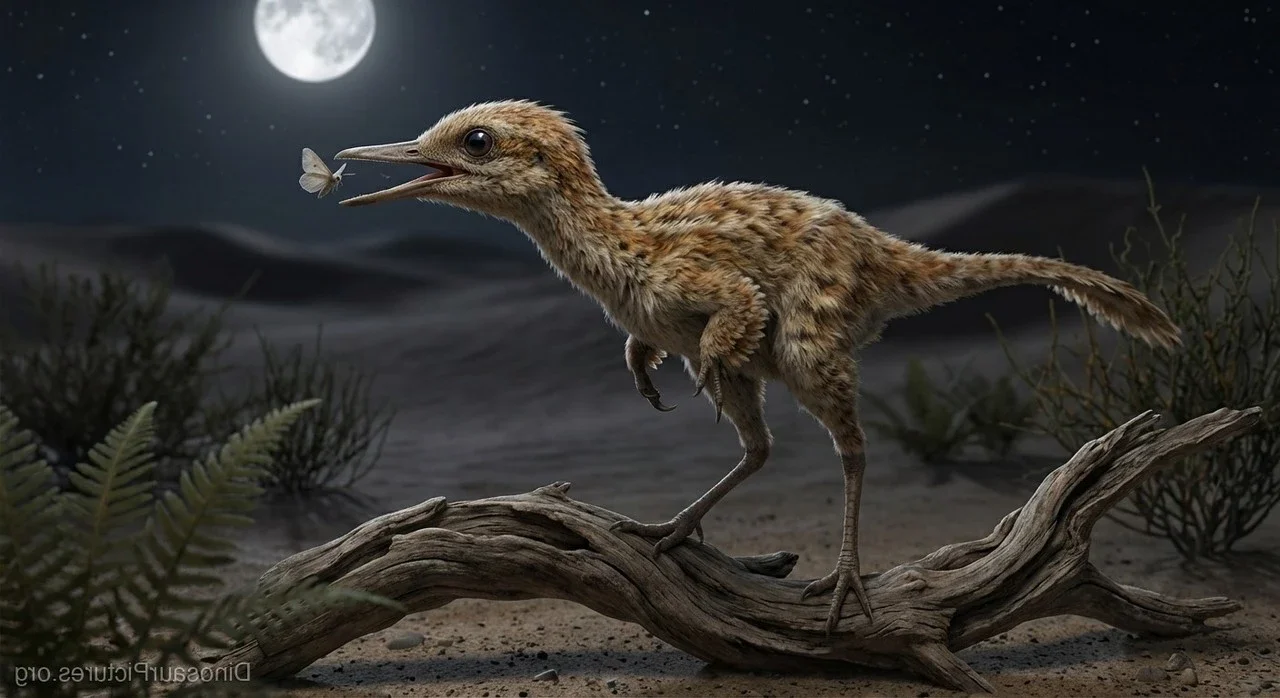
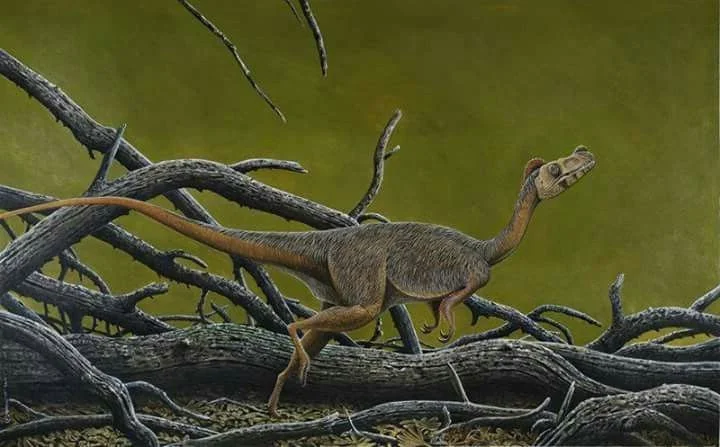
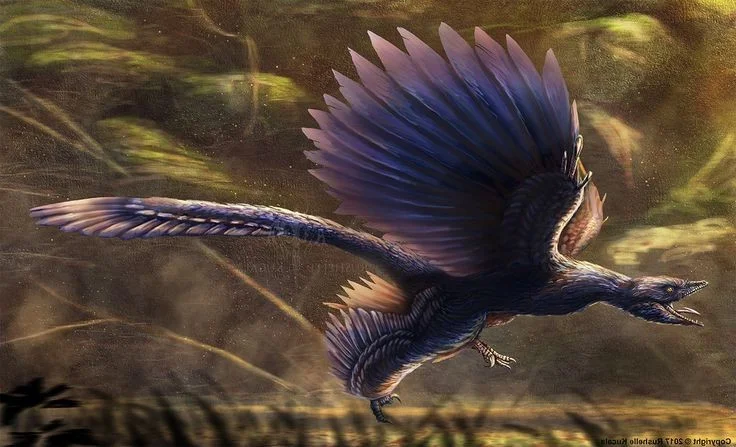
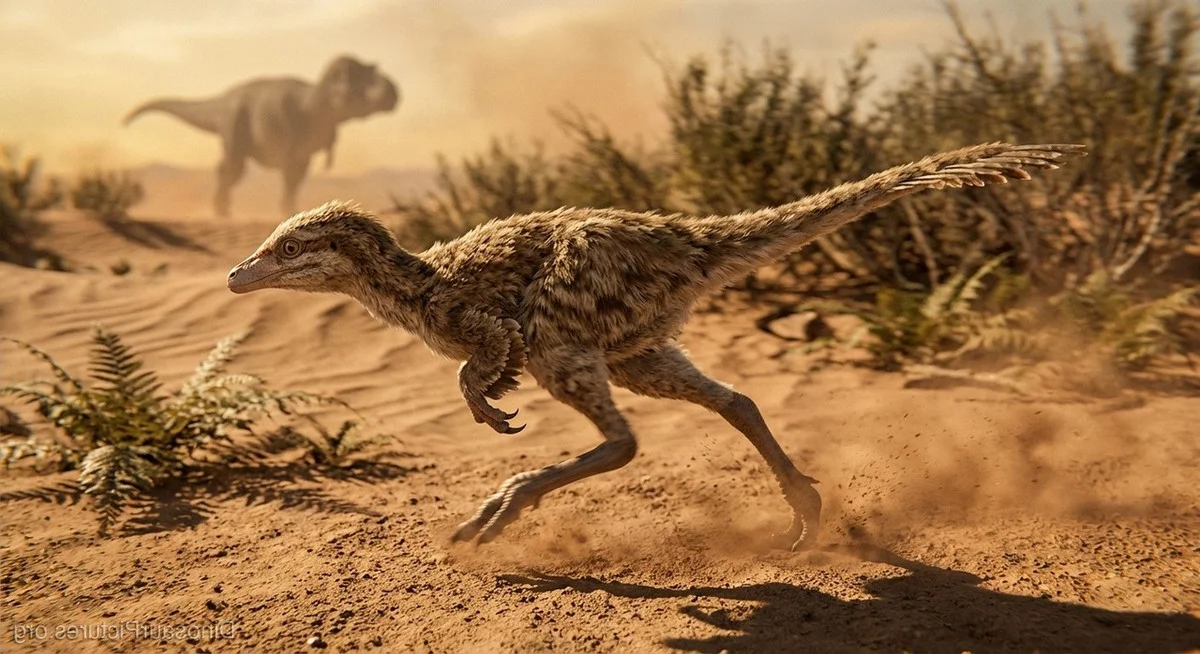
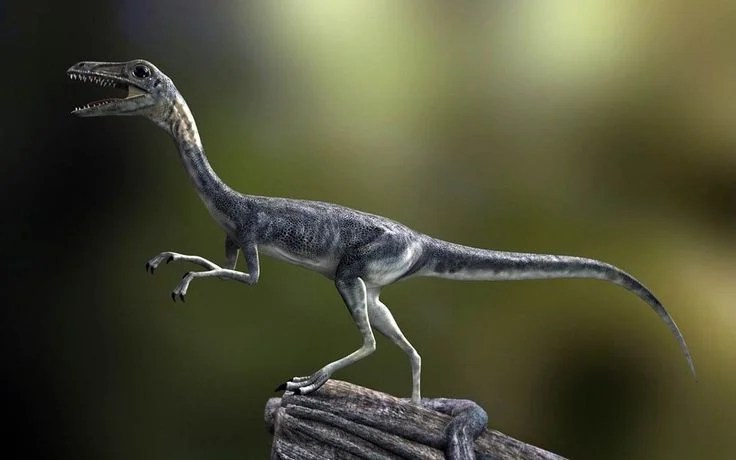
Tiny Wonders: Discovering the Smallest Dinosaurs Ever Found and the Secrets of Prehistoric Miniature Life
When we think of the Mesozoic Era, our minds immediately jump to towering giants like the Brachiosaurus or the fearsome Tyrannosaurus Rex. However, recent fossil discoveries are painting a much more intricate picture of prehistoric life, revealing a world of incredibly tiny dinosaurs that were no larger than modern-day birds. This fascinating look into the smallest dinosaurs ever to exist challenges everything we thought we knew about the age of reptiles.From the bird-like Microraptor to the controversial Oculudentavis khaungraae preserved in ancient amber, these miniature creatures showcase the incredible biodiversity and evolutionary adaptation of the time. These tiny species occupied unique ecological niches, often developing flight or specialized hunting techniques to survive alongside their massive cousins. Examining these rare fossils provides invaluable insights into how some dinosaur lineages eventually evolved into the birds we see in our backyards today.
Whether you are a paleontology enthusiast or simply curious about natural history, exploring the survival strategies of these compact creatures is a journey through a hidden side of evolution. Their existence proves that size wasn't the only way to dominate the prehistoric landscape. This collection of imagery highlights the delicate features and complex biology of these small-scale wonders, ensuring they finally get the spotlight they deserve. Dive into the history of the smallest dinosaurs and discover how these tiny beings left a massive impact on the story of life on Earth.
#SmallestDinosaurs , #PrehistoricLife , #Paleontology , #FossilDiscovery , #DinosaurEvolution , #NaturalHistory , #AncientCreatures
jeidi
2026-02-14 22:22:58.436976
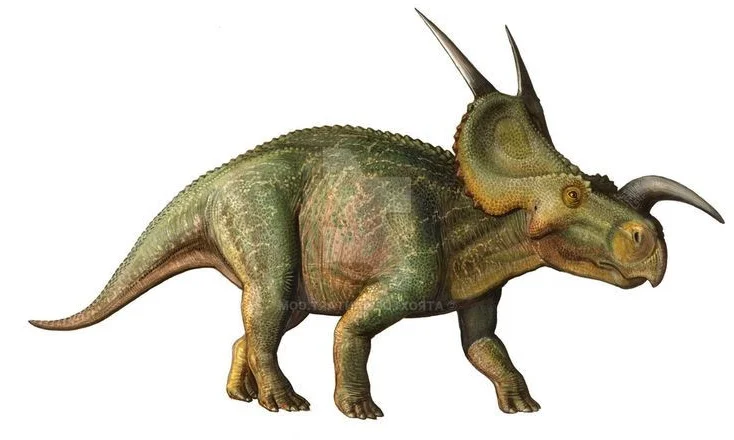
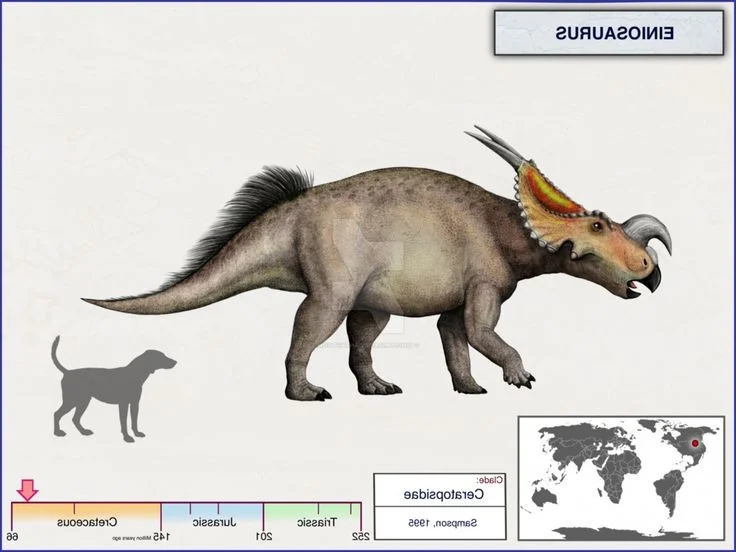
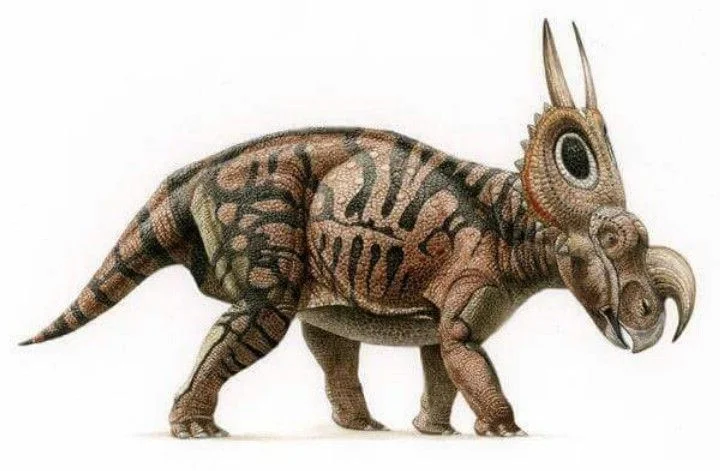
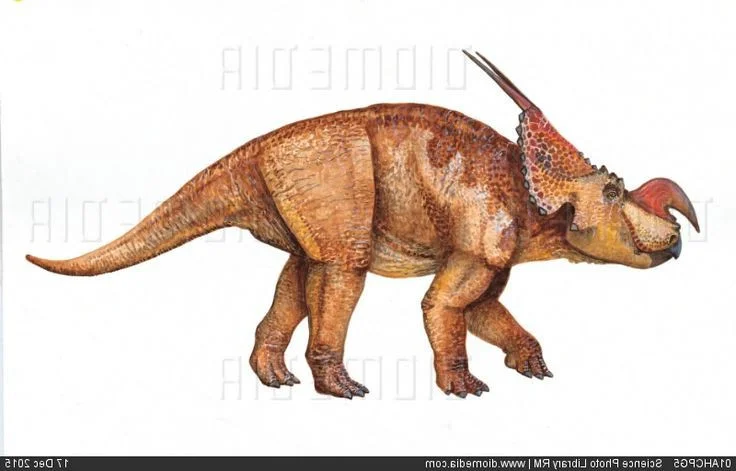
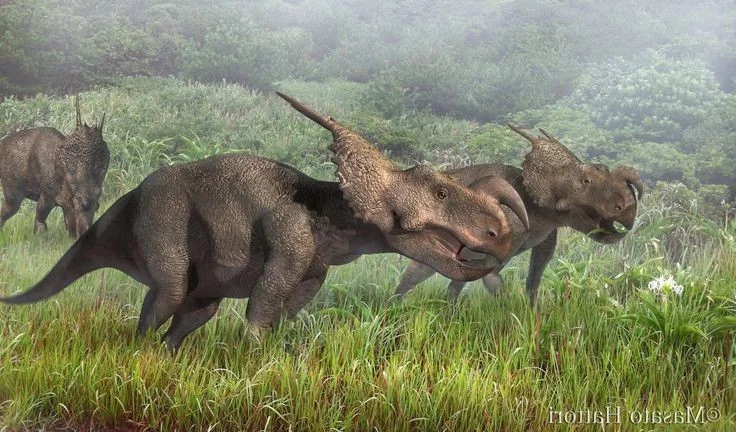
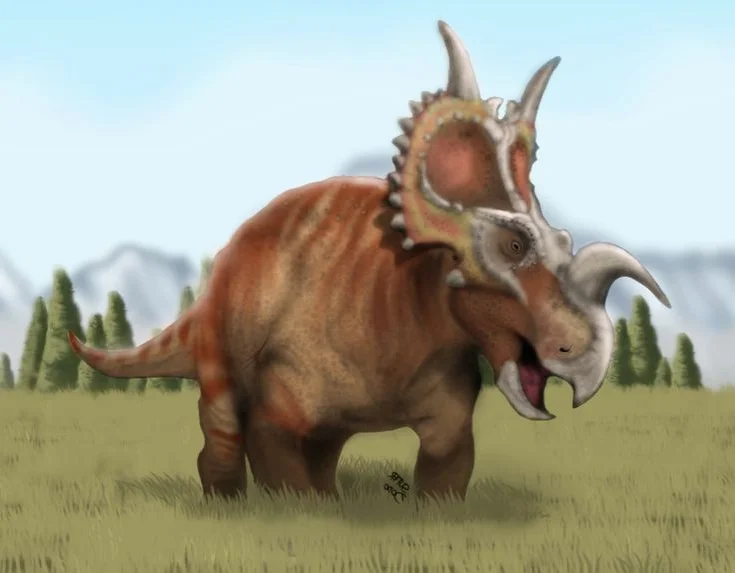
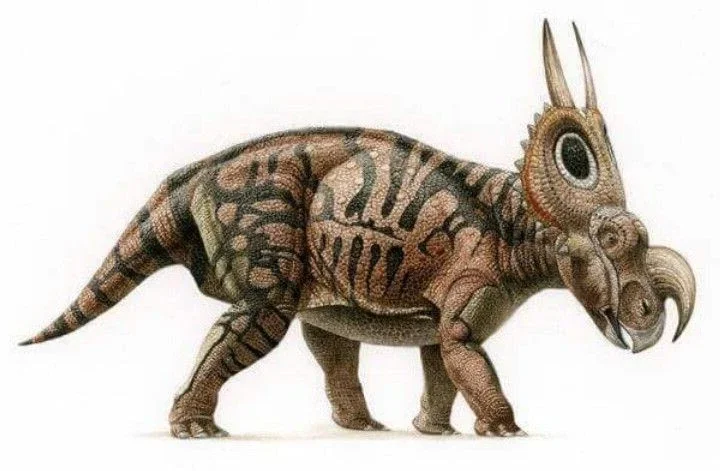
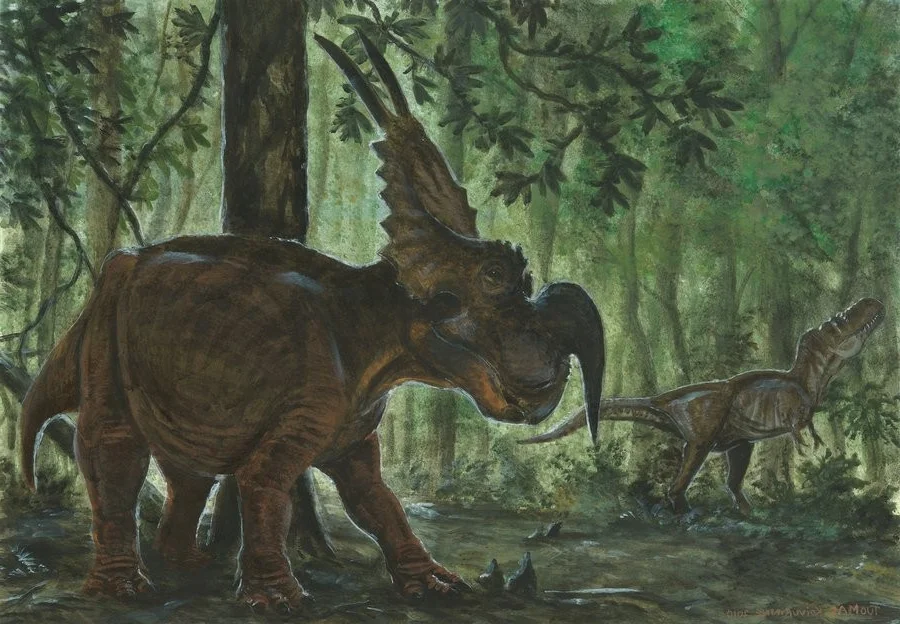
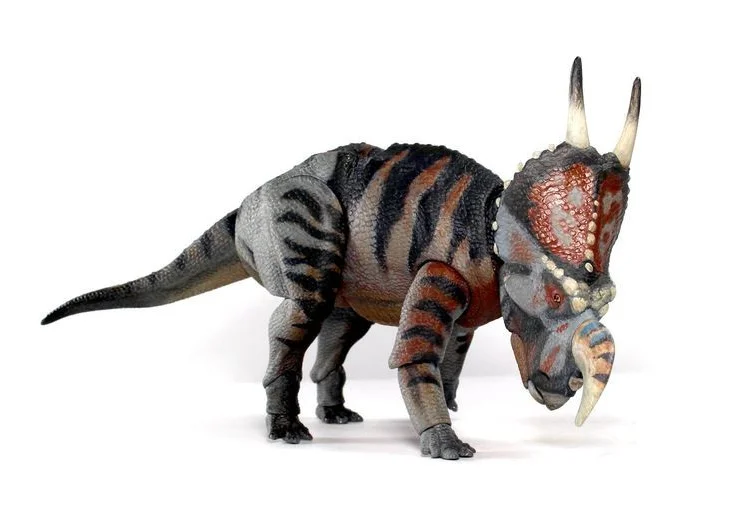
Discover Einiosaurus: The Fascinating Hook-Horned Ceratopsian Dinosaur of the Late Cretaceous Period Found in Montana's Fossil Beds
Travel back millions of years to the Late Cretaceous period and discover the Einiosaurus, one of the most visually striking members of the ceratopsian family. This remarkable prehistoric herbivore, which grew to approximately 6 meters in length, is instantly recognizable by its bizarre, forward-curving nasal horn that resembles a large hook or a can opener. Unlike the straight or upward-pointing horns of its famous relatives like the Triceratops, the unique horn of the Einiosaurus suggests a specialized evolutionary adaptation, likely used for social signaling or species recognition within the ancient ecosystem.Primarily found in the Two Medicine Formation of Montana, USA, Einiosaurus provides invaluable insights into the diverse life forms that once roamed North America. Fossil evidence suggests that these dinosaurs were highly social creatures that lived and traveled in large herds, a strategy that offered protection against the apex predators of the time. Beyond the hooked horn, their massive bony neck frills were equipped with two prominent spikes, further adding to their formidable and majestic appearance.
For fans of paleontology and natural history, the Einiosaurus represents the incredible variety of the "horned face" dinosaurs. Its discovery has helped scientists better understand the transition and variation within the centrosaurine lineage. Whether you are building a travel itinerary to visit world-class fossil museums or simply exploring the wonders of prehistoric life online, the story of Einiosaurus is a captivating chapter in Earth's ancient history. This hooked-horn wonder continues to fascinate researchers and dinosaur lovers alike, standing as a testament to the creative power of evolution.
#Einiosaurus , #Paleontology , #DinosaurFossils , #LateCretaceous , #NaturalHistory , #MontanaDinosaurs , #PrehistoricLife , #Ceratopsian
touchakorn
2026-02-14 21:55:45.233062
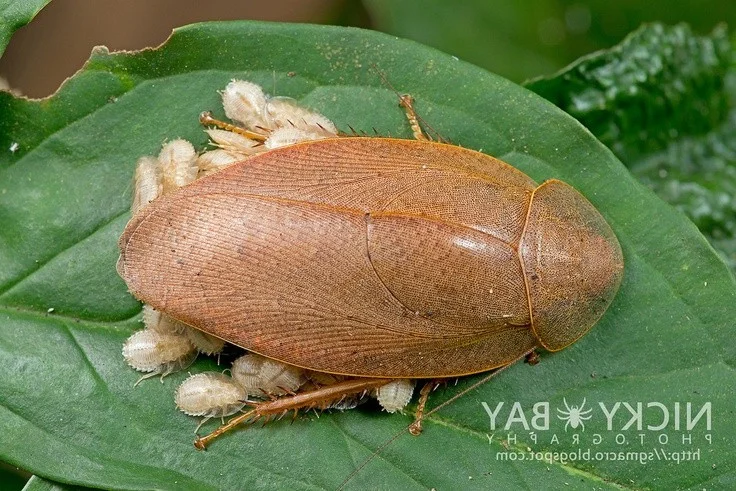
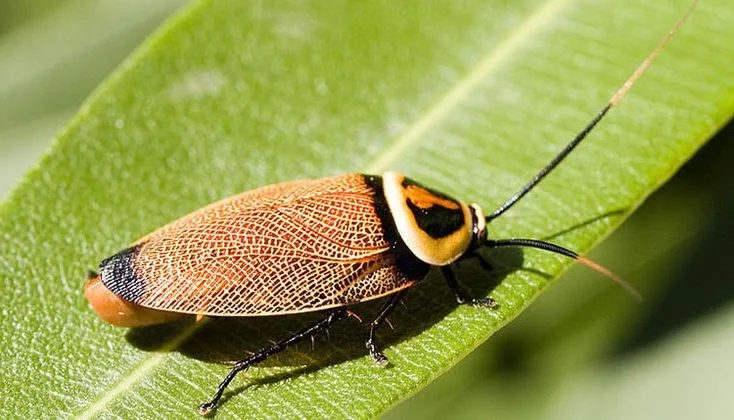
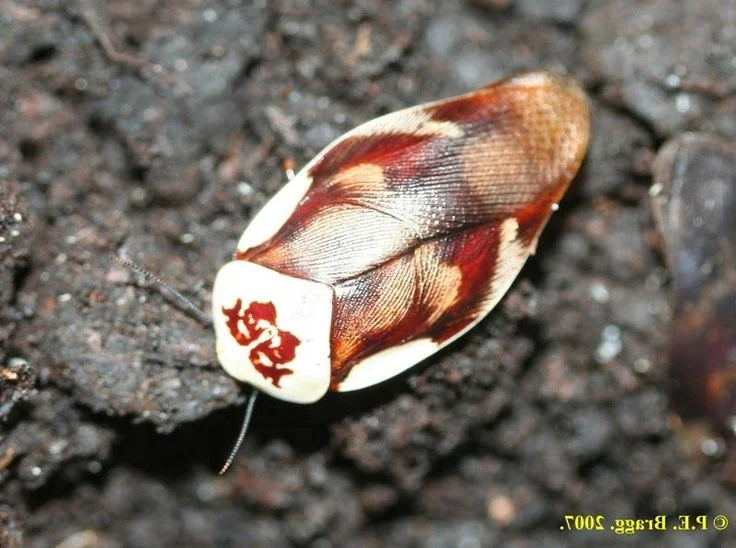
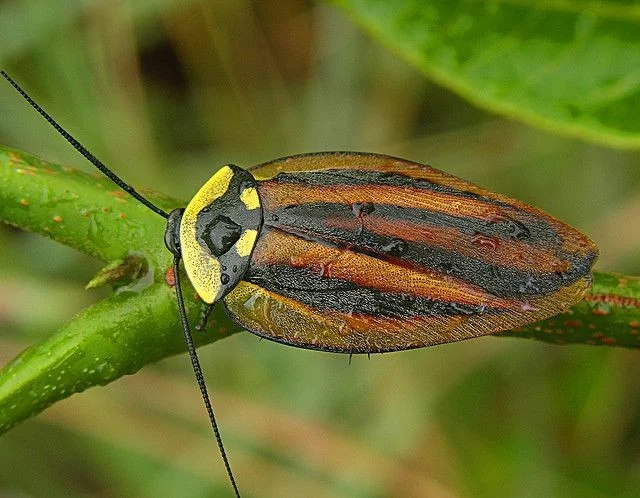
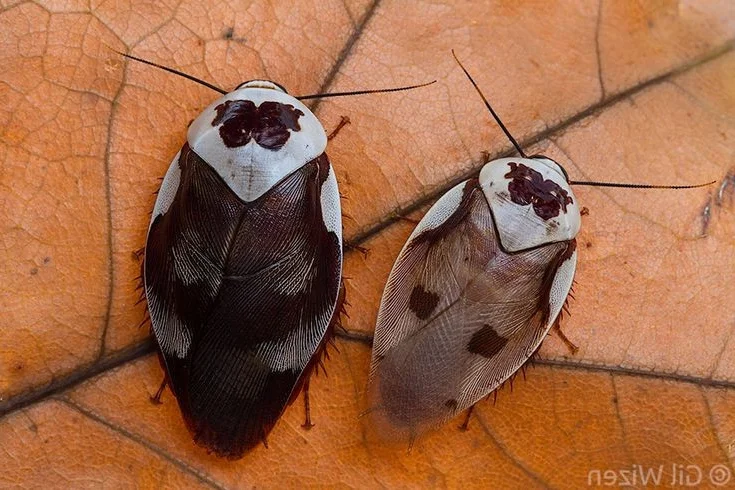
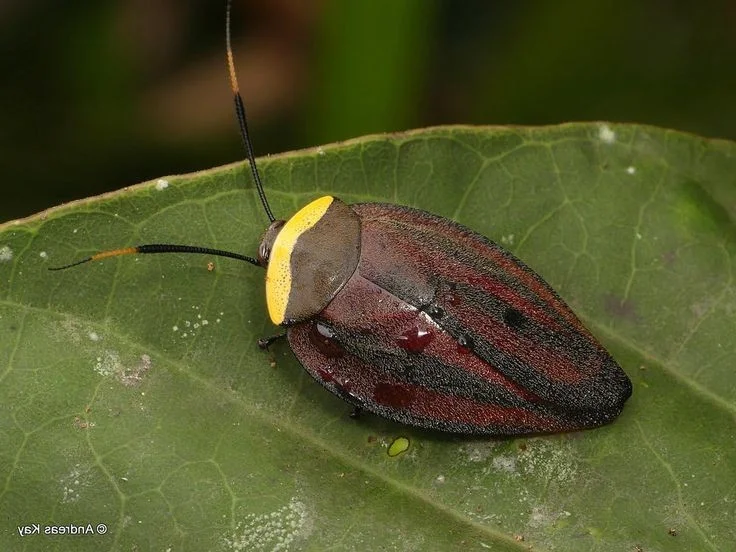
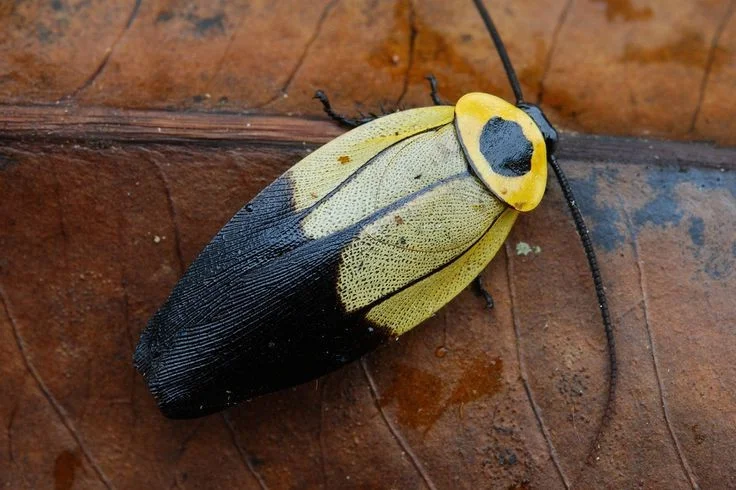
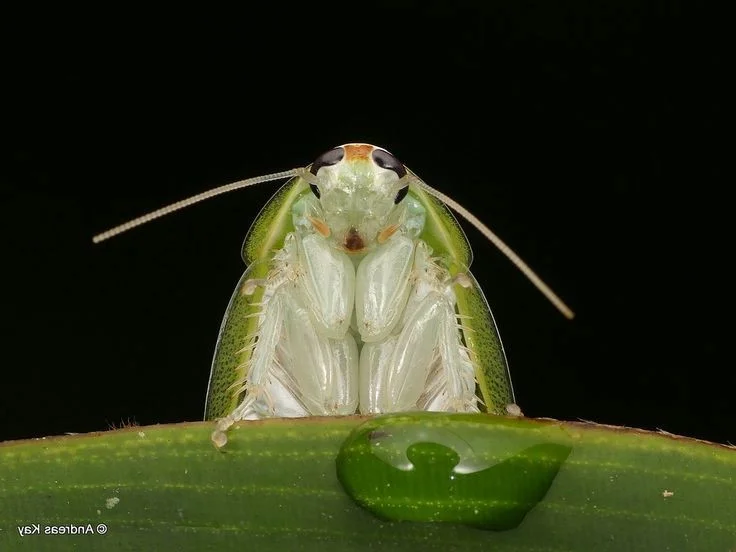
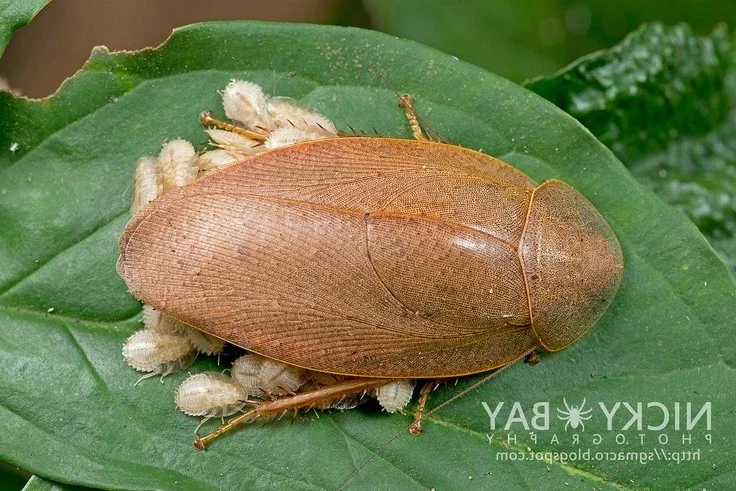
Evolutionary Marvels: How Cockroaches Outlasted Dinosaurs and Mastered the Art of Survival for Millions of Years
Have you ever wondered how one of the most misunderstood creatures on Earth is also one of the most successful? Cockroaches are true evolutionary masterpieces, having thrived on our planet for over 300 million years—emerging long before the first dinosaurs ever roamed. This fascinating look into their biological resilience reveals exactly why these insects are nearly impossible to eradicate and how they have mastered the art of survival through multiple mass extinctions.From their incredible ability to survive for weeks without a head to their lightning-fast reflexes that outpace the human eye, cockroaches have perfected every aspect of their anatomy. Their unique reproductive systems and the uncanny ability to rapidly develop resistance to modern chemical insecticides ensure their lineage continues even in the most hostile environments. While frequently dismissed as mere household pests, their ecological role as essential decomposers is vital for nutrient cycling in nature.
Whether you find them fascinating or frightening, the history of the Blattodea order is a powerful testament to the strength of natural selection. This exploration covers the science behind their survival, their prehistoric origins, and the specific biological traits—like their decentralized nervous system—that make them the ultimate survivors of the animal kingdom. This insight into the f6b010f7 biological lineage is perfect for nature enthusiasts, biology students, or anyone curious about the incredible wonders of evolution and the hidden world of insects that have shared our world for eons.
#EvolutionaryBiology , #InsectFacts , #NatureWonders , #CockroachSurvival , #PrehistoricLife , #BiologyToday , #NaturalSelection , #PestResilience

Đông Hoàng
2026-02-12 03:56:07.099658
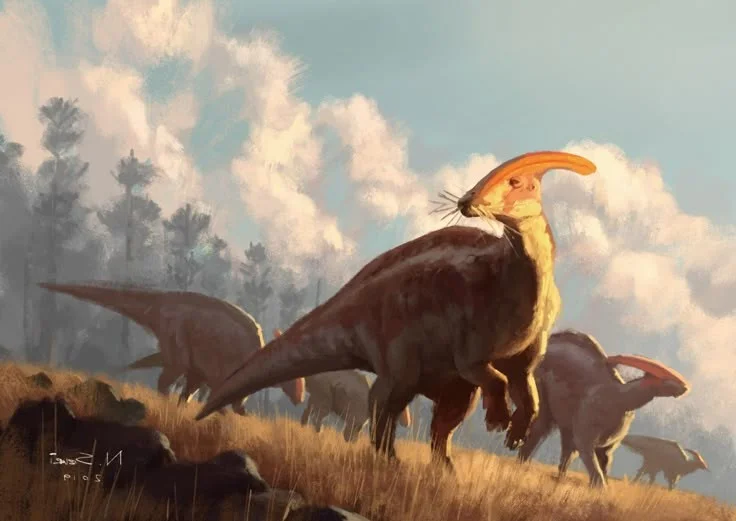
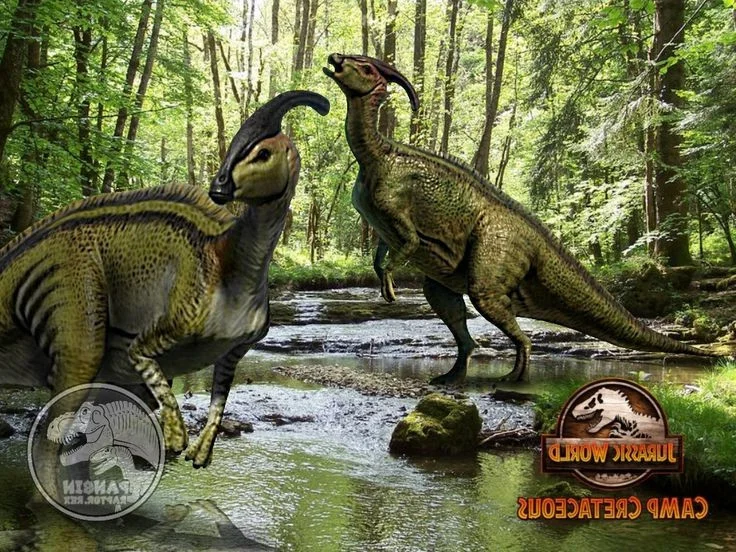
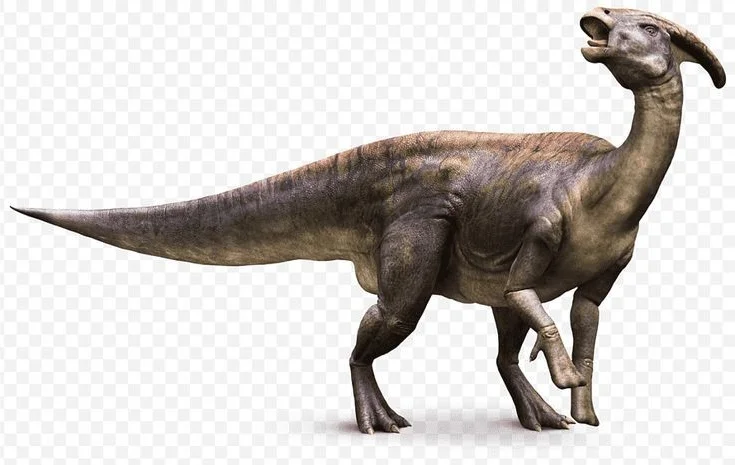
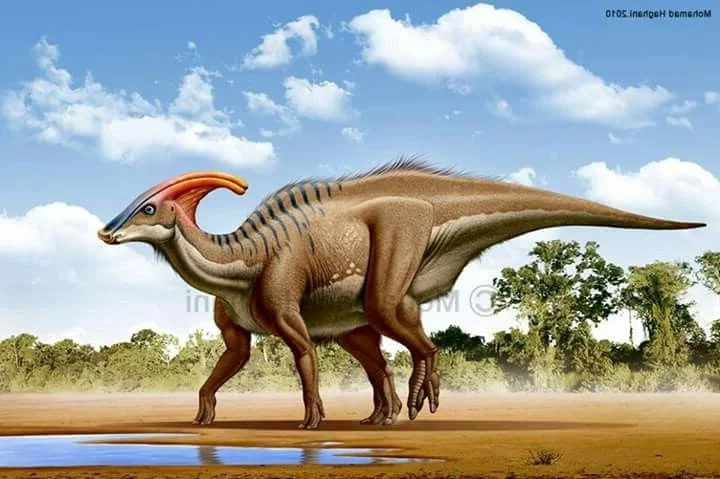
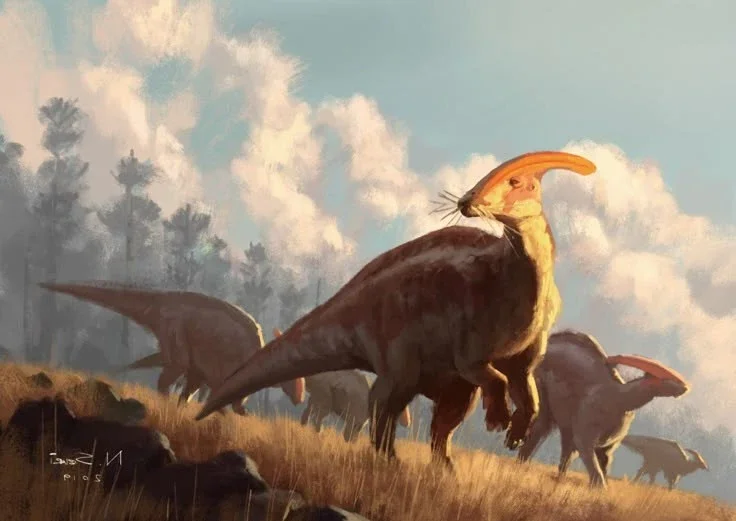
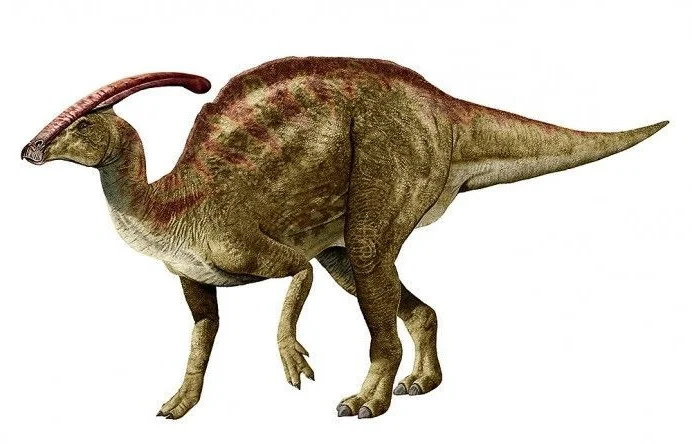
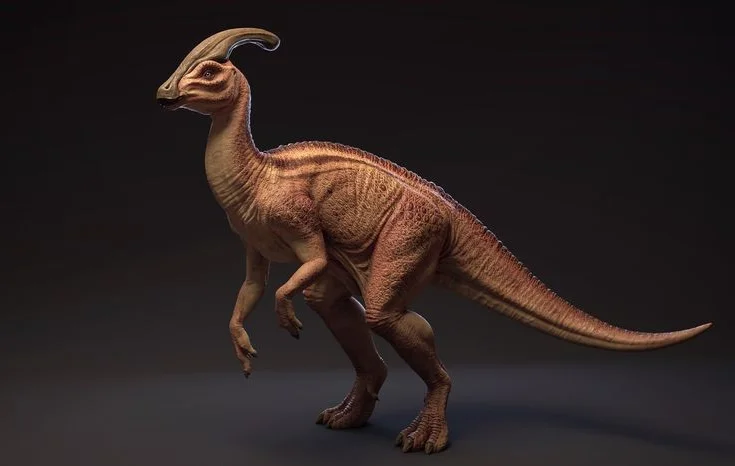
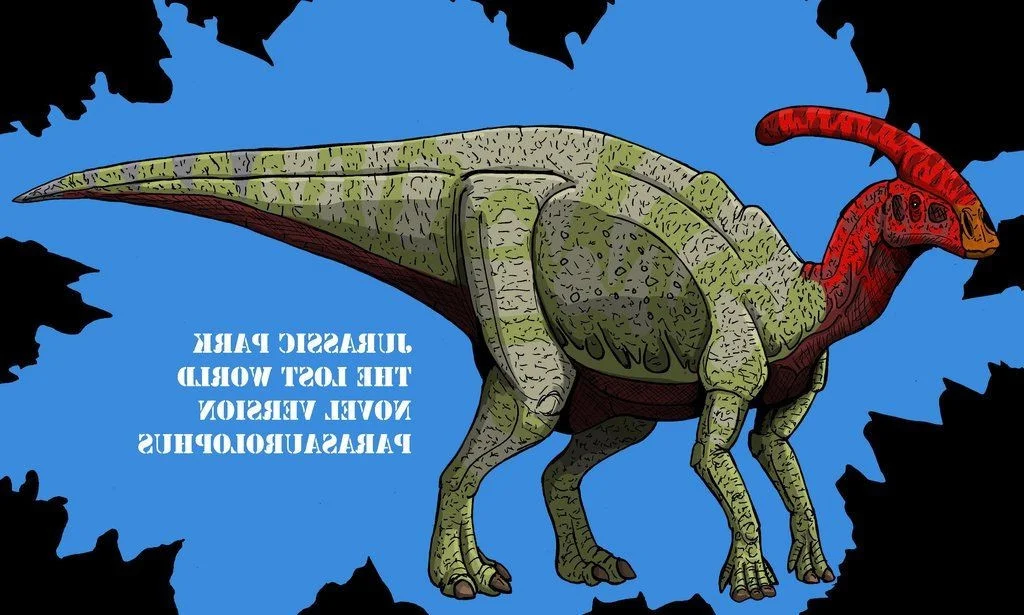
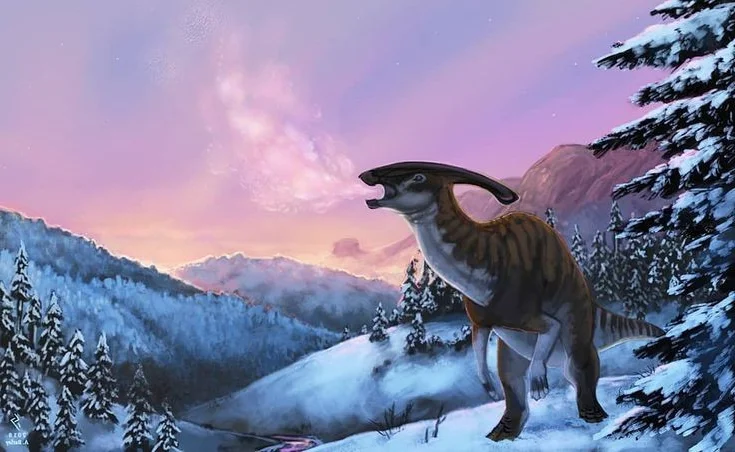
Unlocking the Mystery of Parasaurolophus: Why This Iconic Duck-Billed Dinosaur Had a Spectacular Two-Meter Crest and How It Used Sound to Communicate.
Step back into the Late Cretaceous period and discover one of the most intriguing creatures to ever roam the Earth: the Parasaurolophus. This iconic duck-billed dinosaur is instantly recognizable by its spectacular, two-meter-long tubular crest extending from the back of its skull. For decades, paleontologists have been fascinated by this unique feature, debating whether it was used for visual display, temperature regulation, or something much more musical.Recent scientific findings suggest that the Parasaurolophus used its massive crest as a sophisticated bio-communication tool. By vibrating air through the hollow chambers of the crest, these gentle giants could produce low-frequency sounds that traveled for miles, allowing them to communicate with their herd or warn of approaching predators. Living in large social groups, their behavior highlights a complex social structure rarely seen in the prehistoric world.
Despite their large size, Parasaurolophus were known for their flexible movement and relatively peaceful temperament. They could navigate the lush landscapes on both two and four legs, making them highly adaptable herbivores. Today, this dinosaur remains a beloved symbol in pop culture, appearing in countless films and documentaries. Whether you are a dedicated paleontology enthusiast or a casual fan of natural history, the mystery of the Parasaurolophus and its incredible 2-meter crest continues to capture the imagination. Explore the fascinating life of this prehistoric marvel and learn how ancient biology continues to surprise us today.
#Parasaurolophus , #PrehistoricLife , #DinosaurDiscovery , #LateCretaceous , #PaleontologyNews , #NaturalHistory , #DuckBilledDinosaur , #AncientCreatures
Lonnie McElwee
2026-01-08 13:19:35.865641
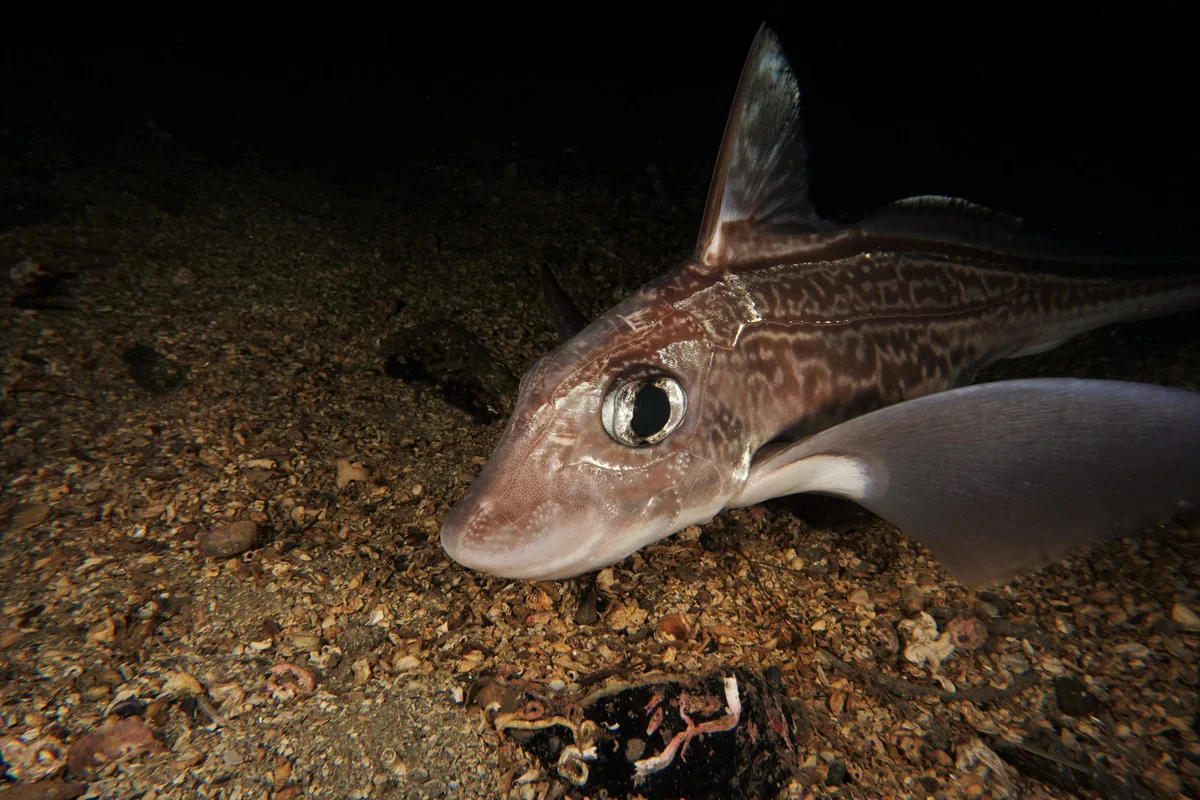
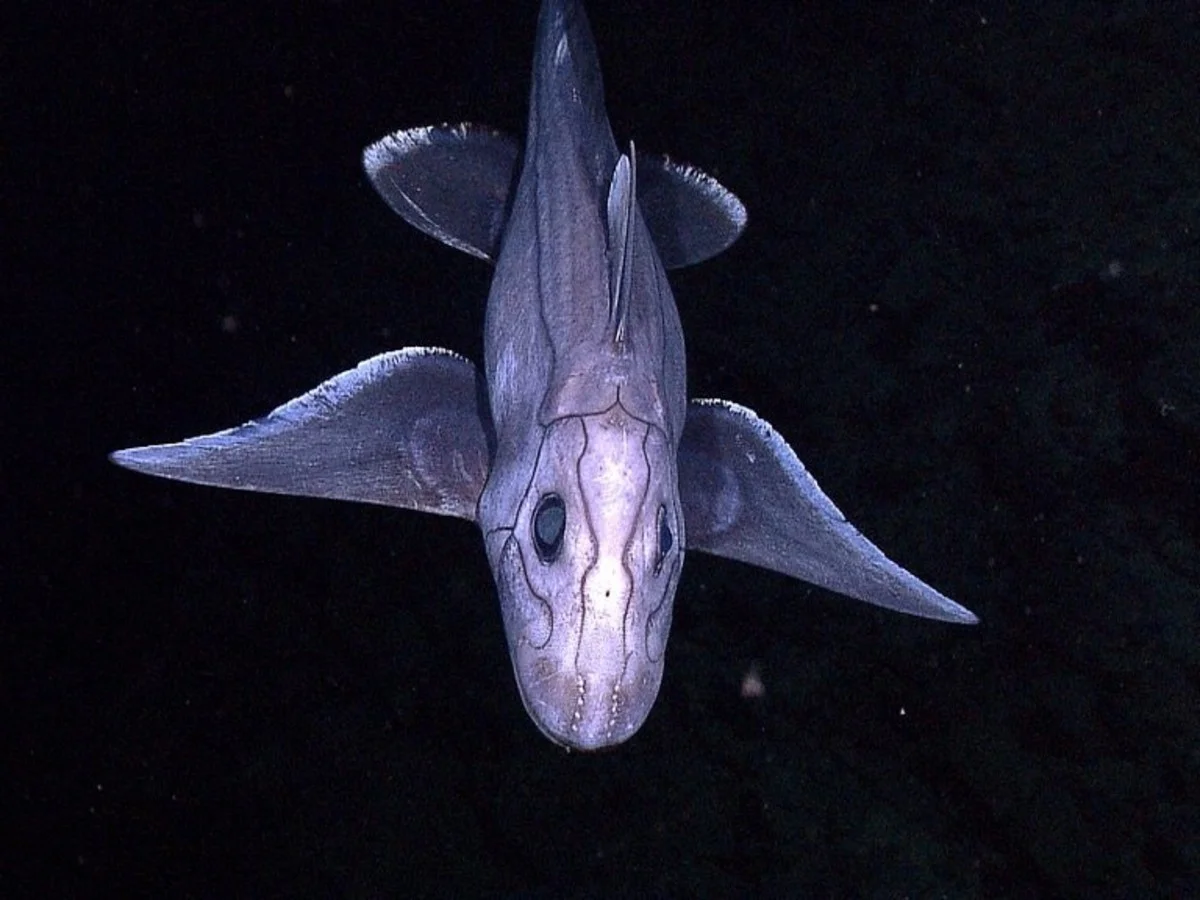
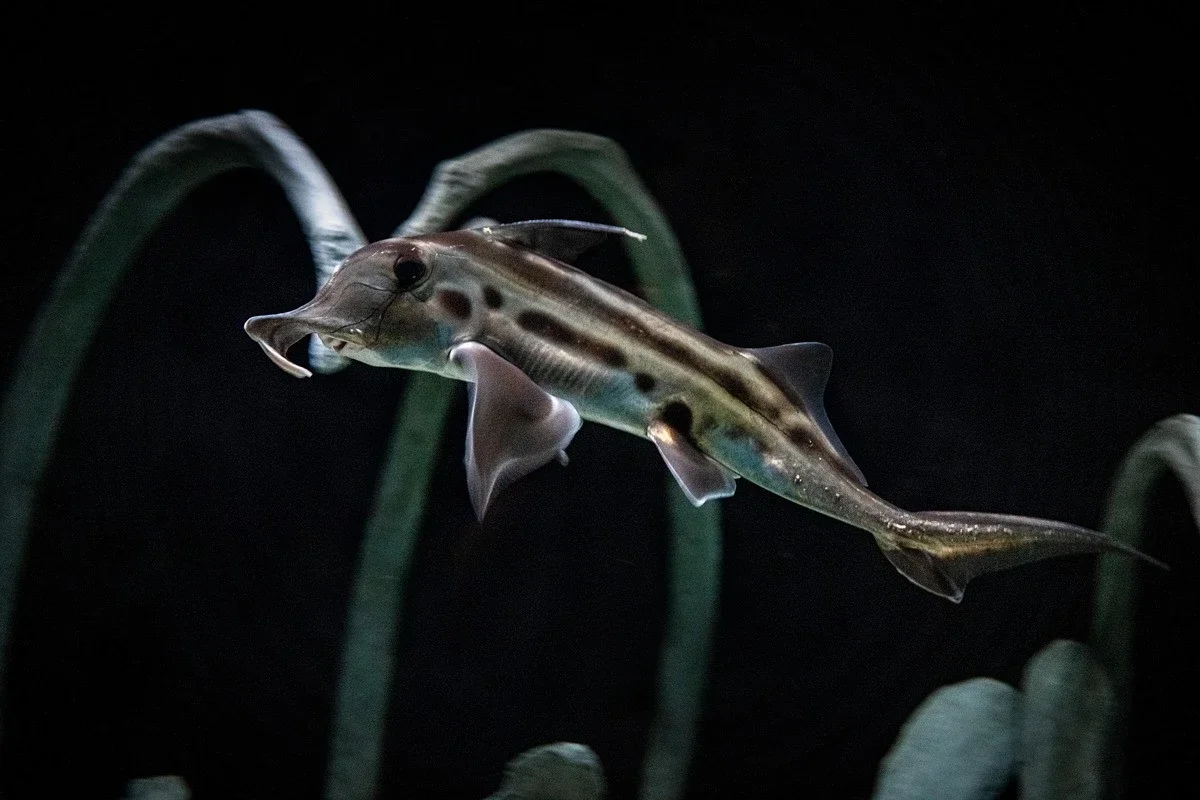
Discover the haunting beauty of the 300-million-year-old Ghost Shark
Deep within the silent shadows of the abyss, there exists a creature of ethereal and prehistoric beauty that takes your breath away. Known as the Chimaera or the Ghost Shark, this living fossil has survived for over 300 million years, predating even the dinosaurs. This captivating shot captures the Hydrolagus colliei gliding effortlessly through its dark domain, looking more like a piece of moving art than a biological entity. Its large, reflective eyes seem to hold the secrets of eons, while the smooth, metallic texture of its skin evokes the feel of fine satin or polished stone. The overall mood is one of haunting minimalism and profound mystery, reminding us of the vast, unexplored wonders of our blue planet. There is an undeniable sense of grace in its movement, a silent dance that has remained unchanged through the ages. Looking at this ancient traveler, one cannot help but feel a deep sense of nostalgia for a world long forgotten, making it a perfect inspiration for those who find beauty in the dark, the deep, and the timeless.#OceanDiscovery #PrehistoricLife #MarineBiology #EtherealBeauty #Chimaera
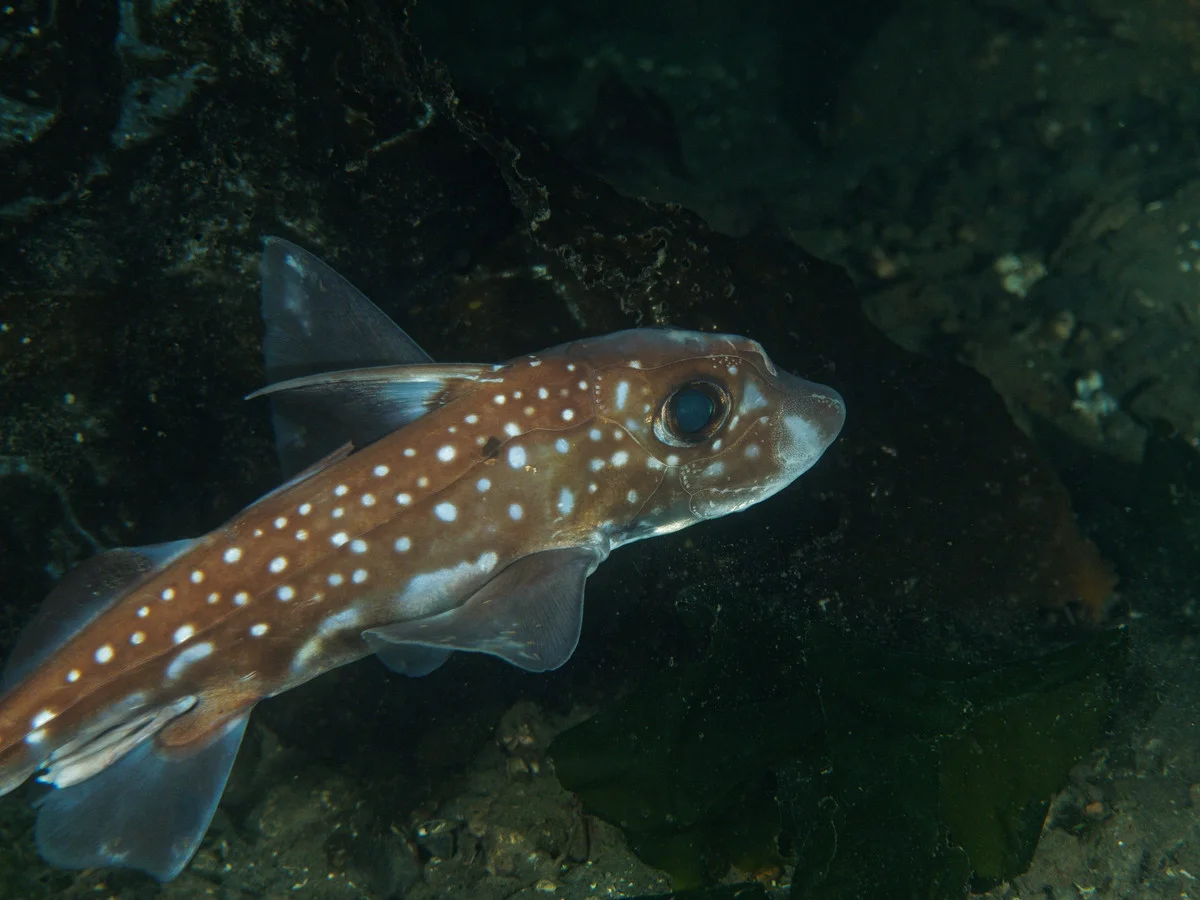
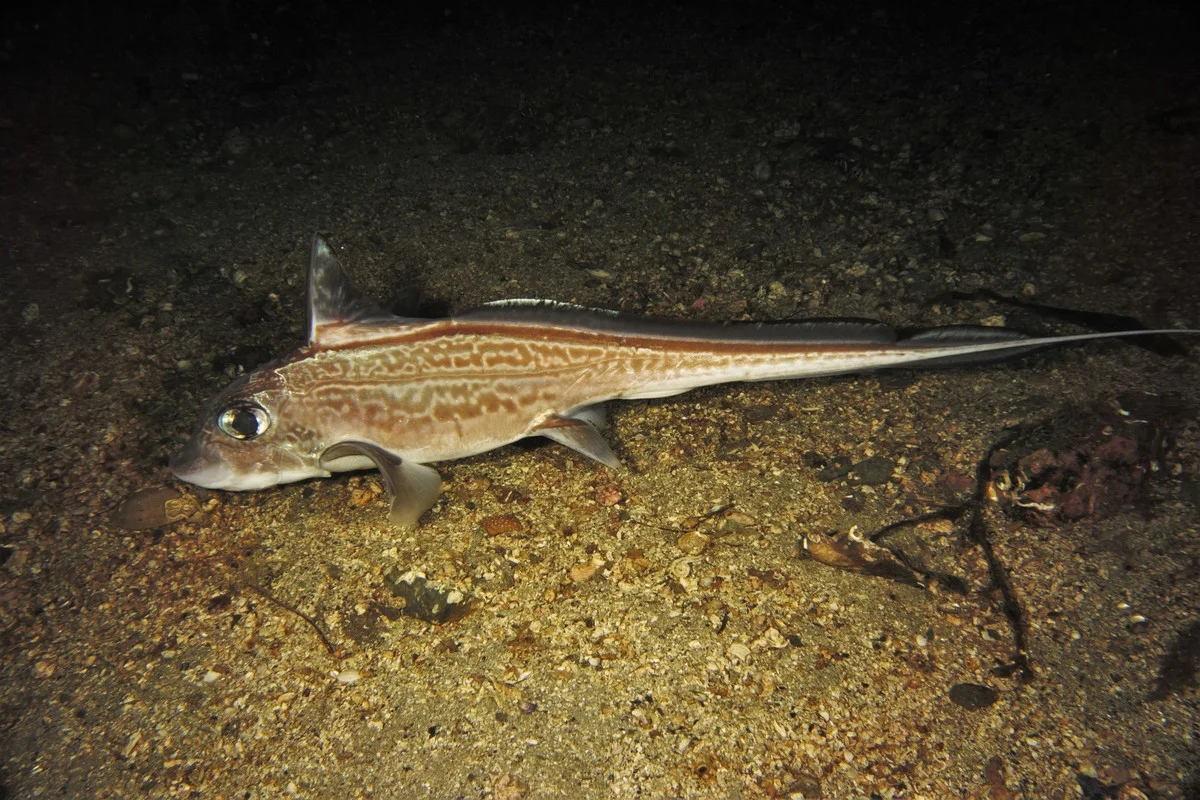
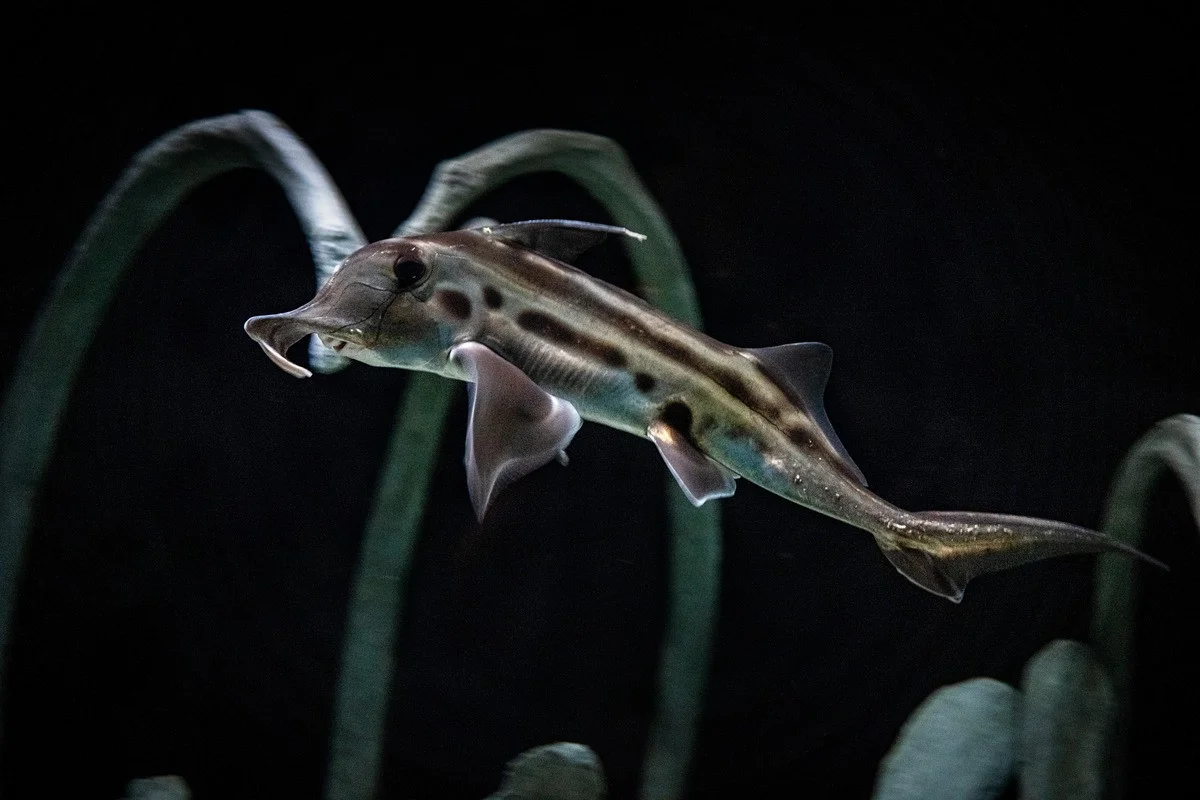
PANKRAS STEEL
2026-01-07 07:36:01.341581
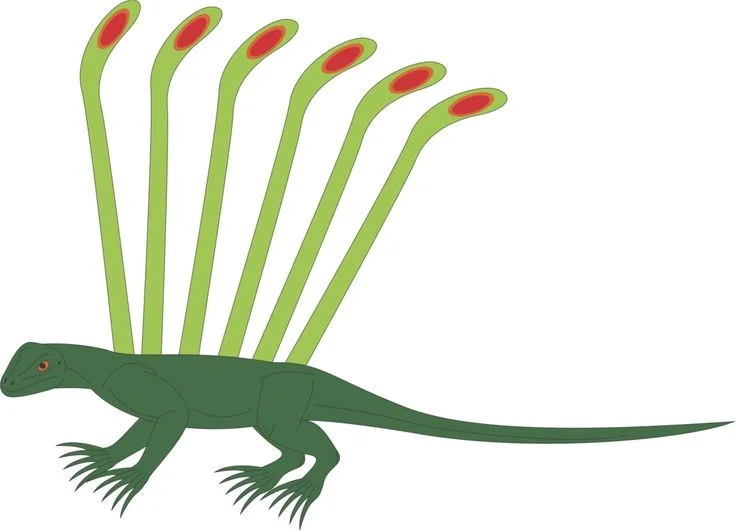
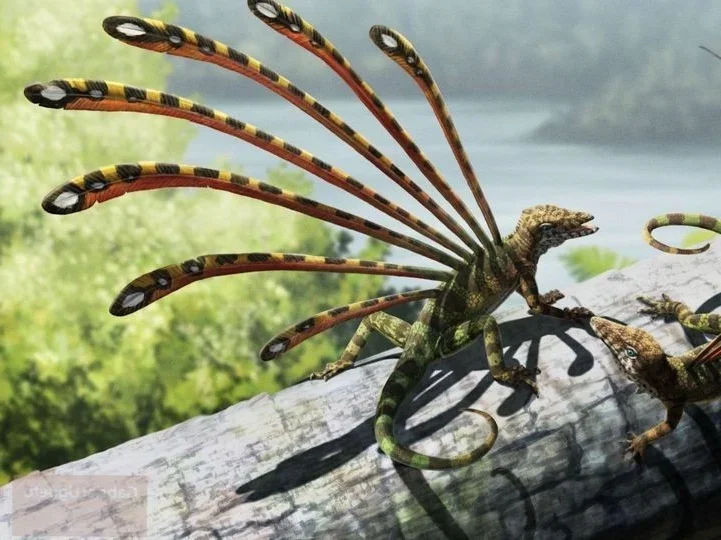
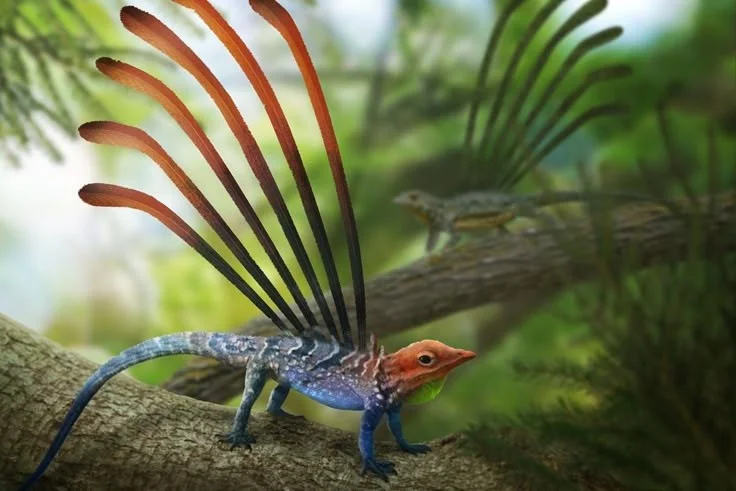
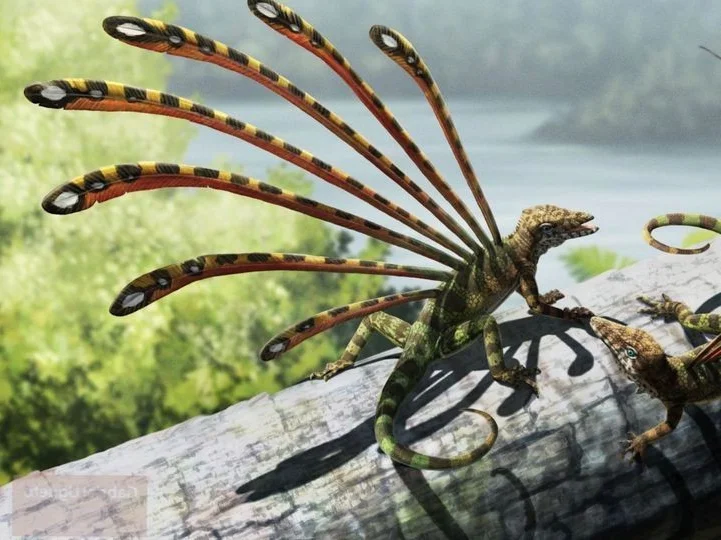
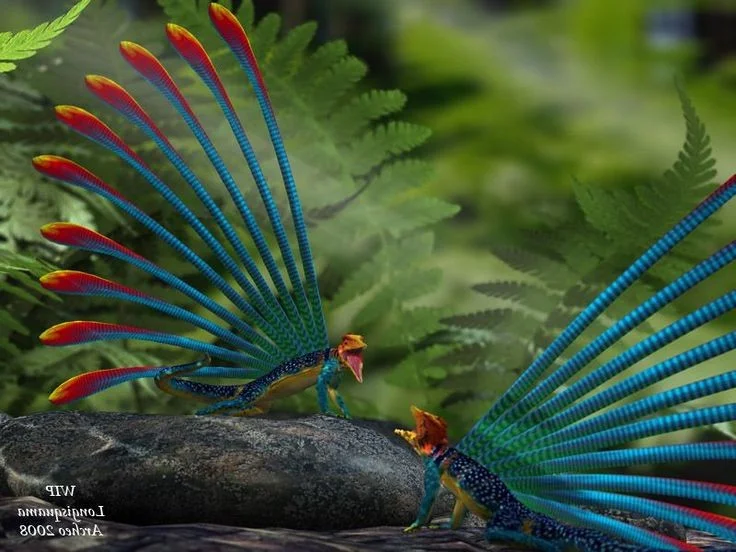
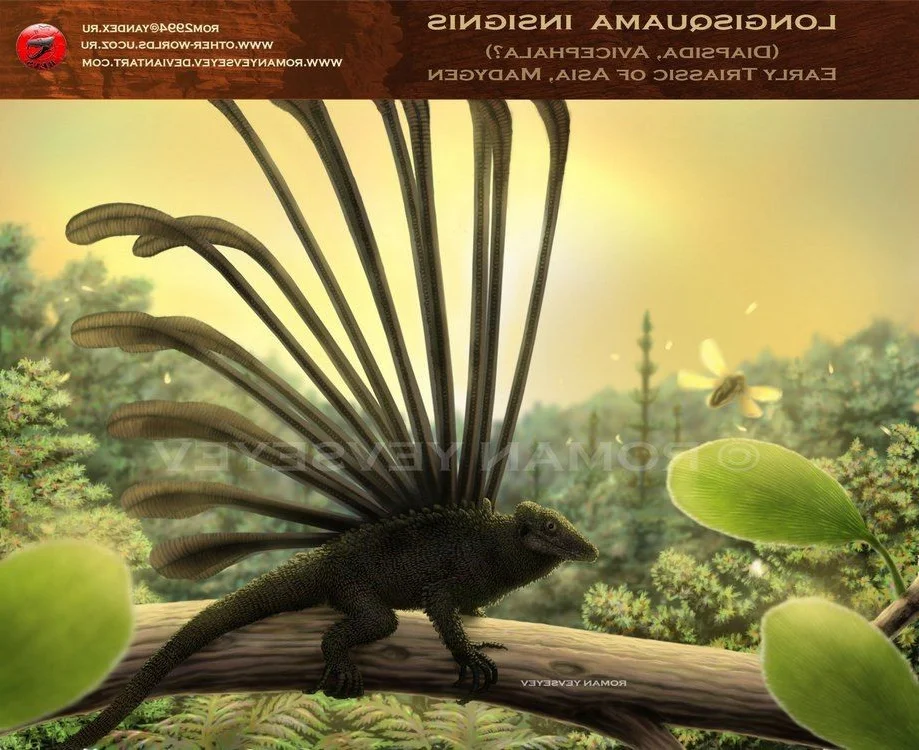
Longisquama: 230-Million-Year-Old Ancient Reptile Igniting Debate on Unique Spines and Evolution
This vivid illustration depicts Longisquama, a mysterious ancient reptile that existed 230 million years ago. Prominently featuring an unusual spiny structure on its back, resembling a giant fan, this creature has become the focal point of fierce scientific debates. Experts constantly question the evolutionary origin and true function of these unique spines, even suggesting they might be precursors to feathers. Longisquama fossils not only reveal the marvelous diversity of prehistoric creatures but also challenge our understanding of ancient ecological characteristics, opening the door to deeper exploration of reptile evolution.#Longisquama #AncientReptile #EvolutionaryDebate #FossilDiscovery #PrehistoricLife
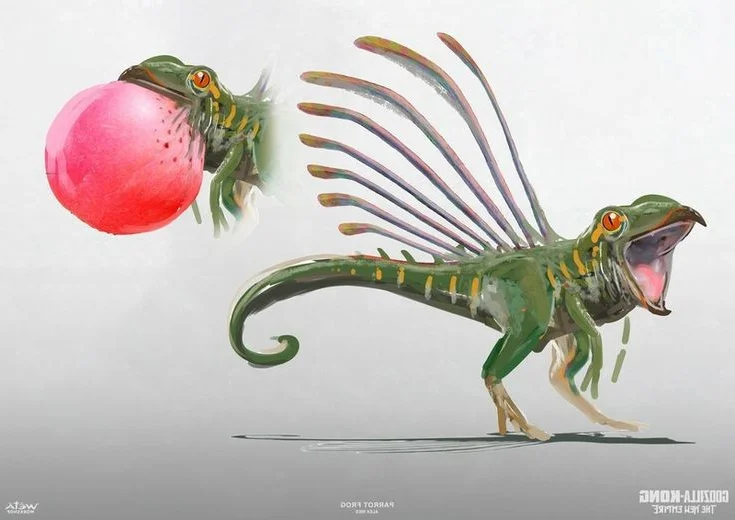
Wollies
2025-12-27 19:42:57.784297
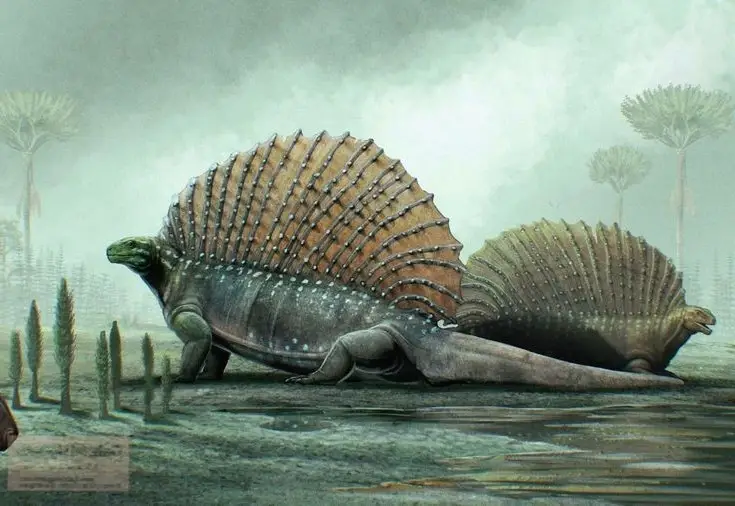
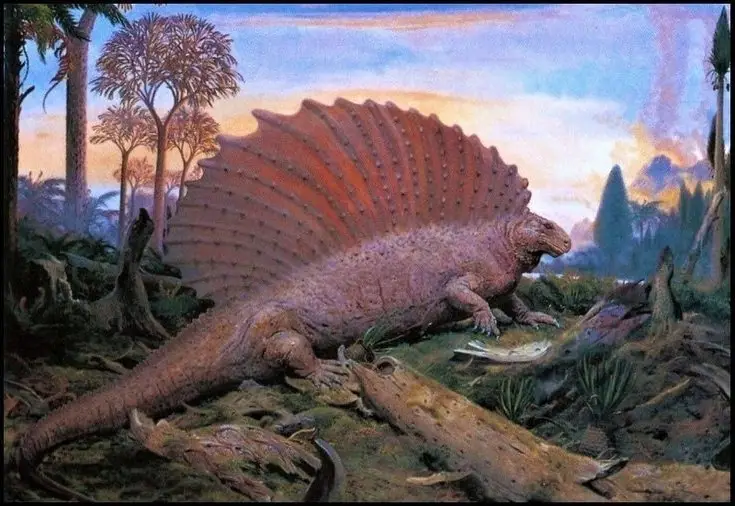
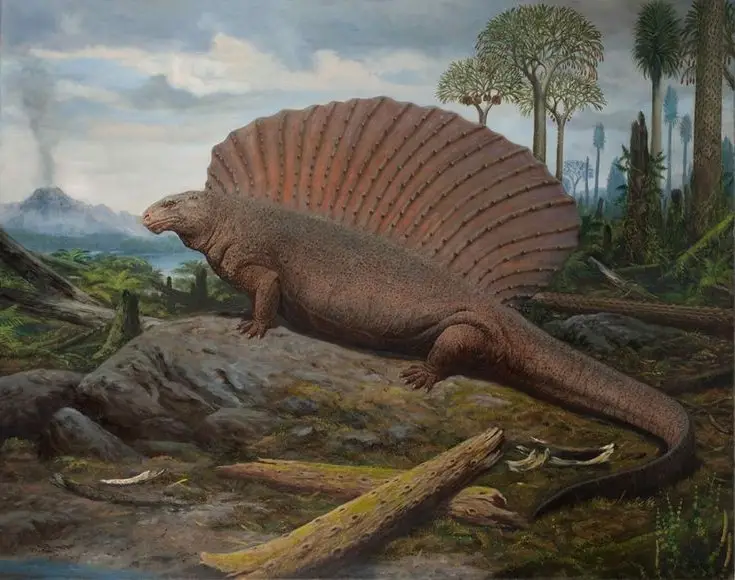
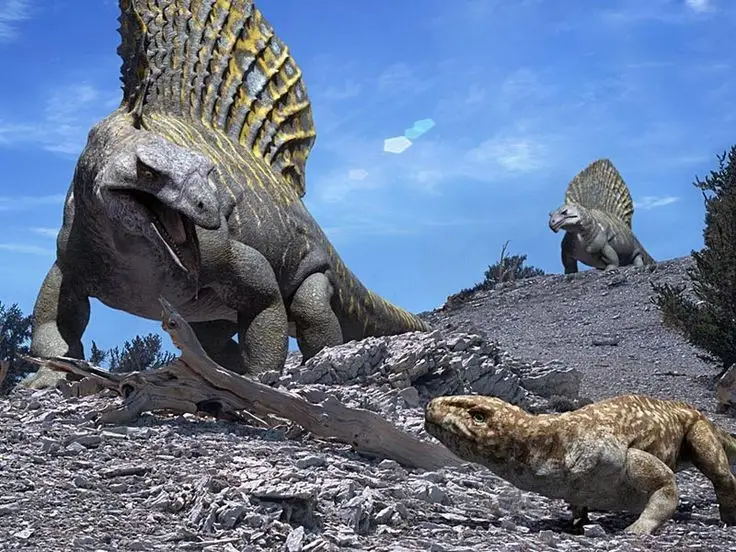
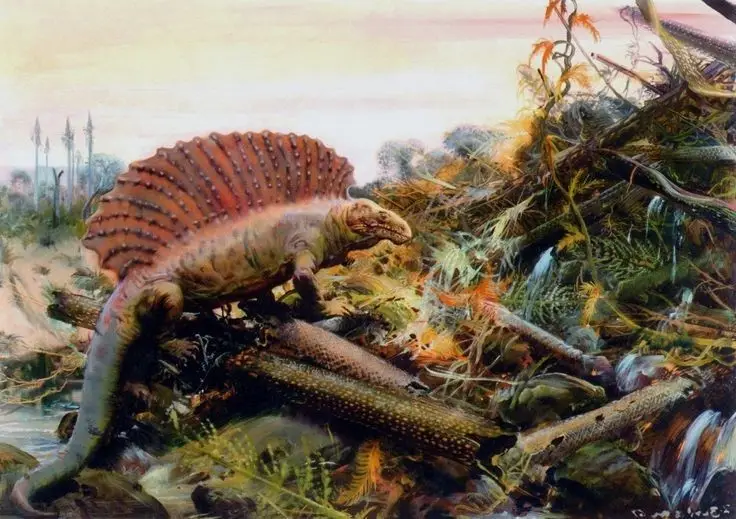
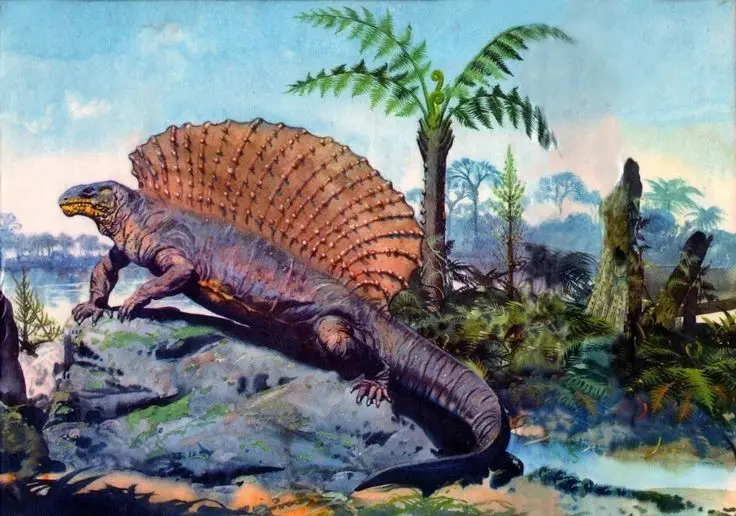
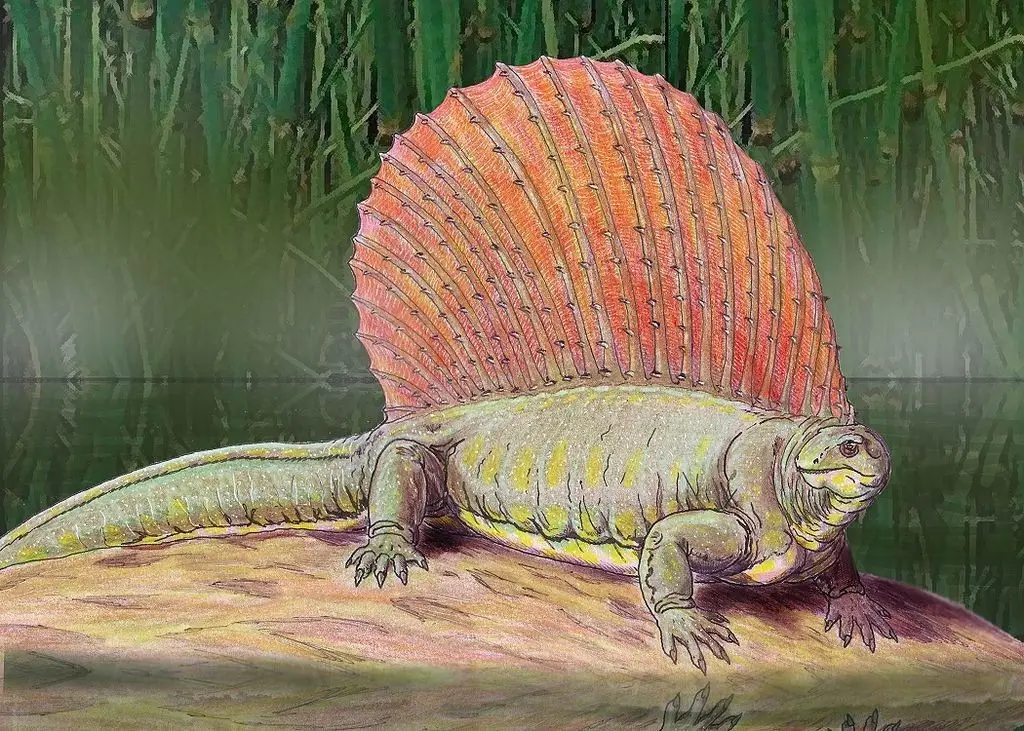
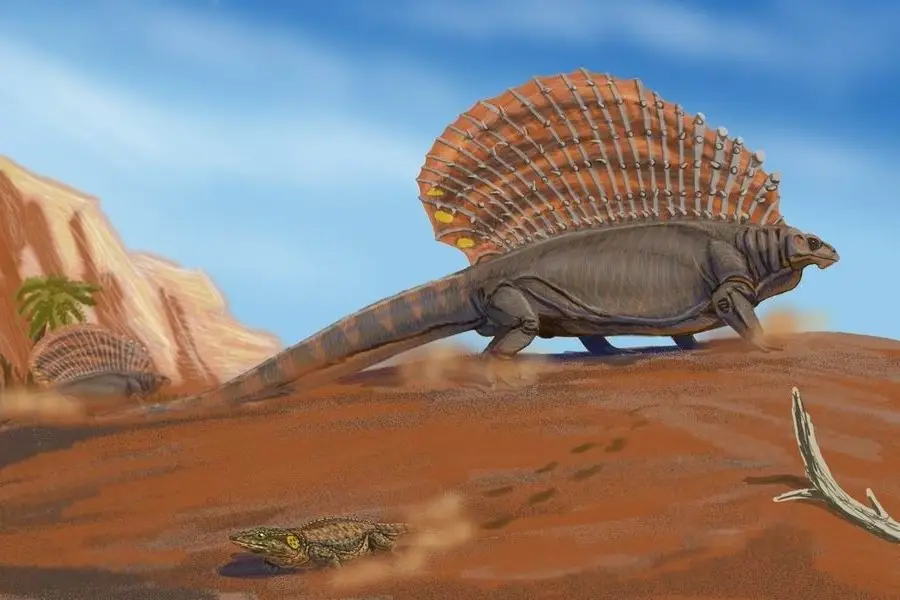
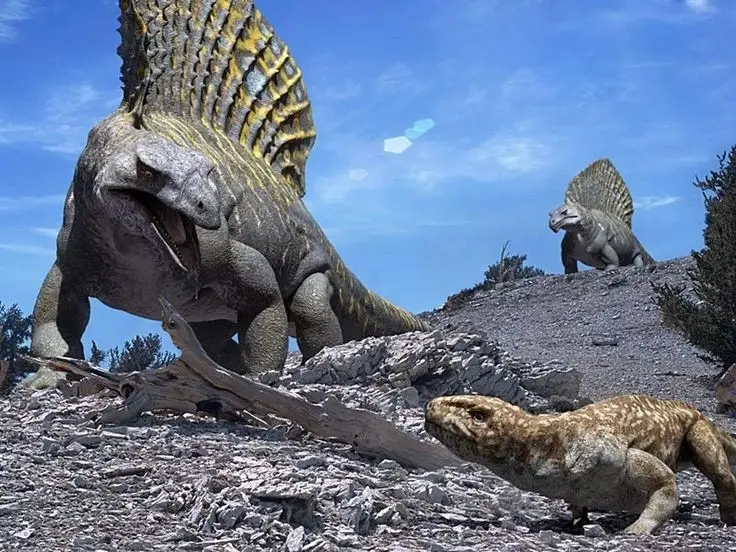
Edaphosaurus: Giant 'Sail-Backed' Prehistoric Creature, Unique Permian Herbivore
This image vividly reconstructs Edaphosaurus, an impressive prehistoric creature from the ancient Permian period. Distinguished by its enormous 'sail' on its back, this structure not only created a unique appearance but is also believed to have played a crucial role in thermoregulation, helping them adapt to harsh living environments. As one of the earliest and largest herbivores of its time, Edaphosaurus played a pivotal role in the Permian ecosystem. The existence of Edaphosaurus offers profound insights into the evolutionary process of ancient plant-eating species, demonstrating the extraordinary diversity and adaptive capabilities of life on Earth millions of years ago.#Edaphosaurus #PermianPeriod #PrehistoricLife #AncientHerbivore #SailBackedCreature
Brayan
2025-12-23 14:00:22.569582
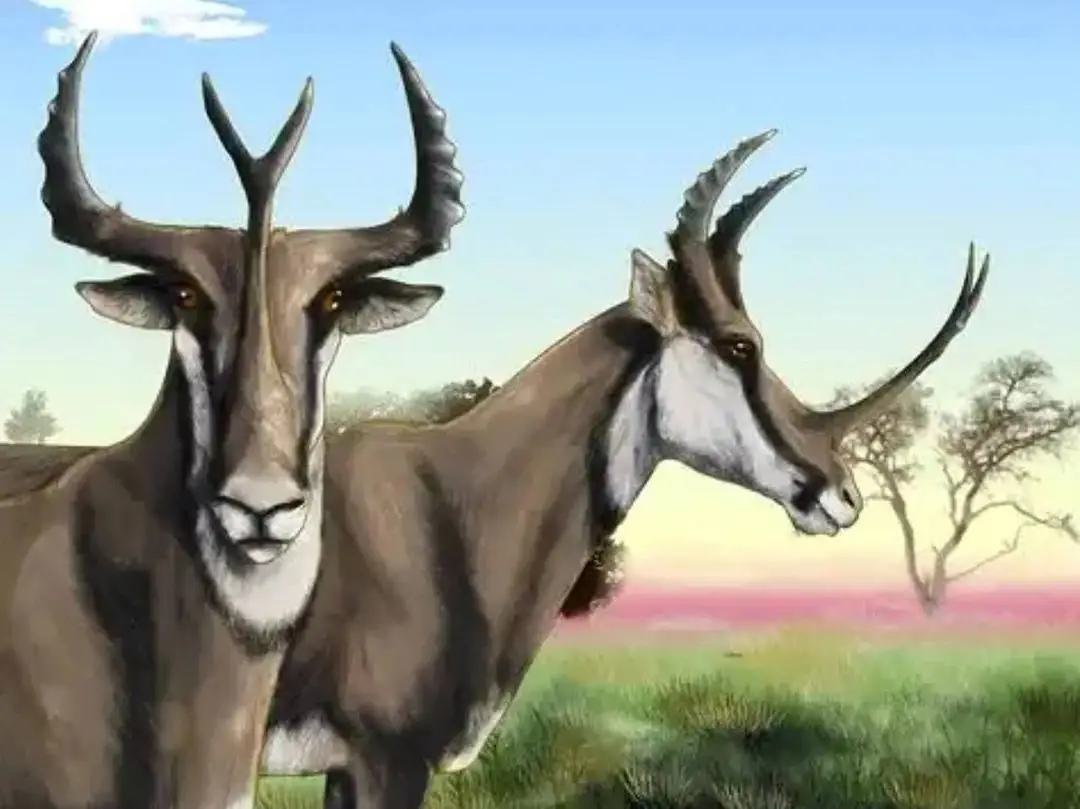
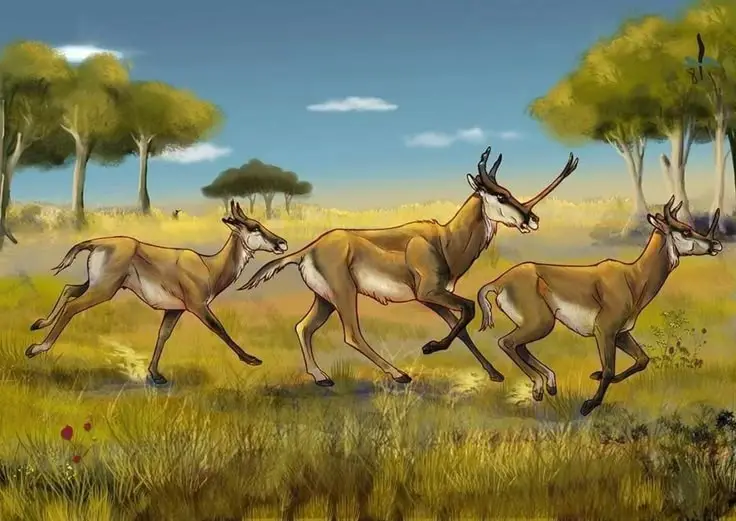
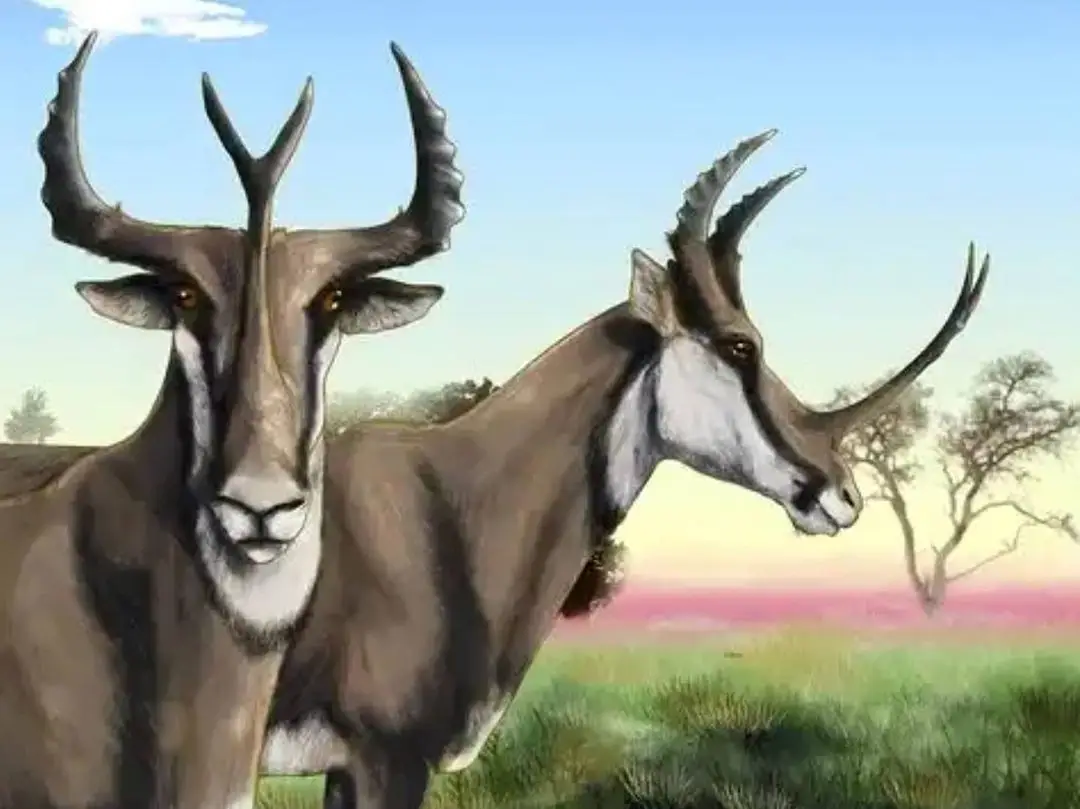
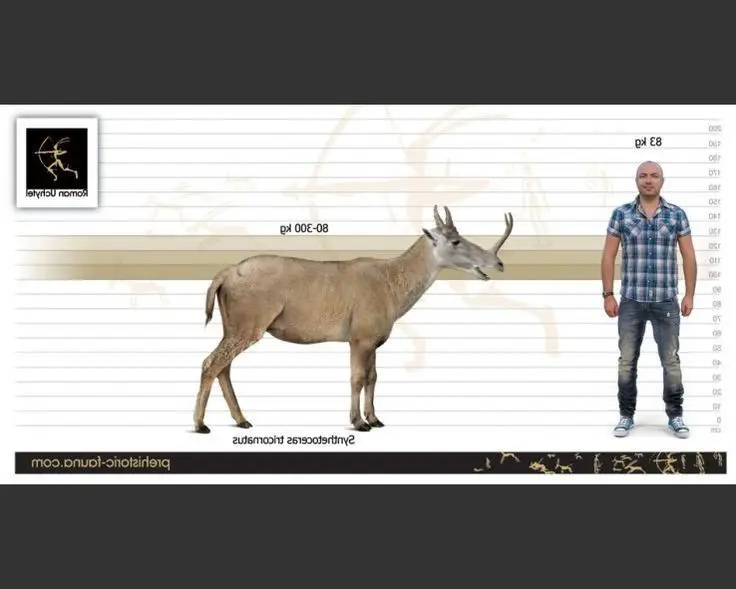
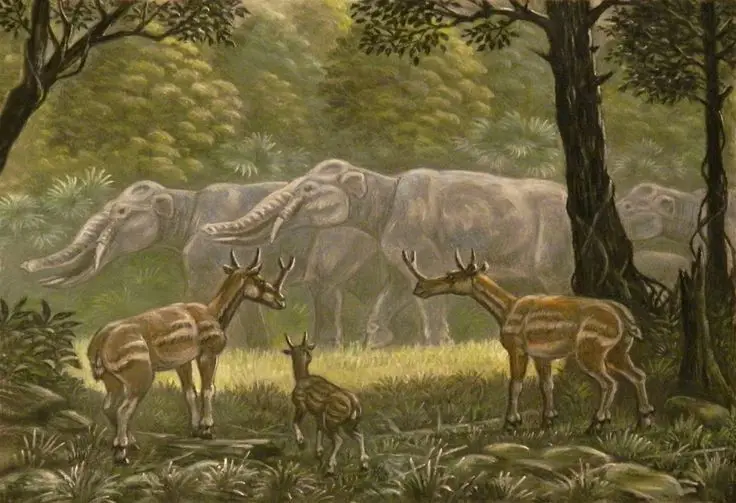
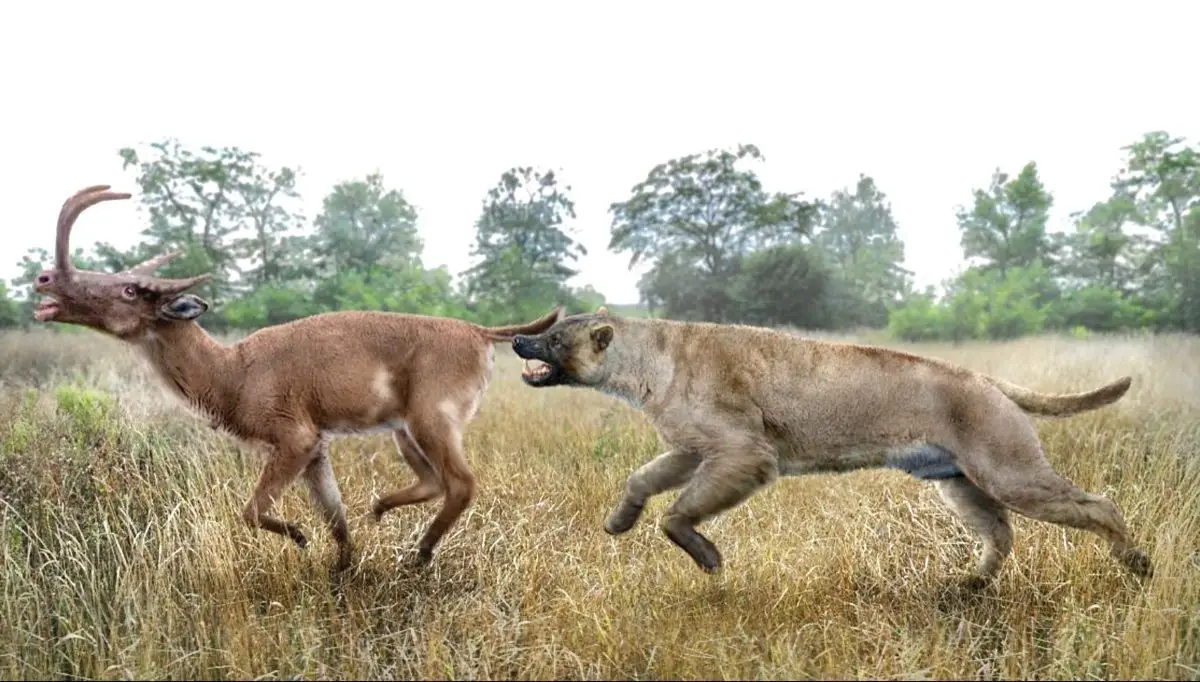
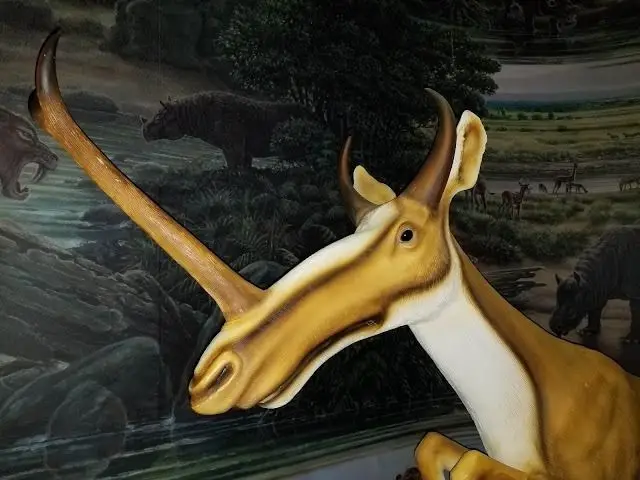
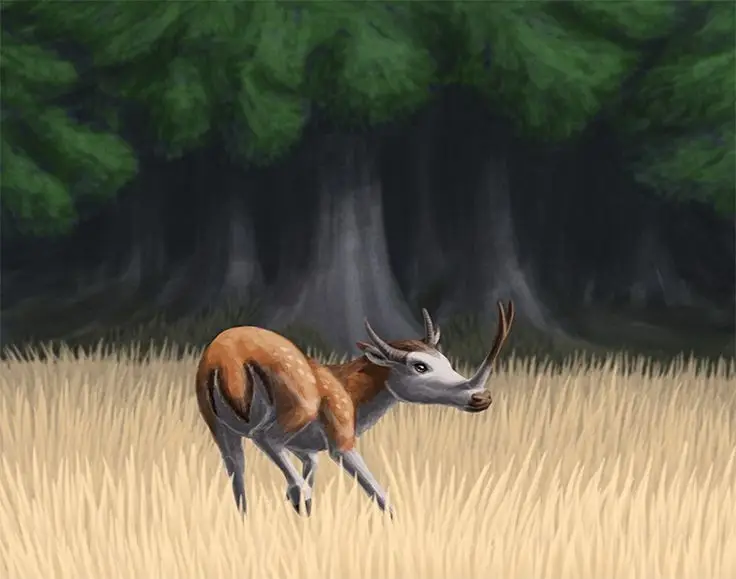
Unbelievable! Synthetoceras: The Hoofed Animal with the Strangest Horns Ever Existed
This image beautifully reconstructs Synthetoceras, a mysterious extinct hoofed animal that once roamed ancient landscapes. Its most striking feature is its unique branched horns, unlike any seen in living species today. One individual notably displays a horn growing directly from its nose, creating an incredibly peculiar appearance that highlights its fascinating morphological evolution. These magnificent creatures thrived in the ancient plains of North America, sustaining themselves on a gentle herbivorous diet. Synthetoceras exemplifies the wondrous diversity of life that has graced our planet. However, like countless ancient organisms, Synthetoceras eventually disappeared, leaving behind a captivating legacy in Earth's evolutionary history and sparking endless curiosity about the prehistoric world.#Synthetoceras #ExtinctAnimals #UniqueHorns #Paleontology #PrehistoricLife
Stories
-
Creat Your Story
time to story
-

Anna Mull
1 hour ago
-

Ira Membrit
4 hour ago
-

Bob Frapples
9 hour ago
Events
-

Web Workshop
1 hour ago
-

Fun Events and Festivals
1 hour ago
Upcoming Birthday
-
Anna Sthesia
Today
-

Paul Molive
Tomorrow