
 Select Photos
Phong Le
2026-02-20 13:50:10.683153
The Legend of Pegasus: Exploring the Majestic Winged Horse of Greek Mythology and Its Timeless Cultural Symbolism in Western Art and History
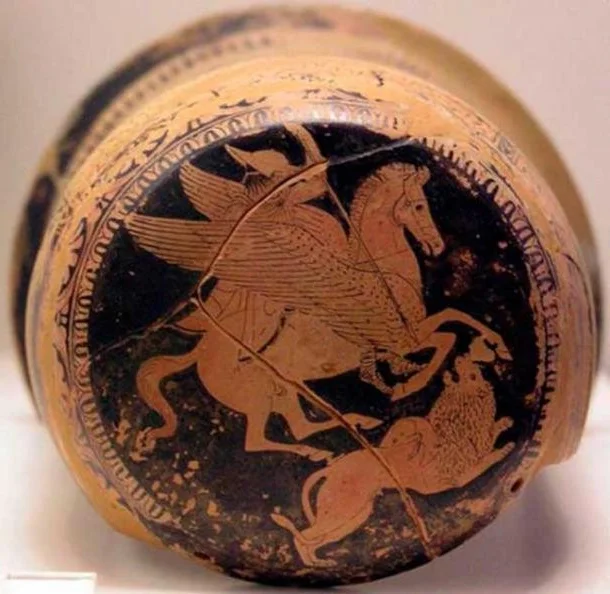
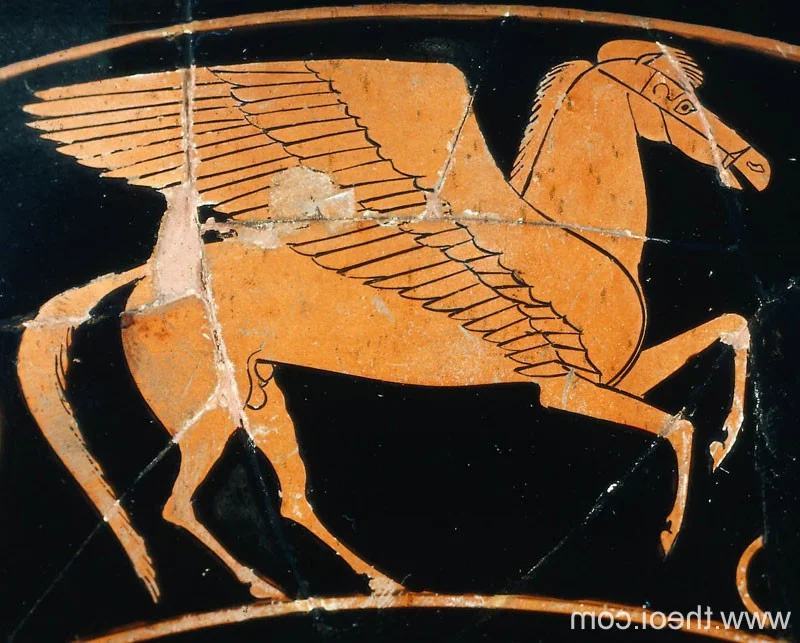
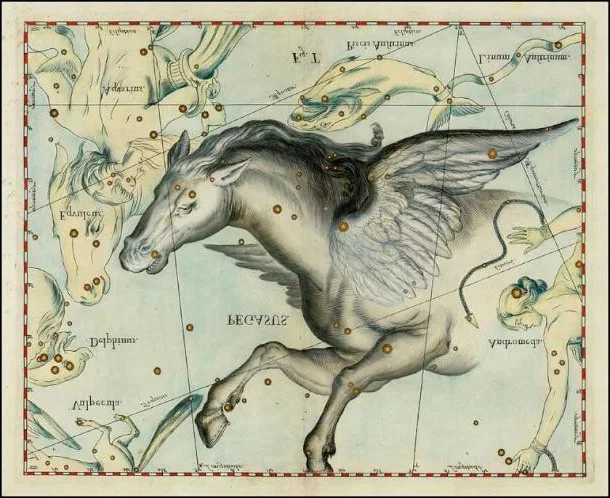
Step into the enchanting realm of Greek mythology with the legendary Pegasus, the divine winged stallion that has captured human imagination for centuries. Traditionally depicted as a pure white horse with magnificent eagle-like wings, Pegasus is more than just a creature of fantasy; he is a symbol of poetic inspiration and untamed freedom. Born from the blood of Medusa and sired by Poseidon, this celestial being is most famously known for his association with the hero Bellerophon. Together, they soared through the skies to defeat the fire-breathing Chimera, marking one of the most epic tales in ancient folklore.For travelers exploring the Mediterranean or art enthusiasts visiting world-class museums in Europe and the US, the image of Pegasus is a recurring motif that bridges the gap between history and art. From ancient pottery and Renaissance paintings to modern-day sculptures, the grace of the winged horse remains a powerful icon of the soul's weightless journey toward the heavens. Whether you are a student of history or a fan of fantasy literature, understanding the myth of Pegasus offers a deeper appreciation for the roots of Western storytelling. This visual exploration highlights the intricate details of his majestic form, reminding us why the Pegasus legend continues to thrive in popular culture today. Experience the magic of the stars and the power of the gods through this timeless mythological masterpiece and discover the enduring legacy of the world's most famous winged horse.
#GreekMythology , #PegasusLegend , #AncientHistory , #MythicalCreatures , #WingedHorse , #ArtHistory , #FantasyArt , #WesternCulture


Comment
Stories
-
Creat Your Story
time to story
-

Anna Mull
1 hour ago
-

Ira Membrit
4 hour ago
-

Bob Frapples
9 hour ago
Events
-

Web Workshop
1 hour ago
-

Fun Events and Festivals
1 hour ago
Upcoming Birthday
-
Anna Sthesia
Today
-

Paul Molive
Tomorrow