
 Select Photos
Đông Hoàng
2026-02-12 03:56:07.099658
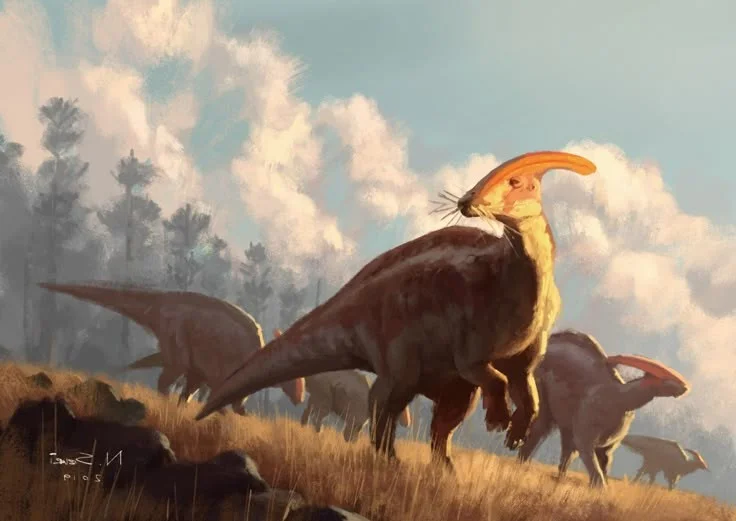
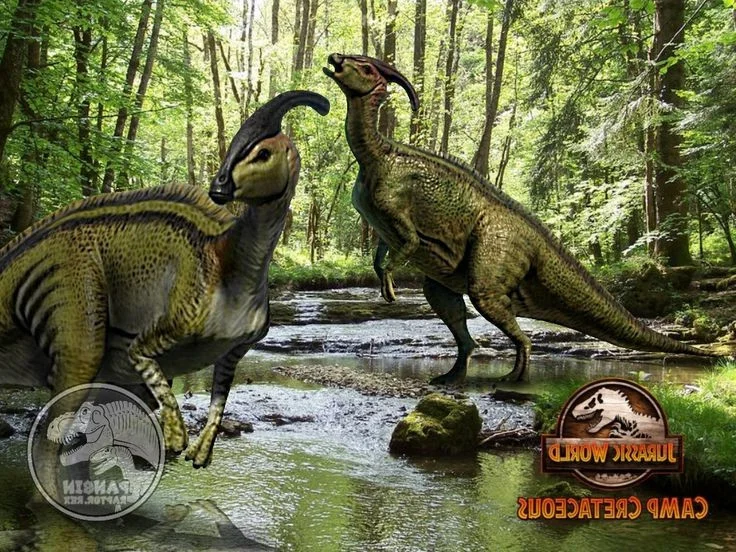
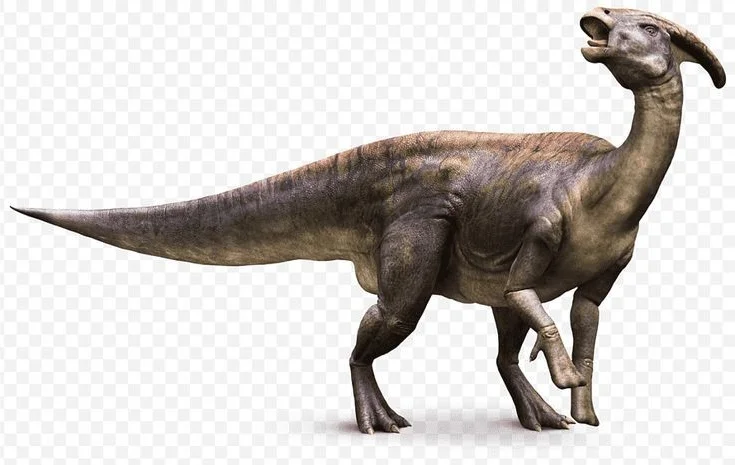
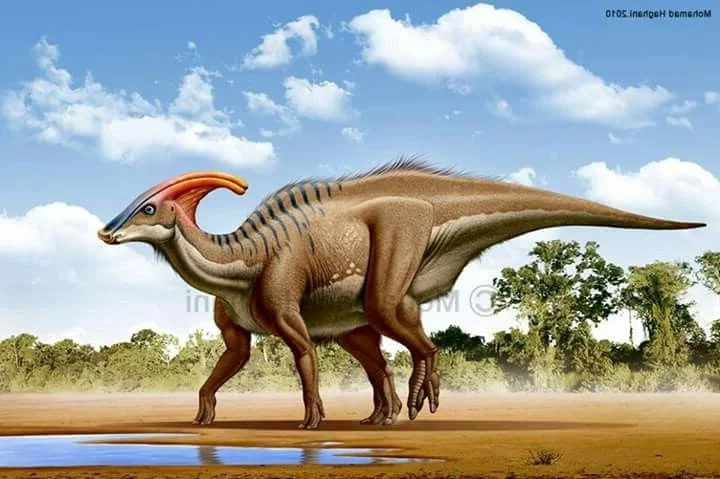
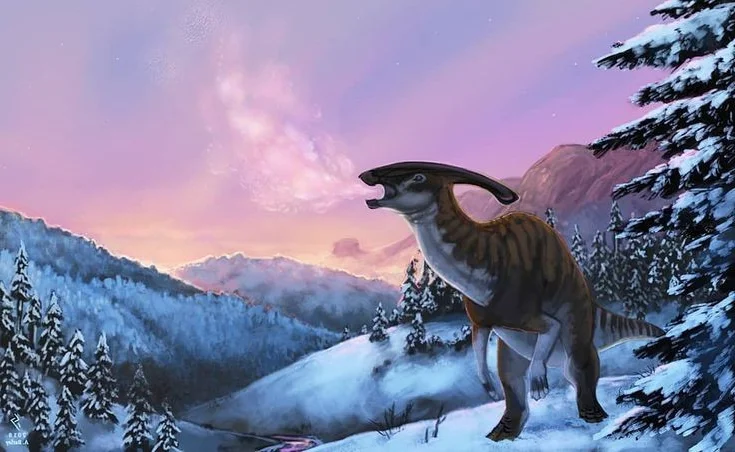
Unlocking the Mystery of Parasaurolophus: Why This Iconic Duck-Billed Dinosaur Had a Spectacular Two-Meter Crest and How It Used Sound to Communicate.
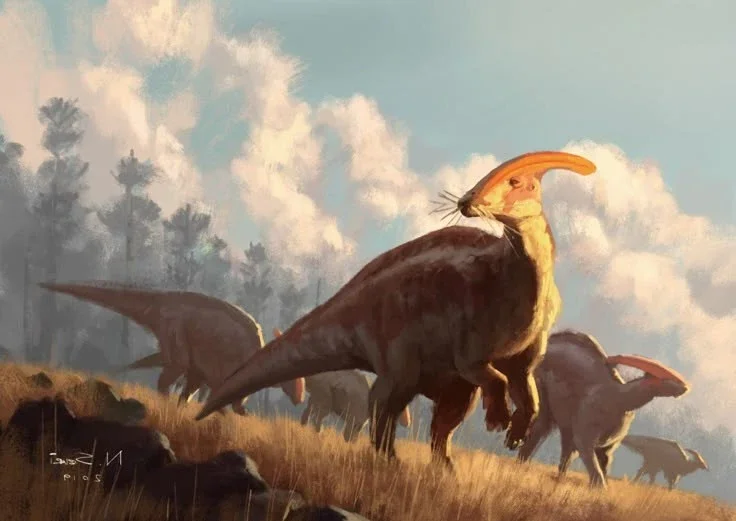
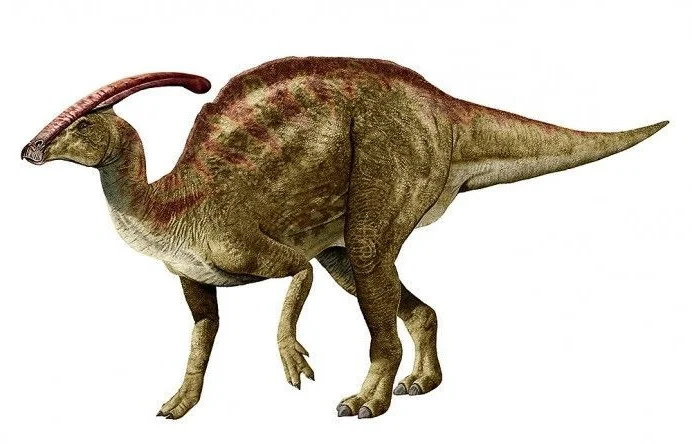
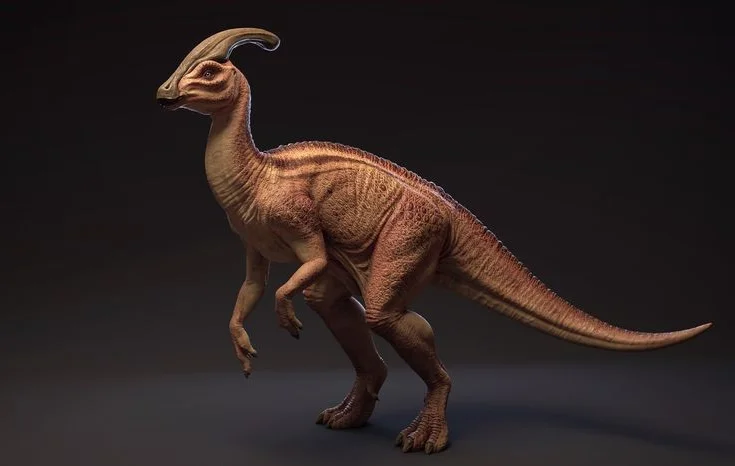
Step back into the Late Cretaceous period and discover one of the most intriguing creatures to ever roam the Earth: the Parasaurolophus. This iconic duck-billed dinosaur is instantly recognizable by its spectacular, two-meter-long tubular crest extending from the back of its skull. For decades, paleontologists have been fascinated by this unique feature, debating whether it was used for visual display, temperature regulation, or something much more musical.Recent scientific findings suggest that the Parasaurolophus used its massive crest as a sophisticated bio-communication tool. By vibrating air through the hollow chambers of the crest, these gentle giants could produce low-frequency sounds that traveled for miles, allowing them to communicate with their herd or warn of approaching predators. Living in large social groups, their behavior highlights a complex social structure rarely seen in the prehistoric world.
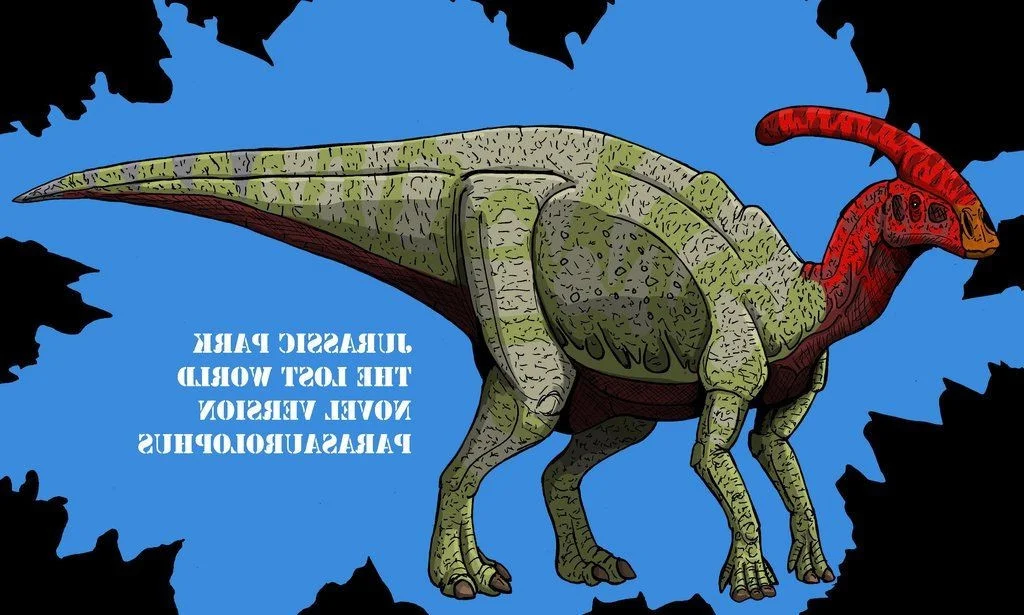
Despite their large size, Parasaurolophus were known for their flexible movement and relatively peaceful temperament. They could navigate the lush landscapes on both two and four legs, making them highly adaptable herbivores. Today, this dinosaur remains a beloved symbol in pop culture, appearing in countless films and documentaries. Whether you are a dedicated paleontology enthusiast or a casual fan of natural history, the mystery of the Parasaurolophus and its incredible 2-meter crest continues to capture the imagination. Explore the fascinating life of this prehistoric marvel and learn how ancient biology continues to surprise us today.
#Parasaurolophus , #PrehistoricLife , #DinosaurDiscovery , #LateCretaceous , #PaleontologyNews , #NaturalHistory , #DuckBilledDinosaur , #AncientCreatures
Comment
Stories
-
Creat Your Story
time to story
-

Anna Mull
1 hour ago
-

Ira Membrit
4 hour ago
-

Bob Frapples
9 hour ago
Events
-

Web Workshop
1 hour ago
-

Fun Events and Festivals
1 hour ago
Upcoming Birthday
-

Anna Sthesia
Today
-

Paul Molive
Tomorrow