
 Select Photos
dyer
2026-02-20 15:24:12.792441
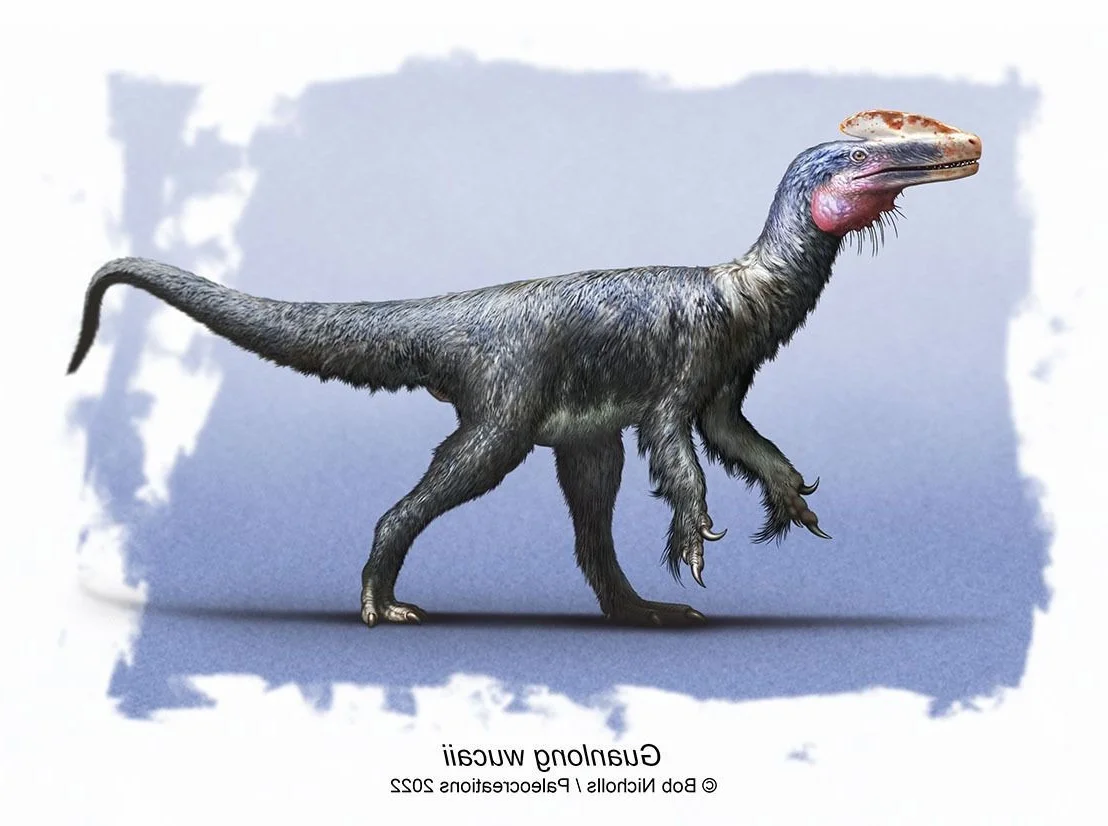
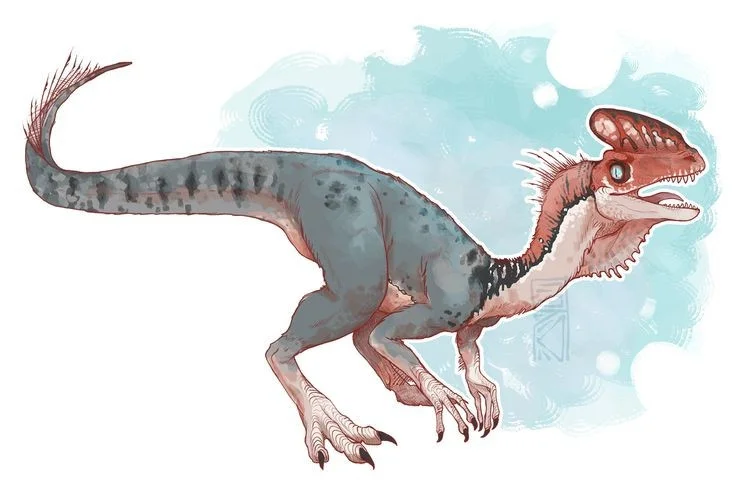
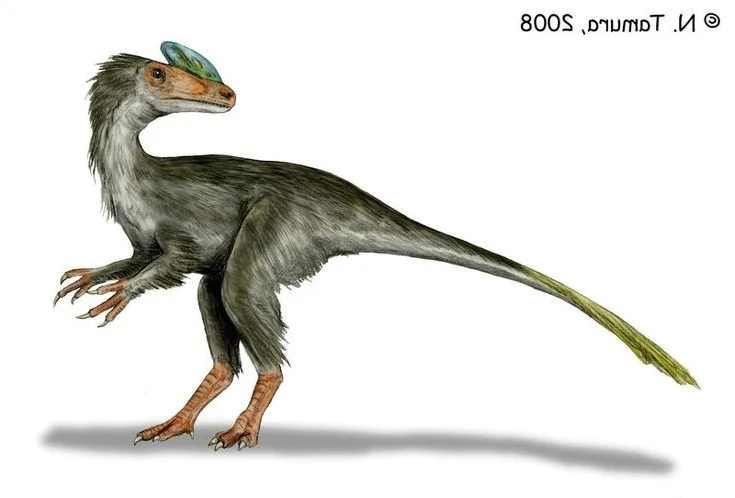
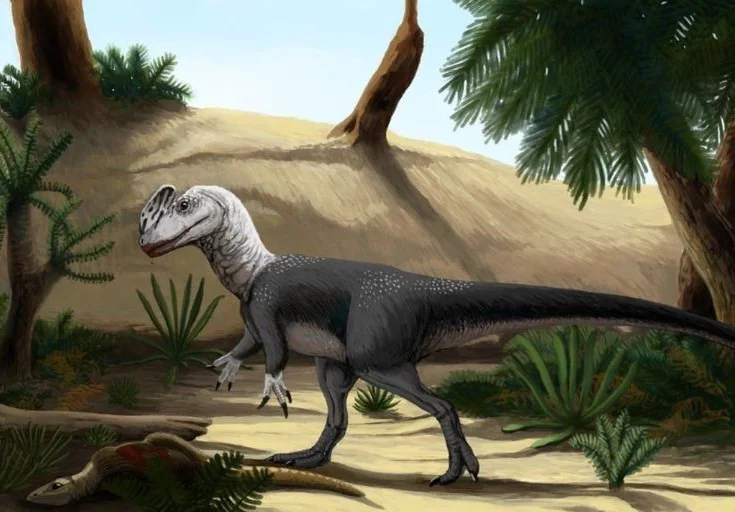
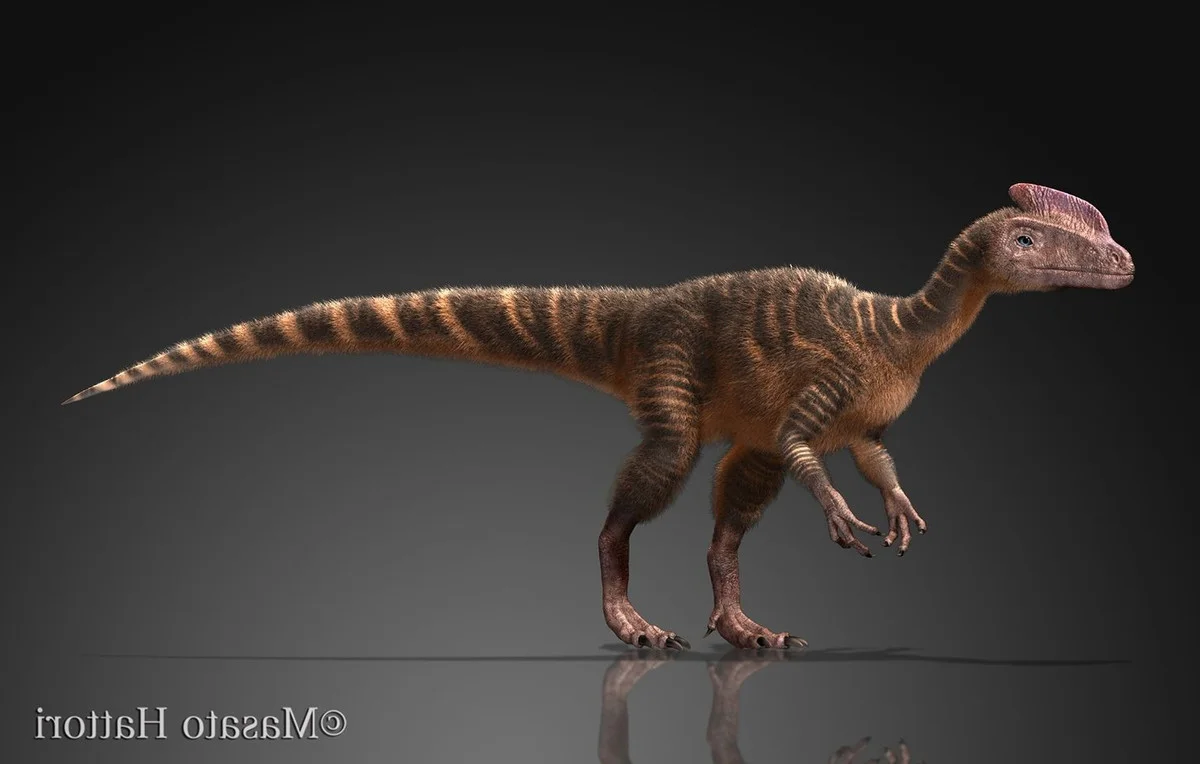
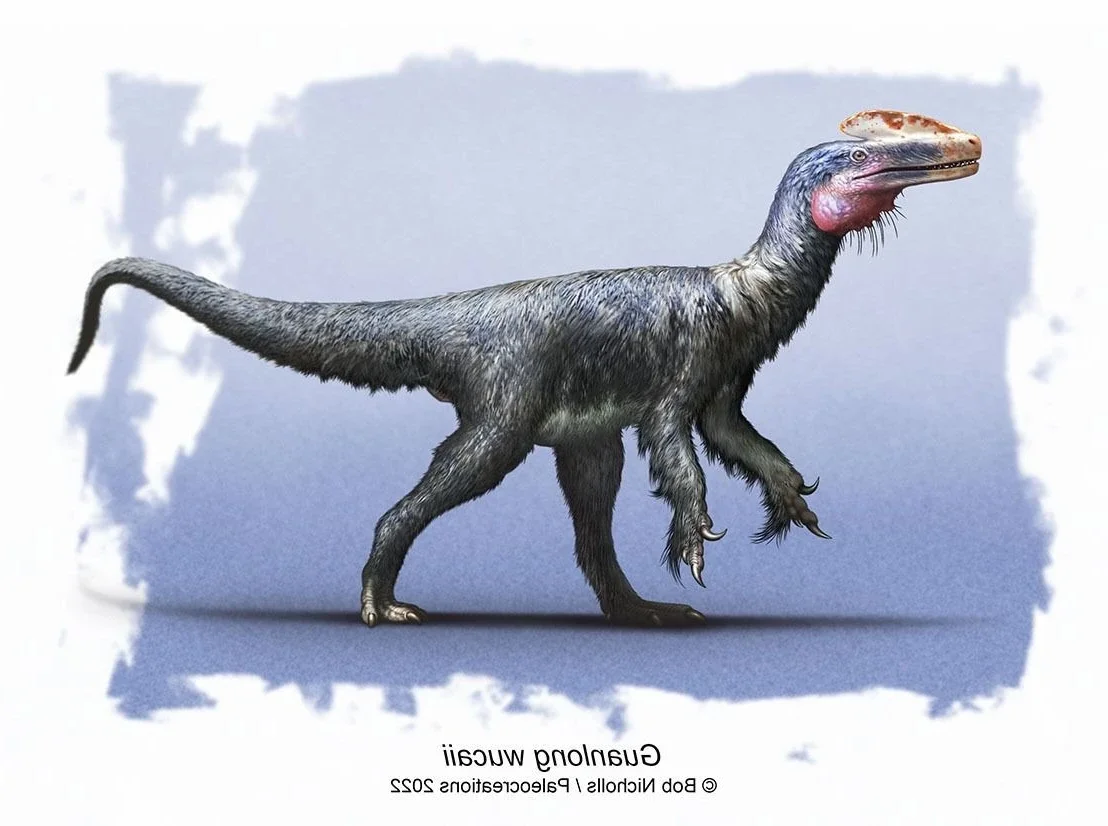
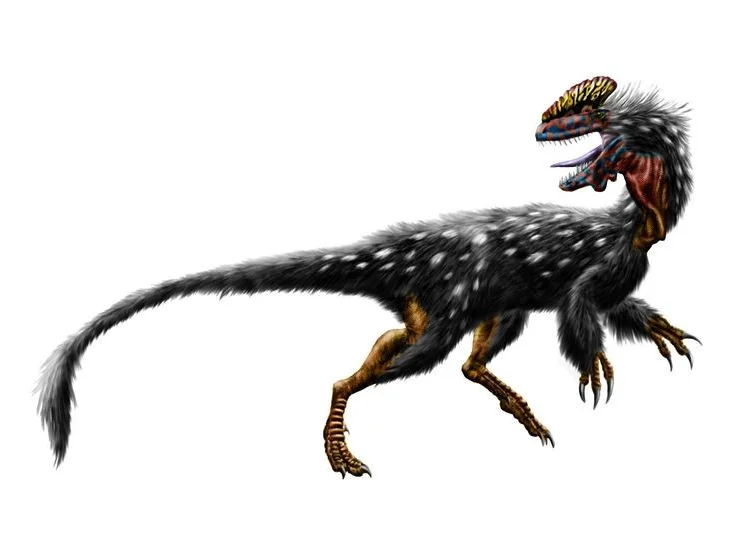
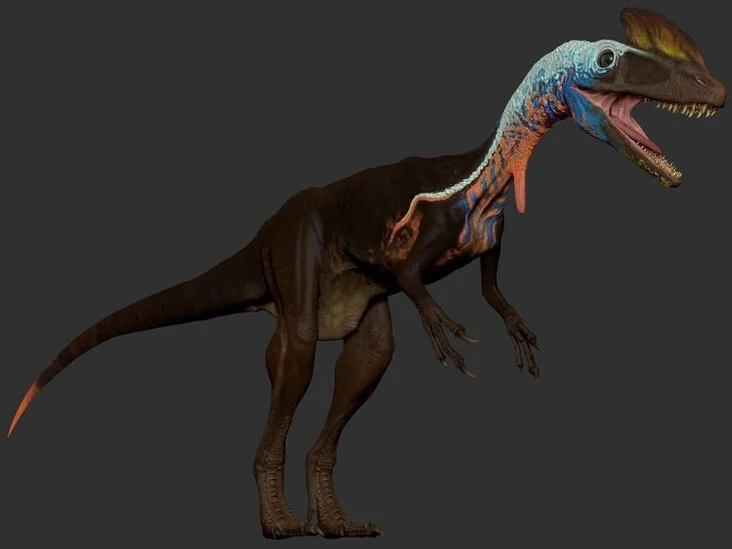
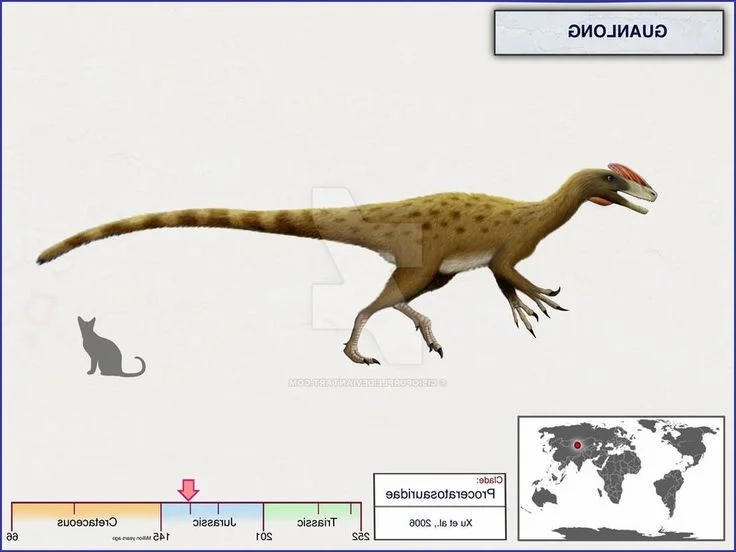
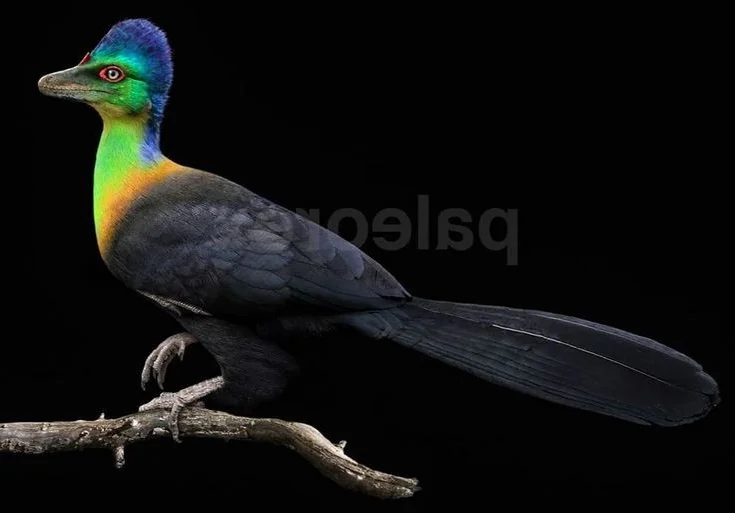
Meet Guanlong: The Bizarre Crested Ancestor of the Tyrannosaurus Rex and the Fascinating Evolution of Prehistoric Predators
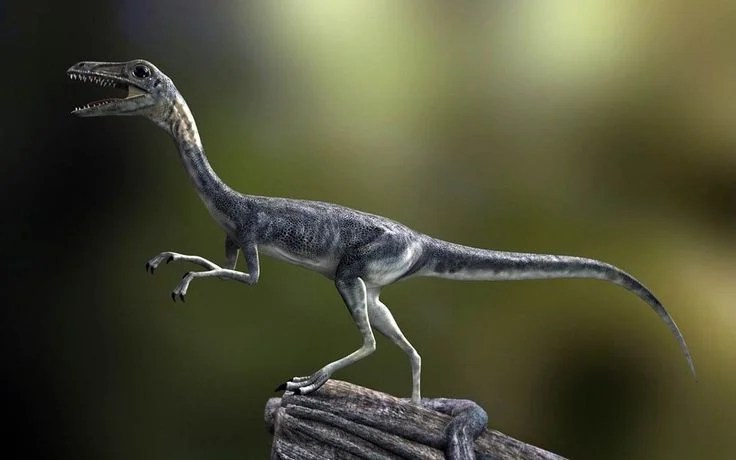
Have you ever wondered what the mighty Tyrannosaurus Rex looked like before it became the undisputed king of the dinosaurs? Meet Guanlong wucaii, a fascinating and somewhat bizarre ancestor that roamed the earth millions of years before its famous descendant. This primitive tyrannosauroid, discovered in the fossil-rich Junggar Basin of China, offers a shocking and detailed glimpse into the evolutionary journey of the world's most feared predator.Unlike the massive, bone-crushing T-Rex we often see in films, Guanlong was a much smaller, agile theropod. Its most striking physical feature is the delicate, hollow crest atop its head, which scientists believe was used for social display or species recognition rather than combat. Despite its modest size, Guanlong possessed the sharp teeth and predatory instincts that hint at the apex predator lineage to follow. This discovery has become a cornerstone in modern paleontology, providing essential clues about how small, feathered creatures evolved into the giants of the Cretaceous period.
Exploring the history of Guanlong helps us understand the complex and often surprising tree of life. For dinosaur enthusiasts and science lovers across the US and Europe, this prehistoric marvel represents the incredible diversity of the Jurassic era. Whether you are a student of paleontology or simply a fan of natural history, the story of this 'crowned dragon' is a testament to the wonders of evolution and the secrets still hidden within the earth's strata. Dive into the world of ancient fossils and discover the roots of the Tyrannosaurus Rex today.
#DinosaurEvolution , #GuanlongWucaii , #PrehistoricLife , #PaleontologyNews , #TyrannosaurusRex , #JurassicWorld , #FossilDiscovery , #AncientHistory
Comment
Kuşadası
2026-02-20 12:46:42.372968
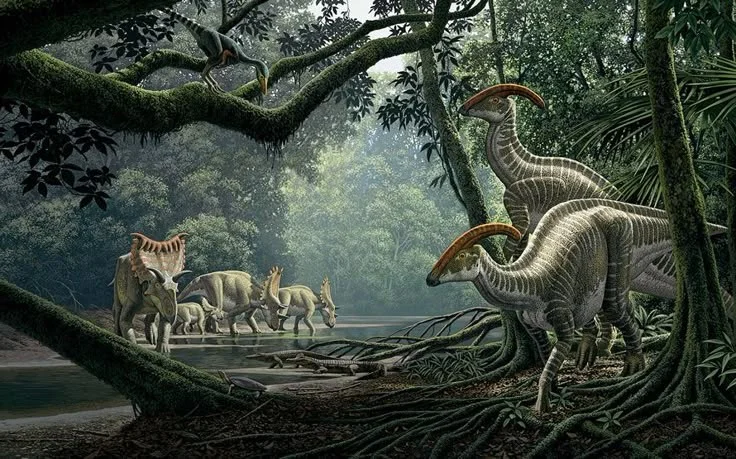
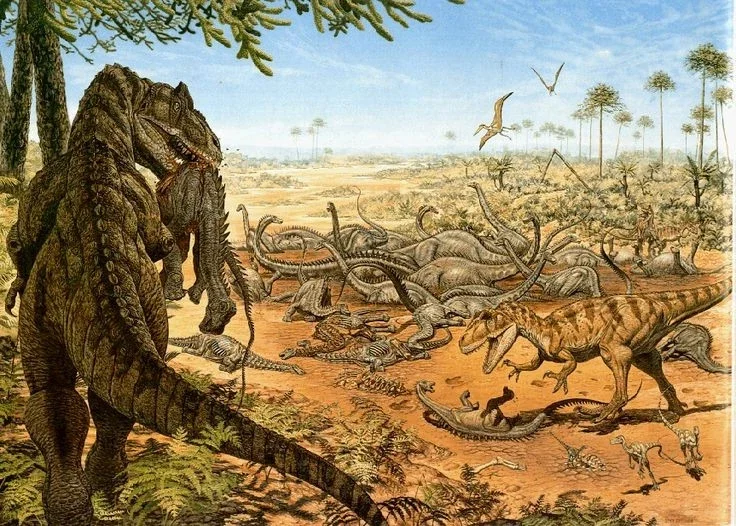
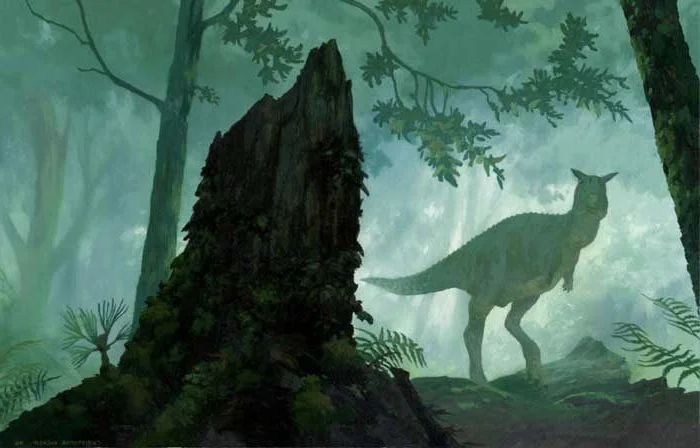
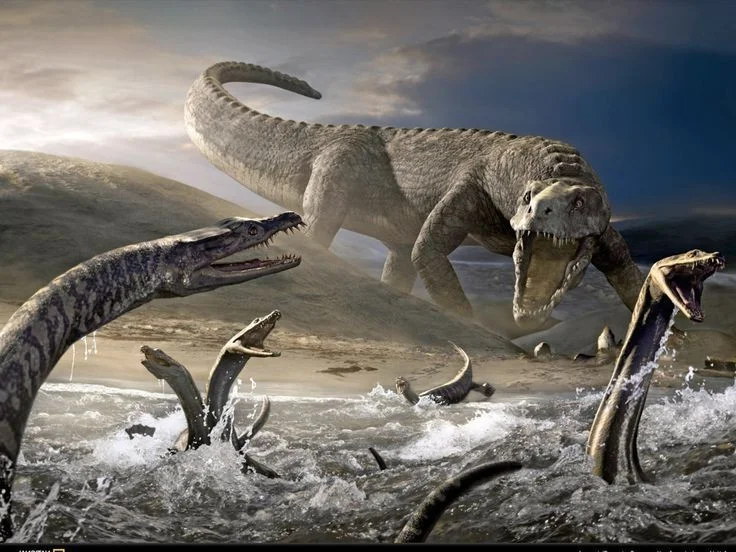
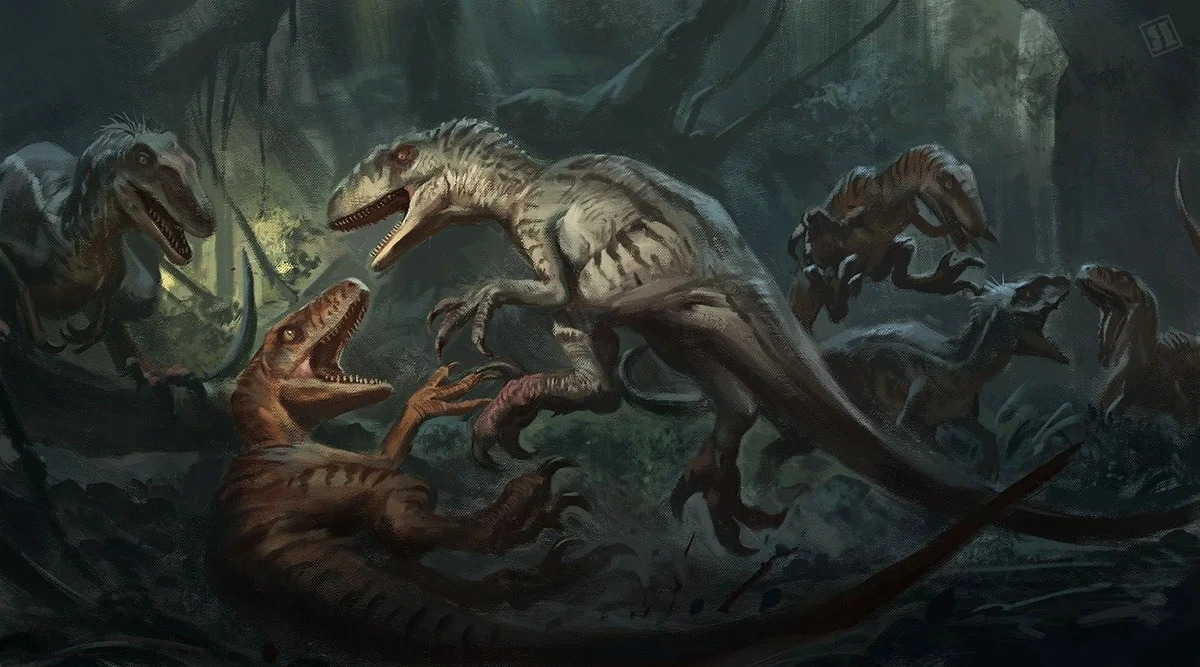
What If Dinosaurs Never Went Extinct? Exploring an Alternate Timeline of Earth’s Evolution and the Survival of Ancient Giants.
Have you ever wondered what the world would look like if the cataclysmic asteroid that ended the Cretaceous period had missed Earth? This fascinating exploration into speculative biology dives deep into the ultimate 'what if' of dinosaur survival. If the mass extinction event hadn't occurred 66 million years ago, the trajectory of life on our planet would be completely unrecognizable today. Large reptiles might still dominate the global landscape, potentially evolving into highly intelligent beings or adapting to modern climates in ways we can only imagine.In this alternate timeline, the rise of mammals—and subsequently, humans—might have been stifled or entirely prevented. Small, nocturnal mammals would likely have remained in the shadows of giants like the Tyrannosaurus Rex or the agile Velociraptor. The biodiversity of our oceans and forests would follow a path dictated by reptilian dominance rather than mammalian expansion. This visual journey through ancient history and evolutionary science examines how climate change, natural selection, and ecological niches would have shifted over millions of years without the vacuum left by the extinction.
From the potential evolution of the 'Dinosauroid' to the survival of herbivorous titans in modern grasslands, we analyze the scientific theories that challenge our understanding of prehistoric life. Perfect for paleontology enthusiasts and fans of speculative fiction, this deep dive into Earth's history provides a unique perspective on the fragility of life. Reference ID: e0b1caef-ff69-4434-aae4-89bcf19bfc81. Join us as we reimagine a world where the Mesozoic era never truly ended and the giants of old still walk among us.
#WhatIfDinosaurs , #PrehistoricLife , #EvolutionaryBiology , #PaleontologyFacts , #AlternateHistory , #DinosaurEvolution , #MesozoicEra
Van Lon To
2026-02-19 10:43:03.545601
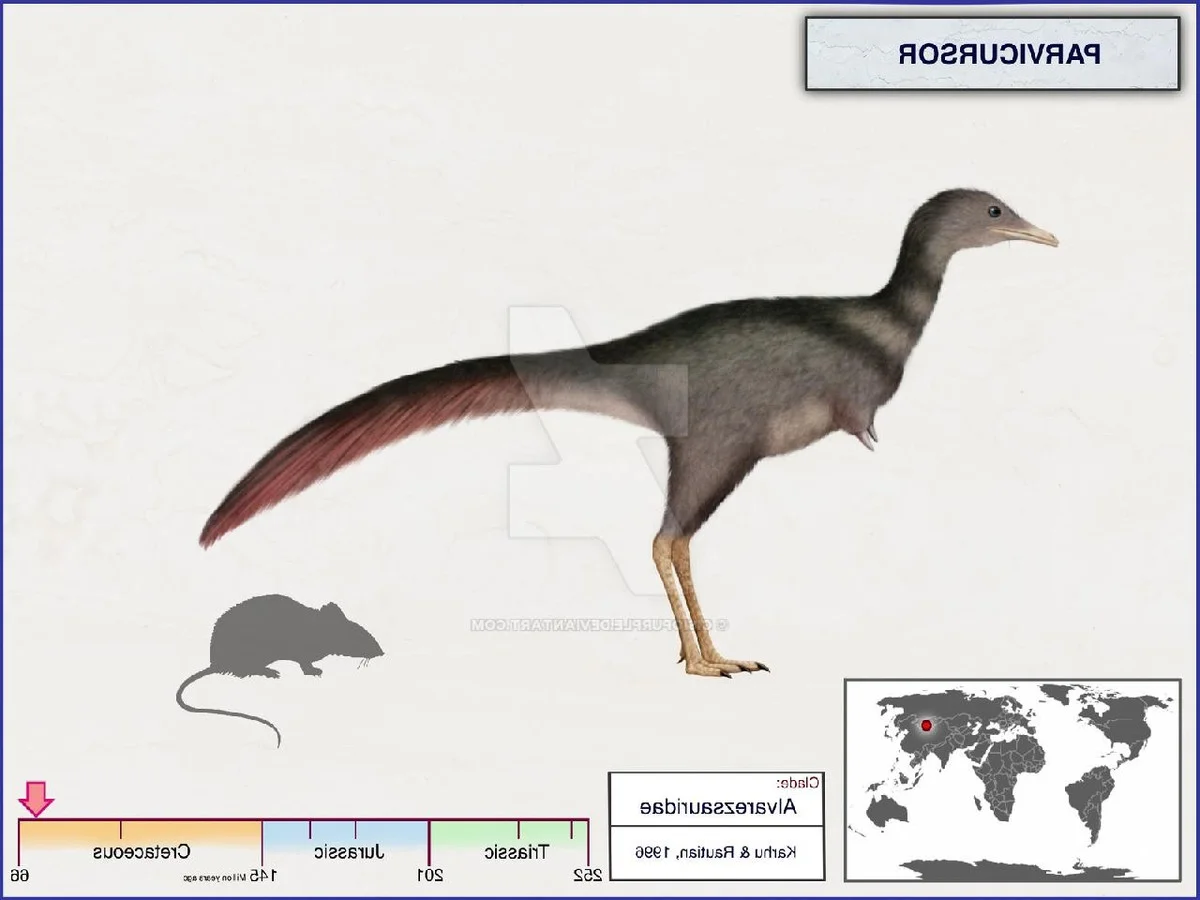
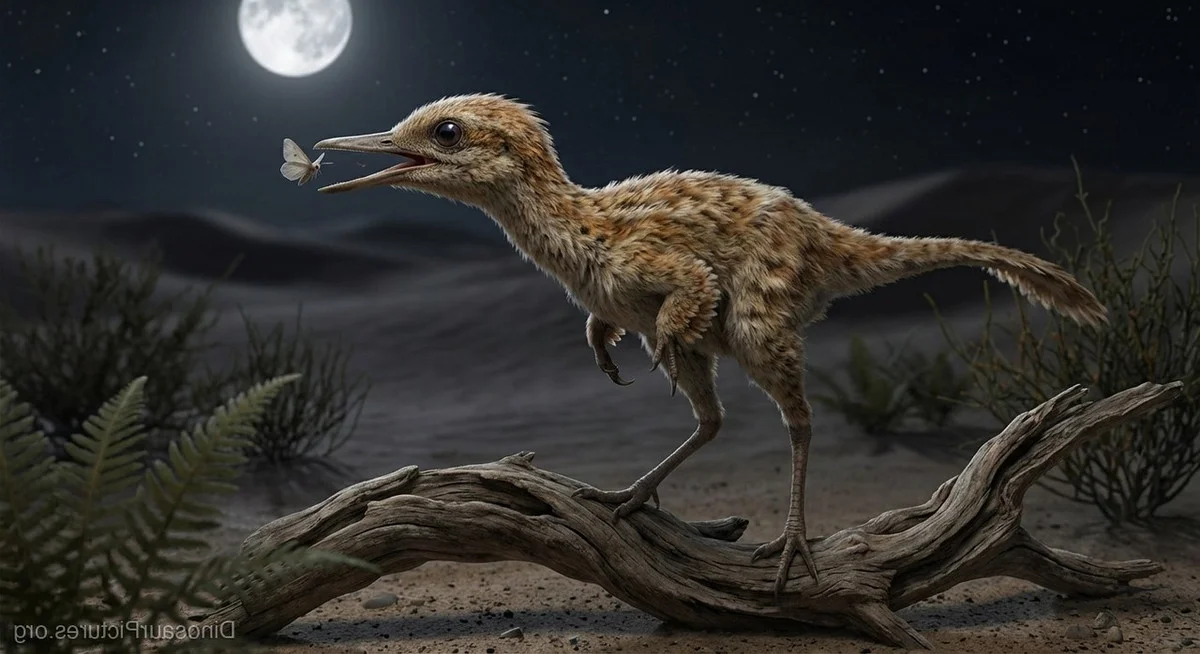
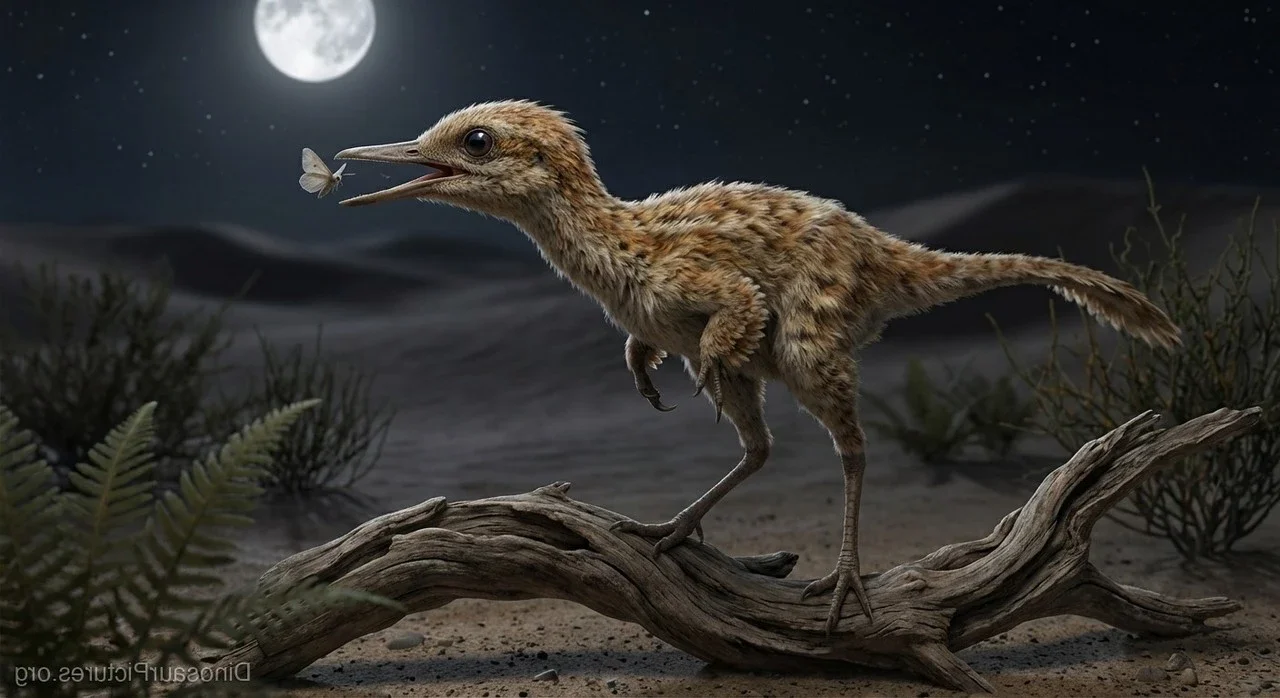
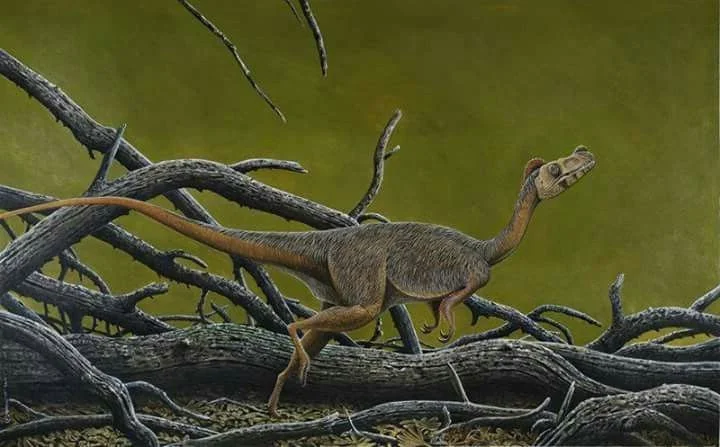
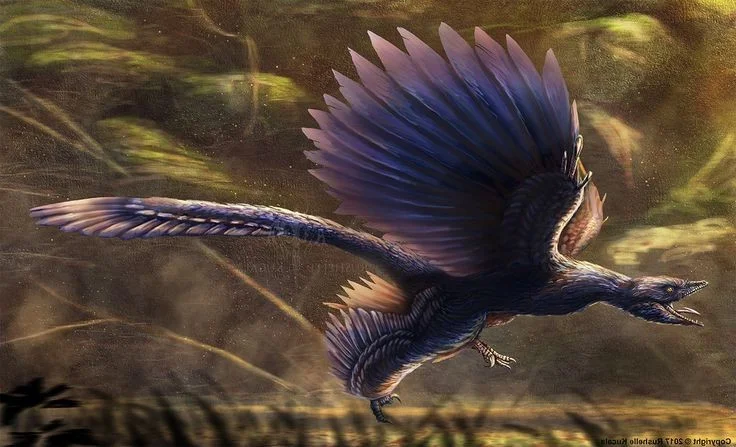
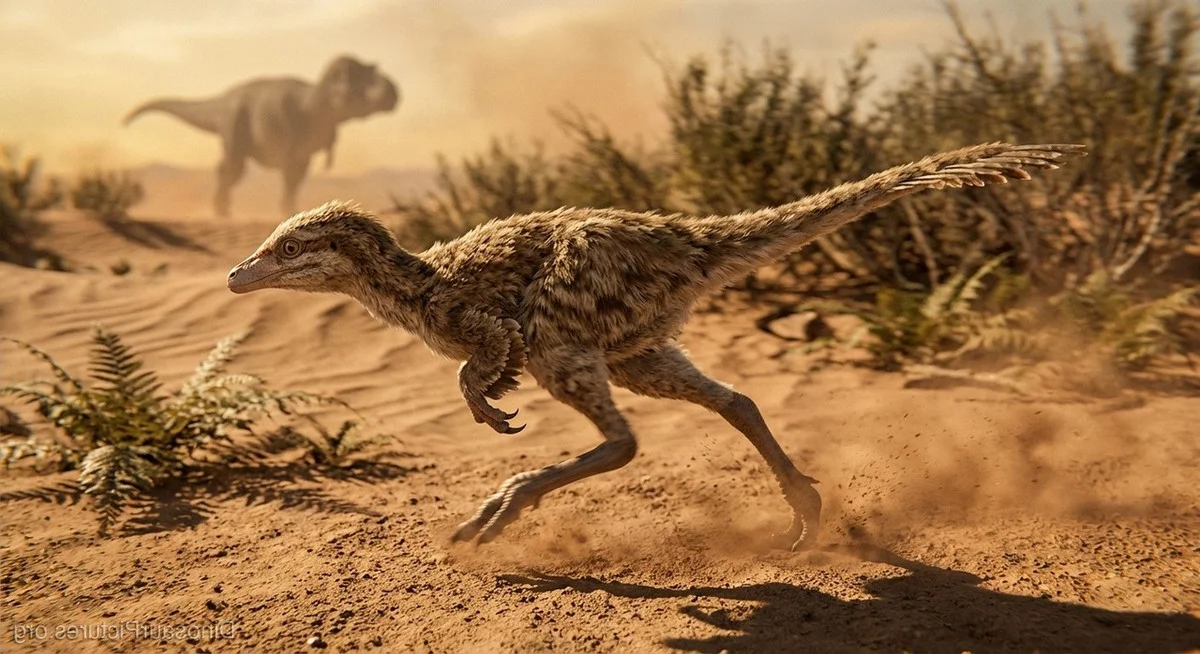
Tiny Wonders: Discovering the Smallest Dinosaurs Ever Found and the Secrets of Prehistoric Miniature Life
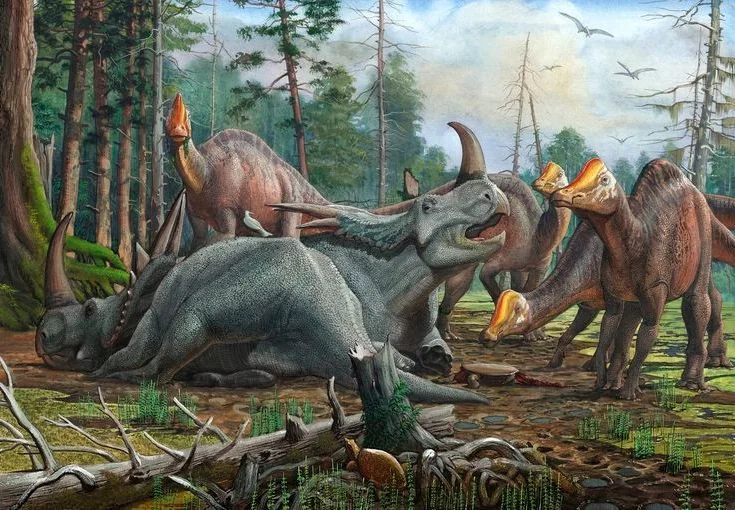
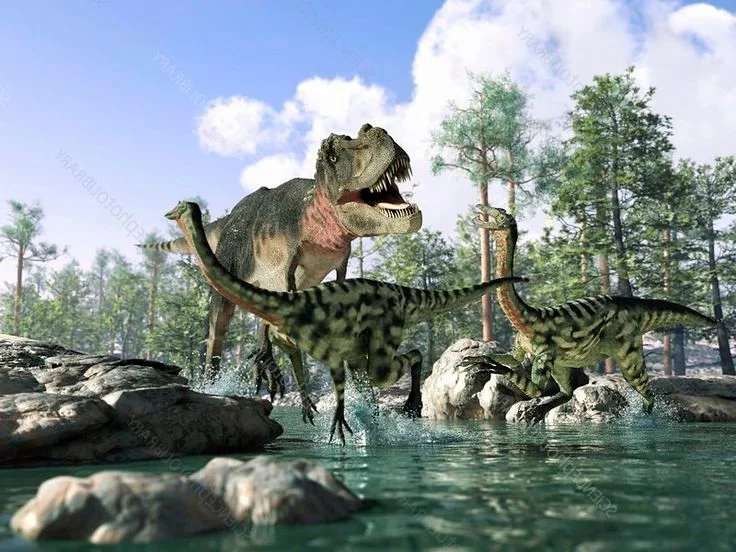
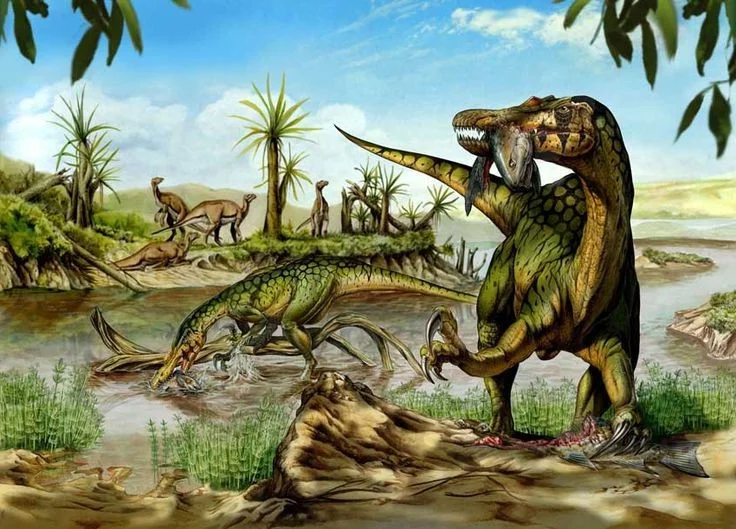
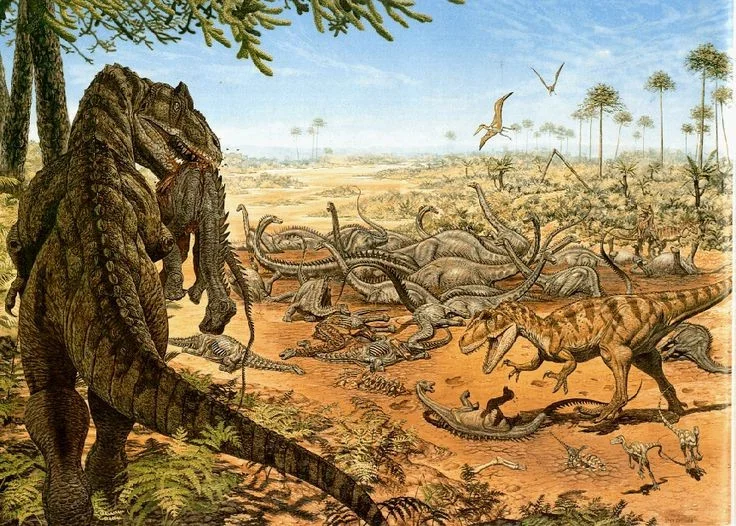
When we think of the Mesozoic Era, our minds immediately jump to towering giants like the Brachiosaurus or the fearsome Tyrannosaurus Rex. However, recent fossil discoveries are painting a much more intricate picture of prehistoric life, revealing a world of incredibly tiny dinosaurs that were no larger than modern-day birds. This fascinating look into the smallest dinosaurs ever to exist challenges everything we thought we knew about the age of reptiles.From the bird-like Microraptor to the controversial Oculudentavis khaungraae preserved in ancient amber, these miniature creatures showcase the incredible biodiversity and evolutionary adaptation of the time. These tiny species occupied unique ecological niches, often developing flight or specialized hunting techniques to survive alongside their massive cousins. Examining these rare fossils provides invaluable insights into how some dinosaur lineages eventually evolved into the birds we see in our backyards today.
Whether you are a paleontology enthusiast or simply curious about natural history, exploring the survival strategies of these compact creatures is a journey through a hidden side of evolution. Their existence proves that size wasn't the only way to dominate the prehistoric landscape. This collection of imagery highlights the delicate features and complex biology of these small-scale wonders, ensuring they finally get the spotlight they deserve. Dive into the history of the smallest dinosaurs and discover how these tiny beings left a massive impact on the story of life on Earth.
#SmallestDinosaurs , #PrehistoricLife , #Paleontology , #FossilDiscovery , #DinosaurEvolution , #NaturalHistory , #AncientCreatures
Raymond Chavaree
2026-01-06 07:31:37.865468
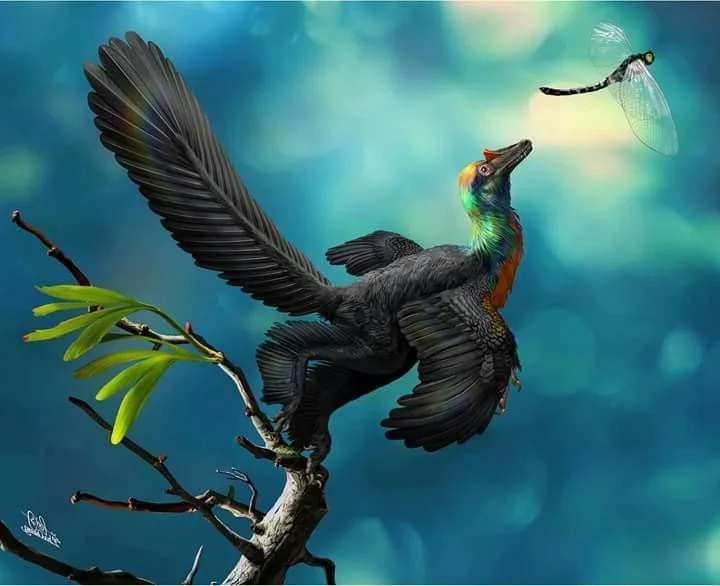
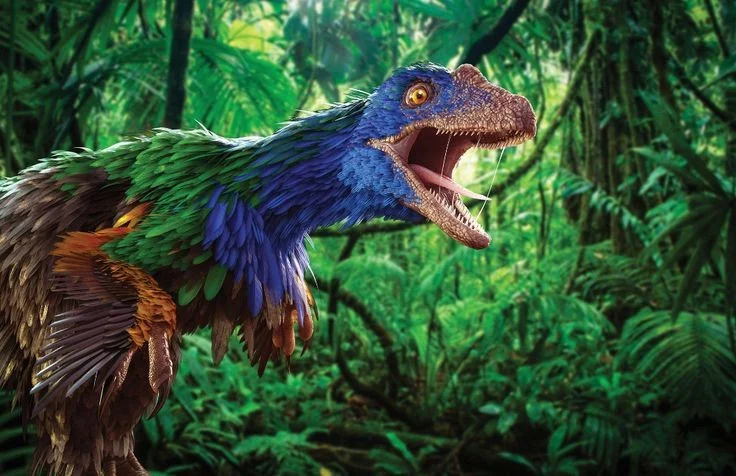
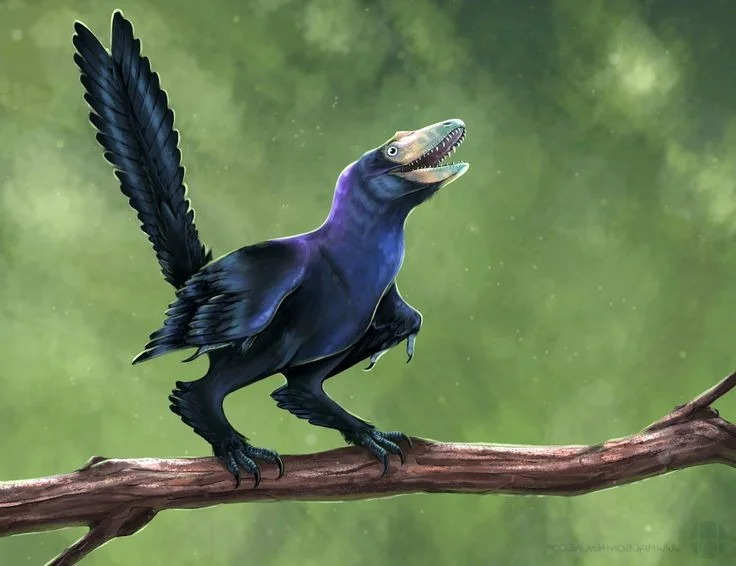
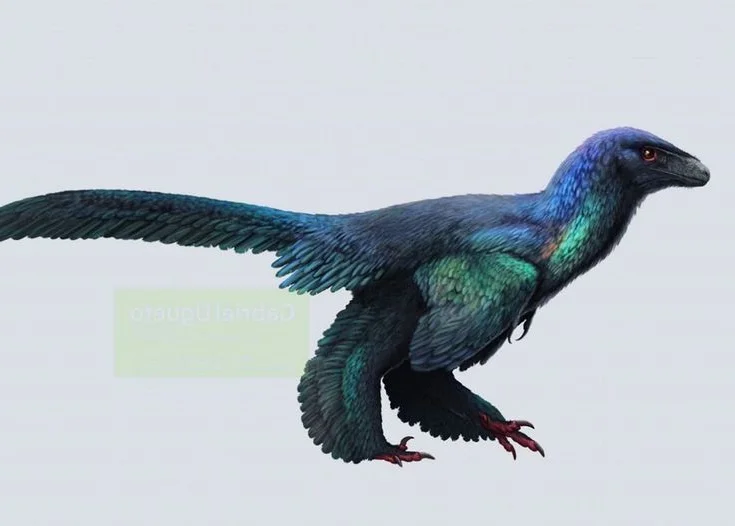
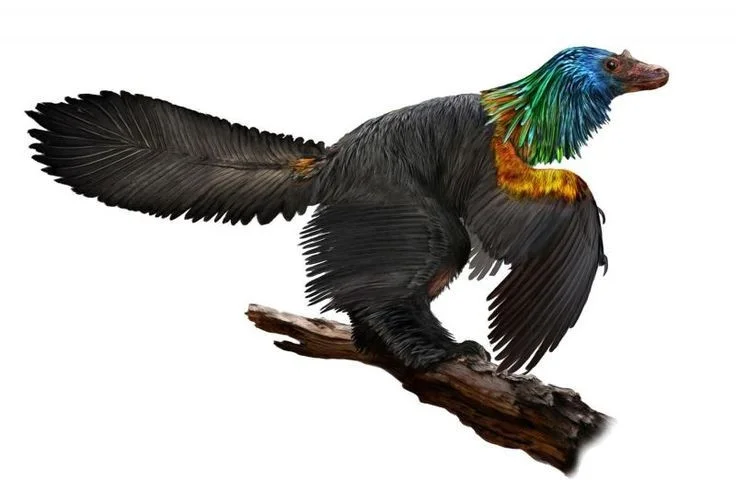
Unveiling the Most Vibrant Dinosaur: Feathered Evidence of Ancient Bird Evolution
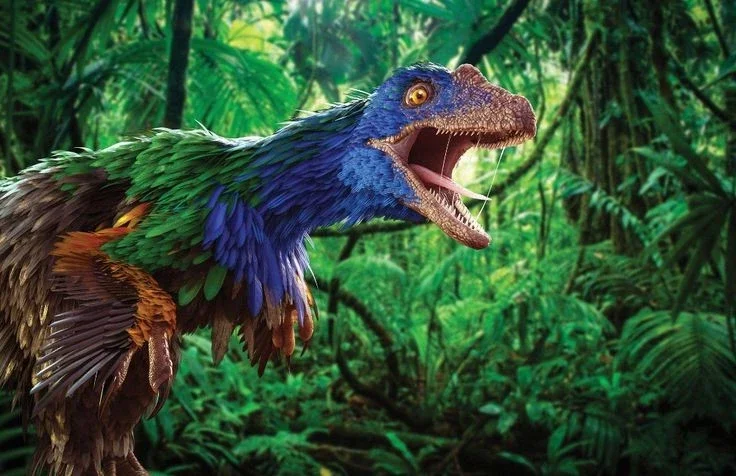
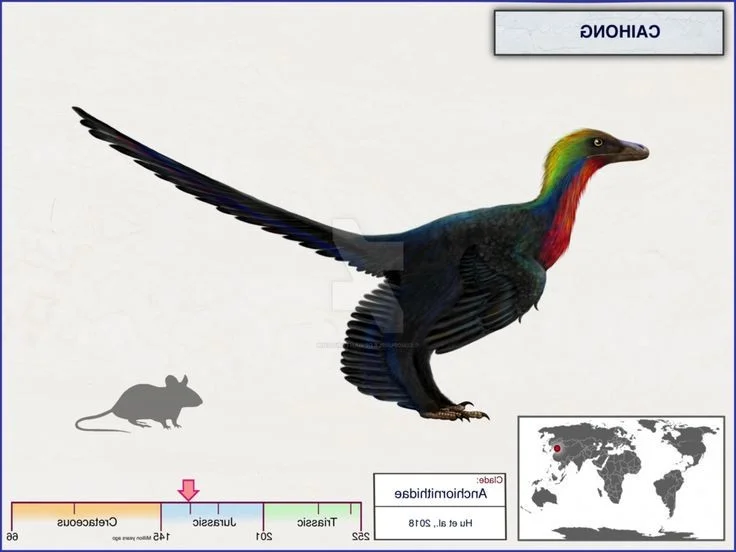
This image reconstructs the Caihong dinosaur with its vibrant, azure and green plumage, standing out in the lush forest. It serves as vivid evidence of early feathered dinosaurs, showcasing the incredible color diversity in the ancient world. With their unique feather structure, they not only helped retain warmth but also played a crucial role in communication and attracting mates. This discovery from the Cretaceous period in China has transformed our understanding of dinosaur-to-bird evolution, revealing a small and agile dinosaur with beauty beyond imagination.#FeatheredDinosaur #DinosaurEvolution #Caihong #VibrantDinosaur #AncientWorld
Aitana
2025-12-10 07:29:52.879977
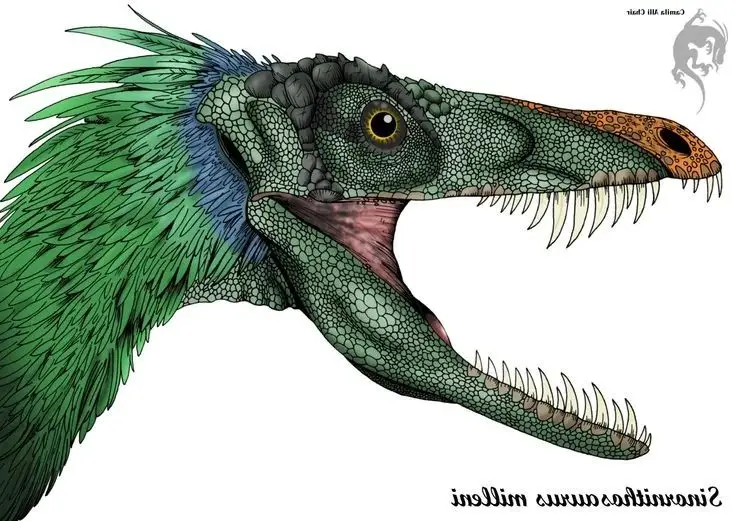
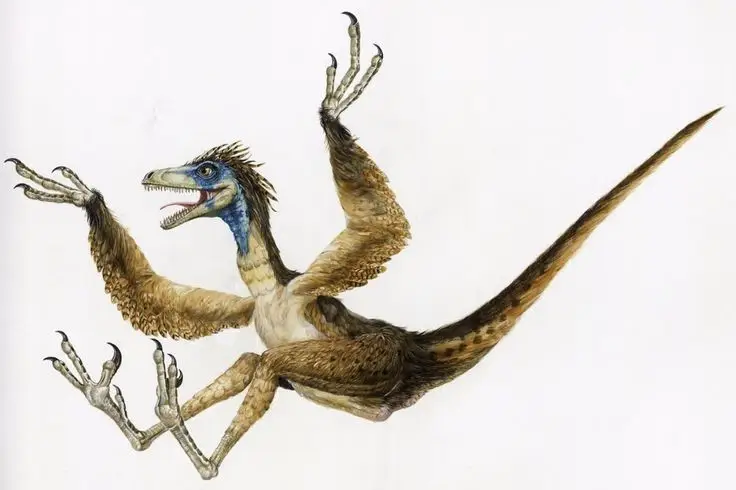
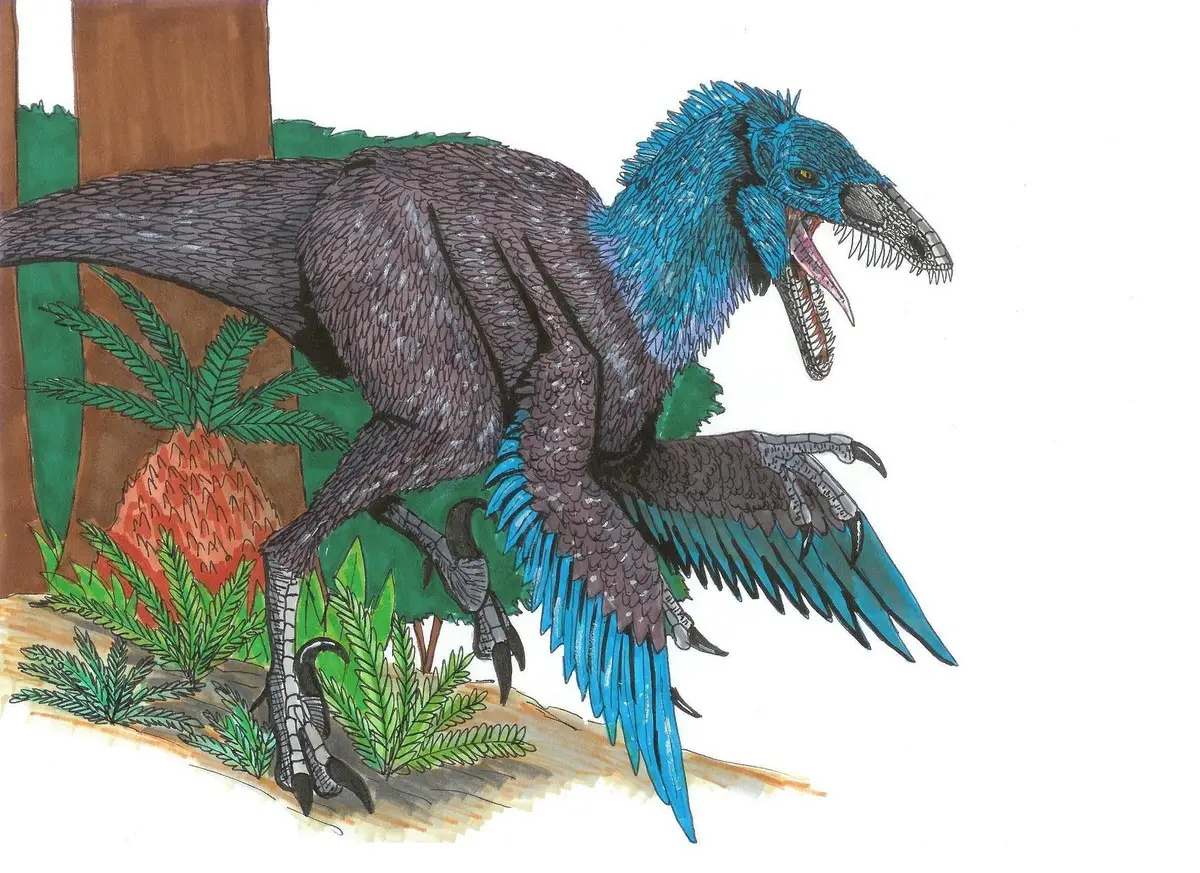
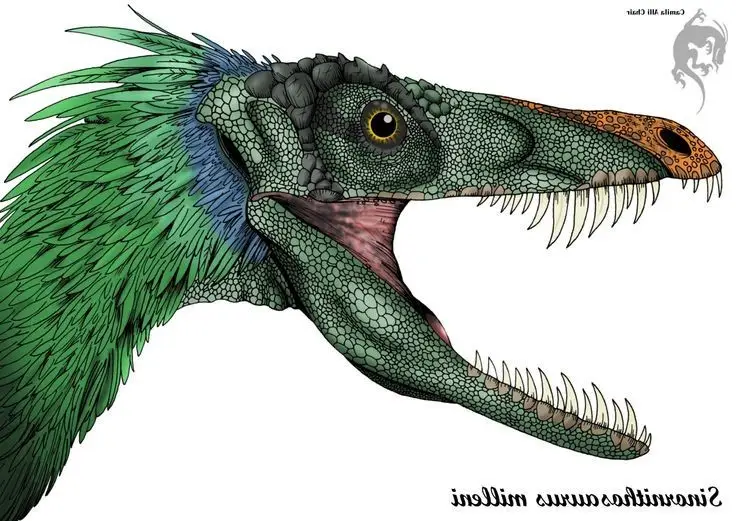
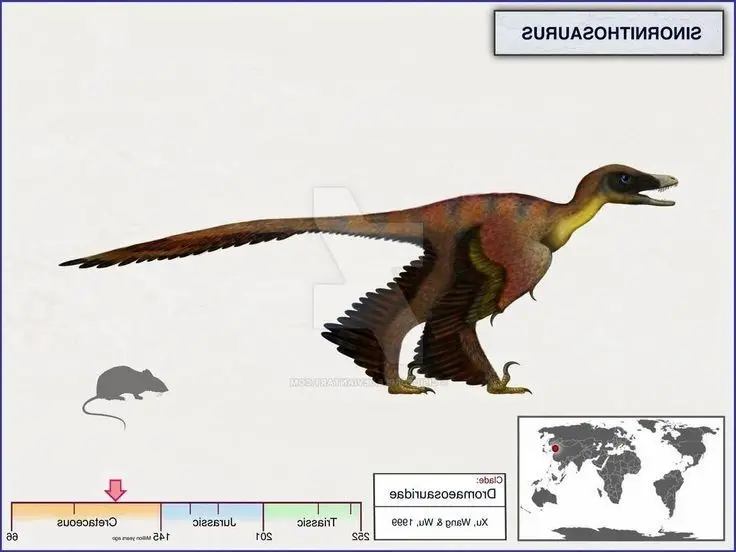
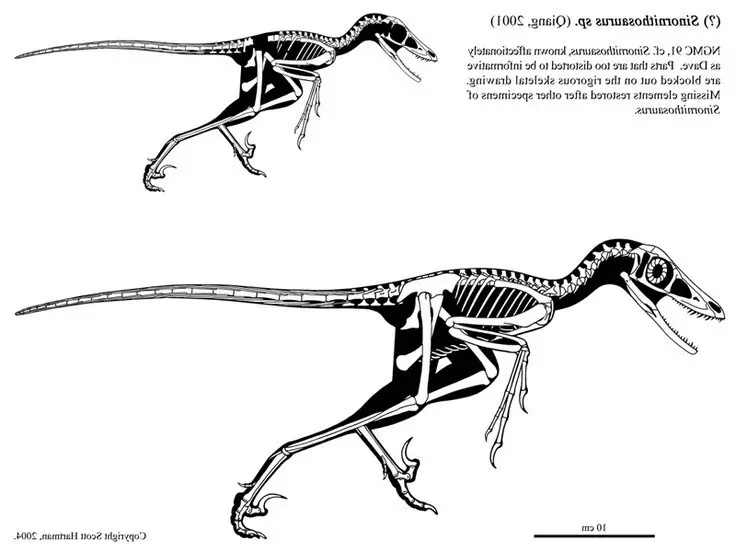
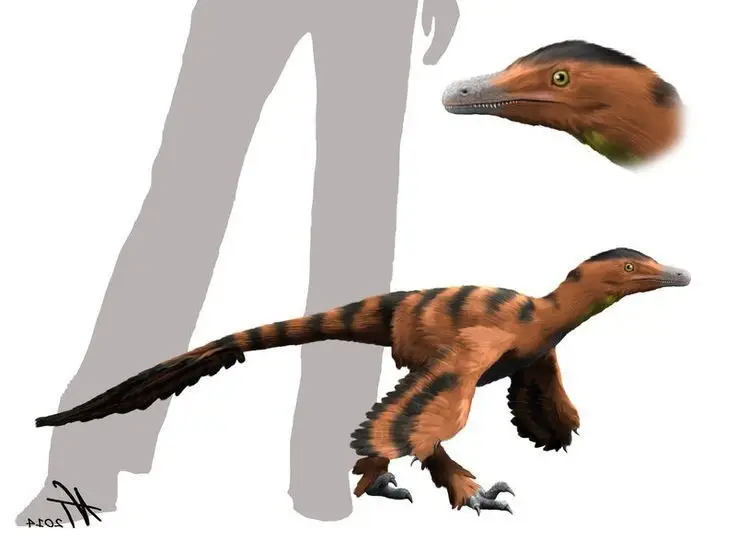
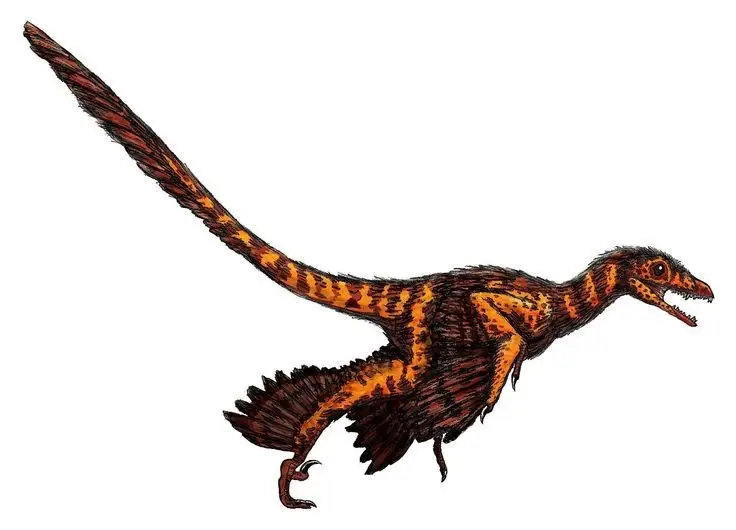
Ancient Creatures Discover Sinornithosaurus Venomous Feathered Dinosaur Mystery
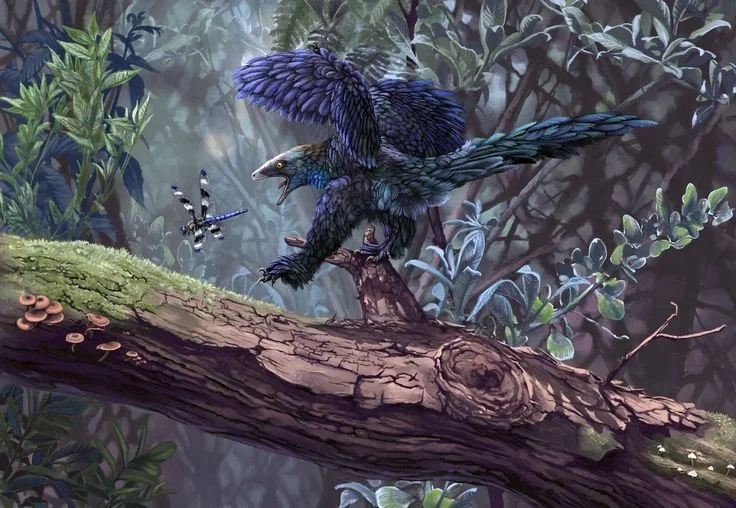
This vivid image transports you to the ancient world of Sinornithosaurus a mysterious feathered dinosaur with an impressive appearance You can clearly see the striking blue feathers on its neck and wings along with its dark mysterious body covered in fine plumage This creature not only possessed a unique look but was also believed to be venomous a rare biological trait among dinosaurs Sinornithosaurus offers deep insight into the close link between dinosaurs and birds showcasing incredible evolution Discoveries about them from Chinese fossils open a window to understanding these intelligent predators and their remarkable adaptability in harsh environments millions of years ago#Sinornithosaurus #FeatheredDinosaur #VenomousDinosaur #CretaceousPeriod #DinosaurEvolution
ZTIvMVmtNh
2025-12-08 21:37:31.132438
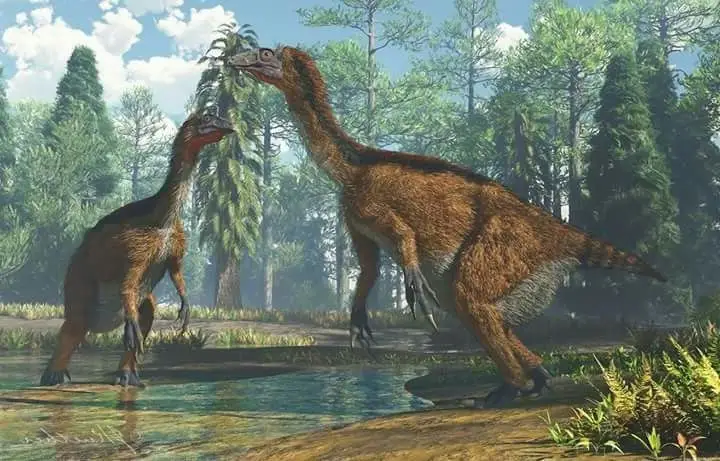
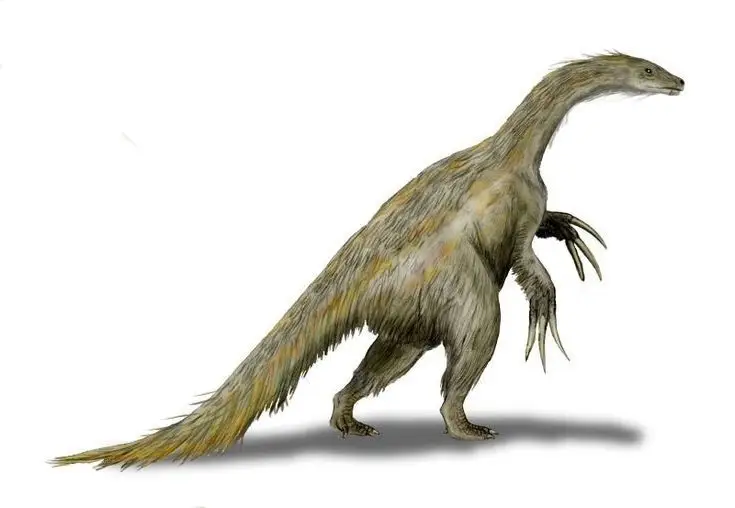
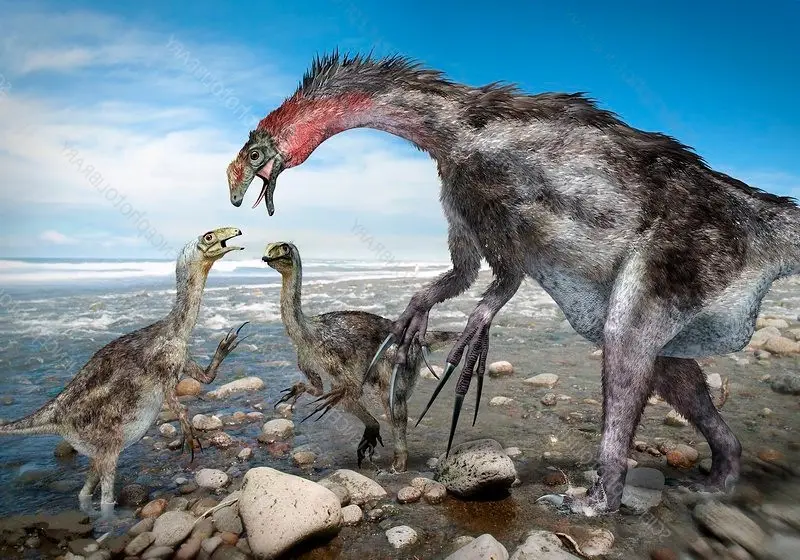
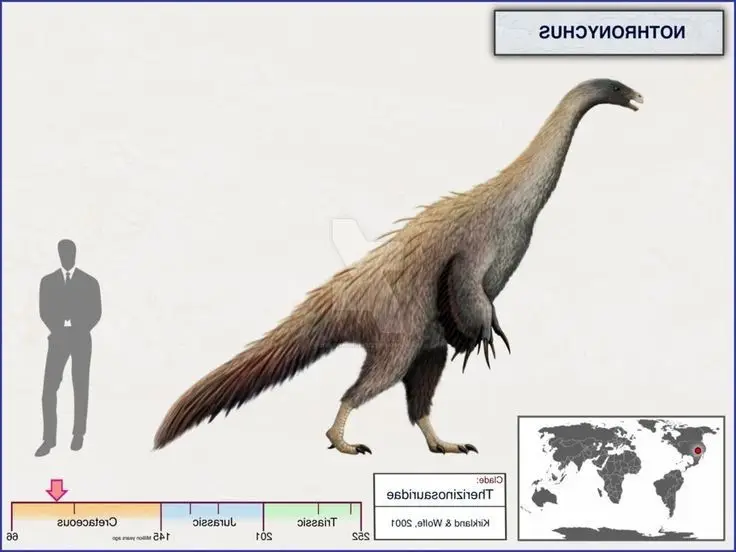
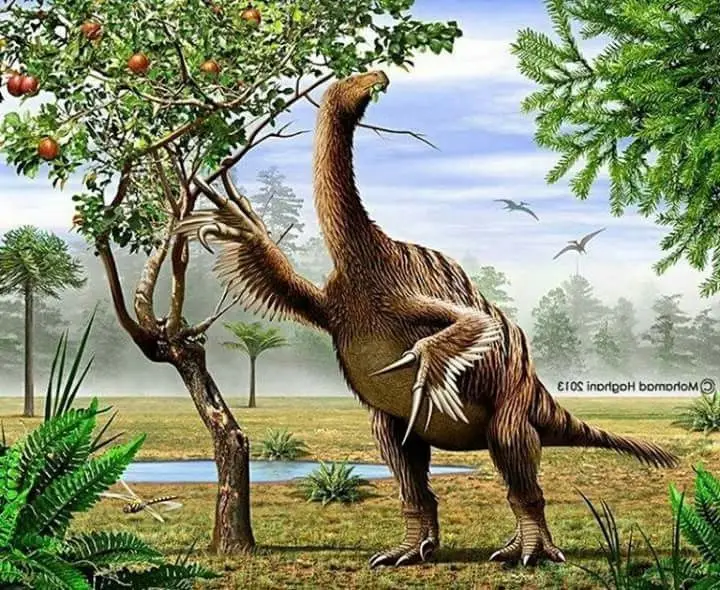
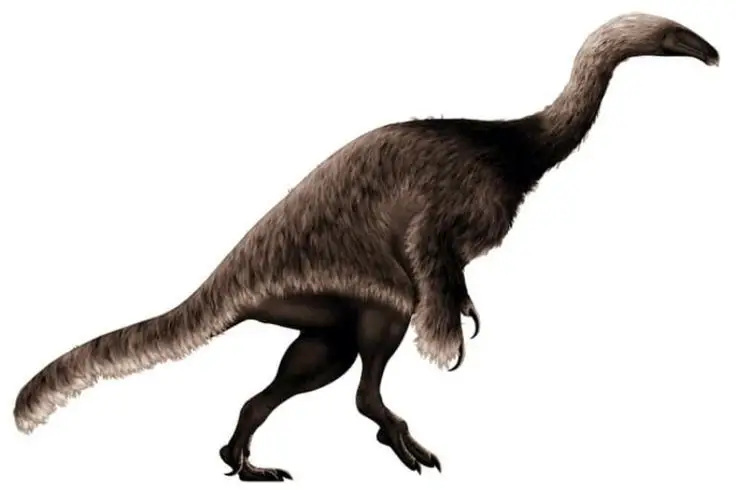
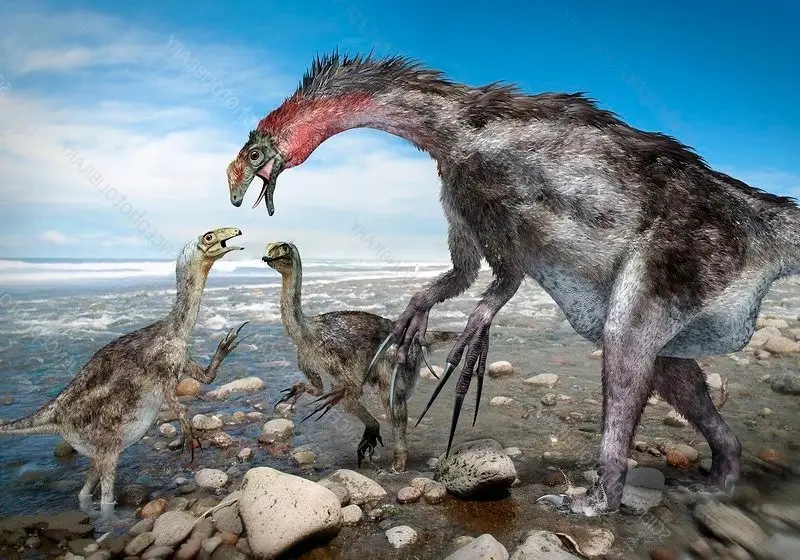
Discover Nothronychus: The Bizarre Dinosaur with 30cm Claws and Tiny Head
This vibrant image brings to life the Nothronychus dinosaur, a unique member of the Therizinosaur group, peacefully foraging in its lush natural habitat. Characterized by its striking biological features—impressively long claws reaching up to 30 cm and a tiny head atop a slender, elongated neck—this bizarre dinosaur has significantly altered our understanding of theropod dinosaur evolution. We see them stretching, using their flexible necks to reach fresh green leaves, a testament to their gentle herbivorous lifestyle. The existence of Nothronychus also provides profound insights into the diversity and distribution of ancient dinosaurs, particularly in the Americas.#BizarreDinosaur #Nothronychus #Therizinosaur #LongClaws #DinosaurEvolution
Ellis
2025-11-25 19:17:06.135310
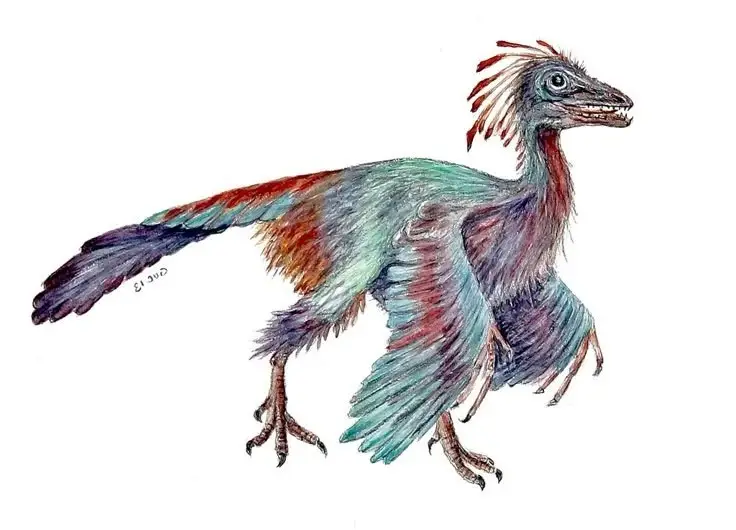
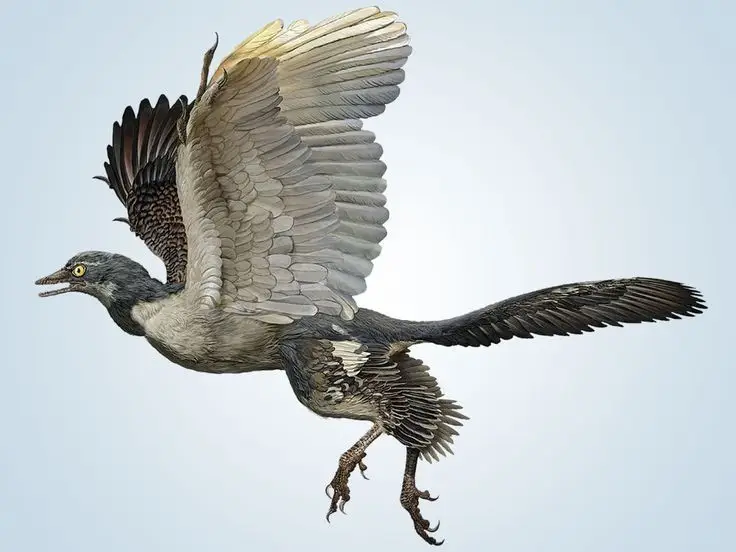
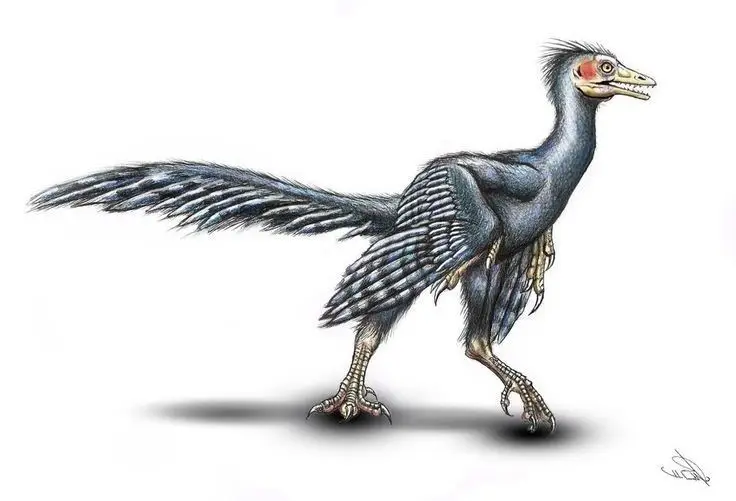
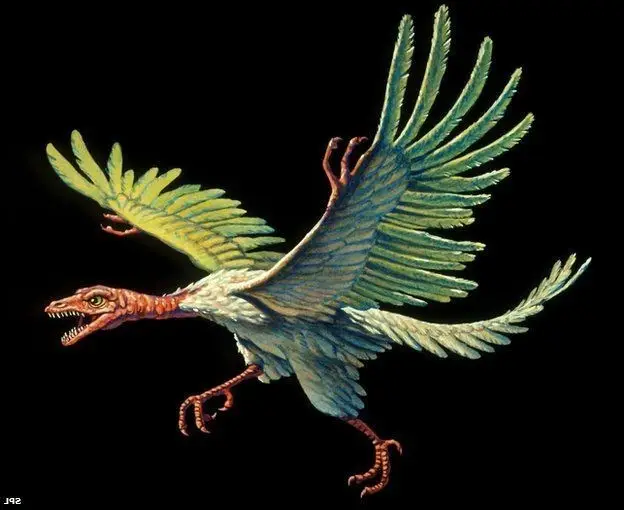
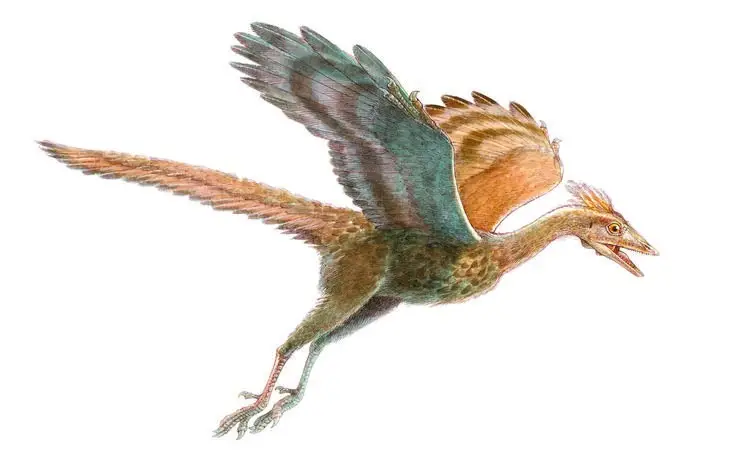
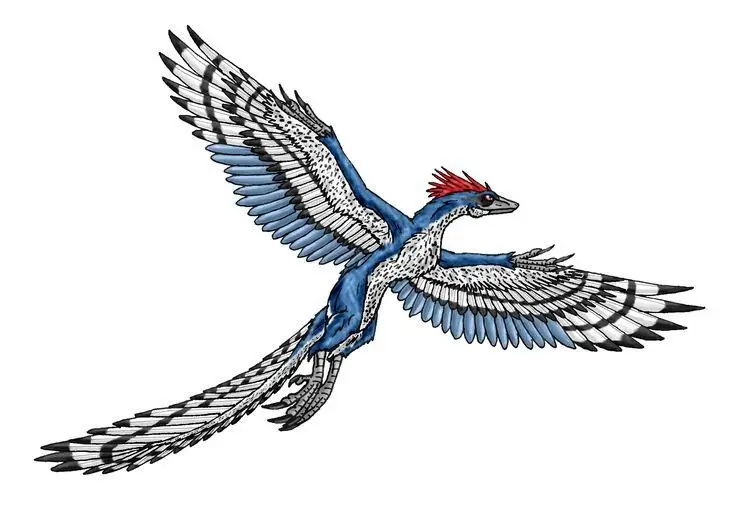
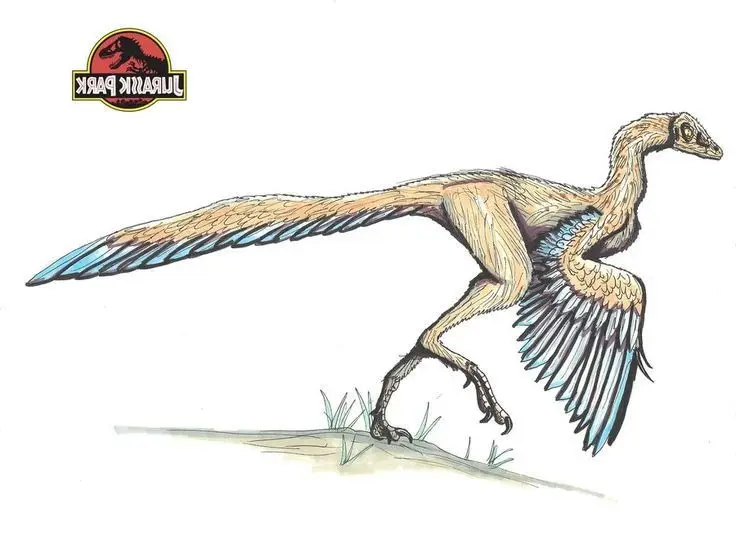
Archaeopteryx Mystery: Primitive Bird Reveals Dinosaur Evolution's Turning Point to Birds
This vivid image reconstructs Archaeopteryx, a colorful ancient creature renowned as the planet's most famous "primitive bird". It serves as a crucial transitional fossil, clearly demonstrating the remarkable evolutionary journey from feathered dinosaurs to modern birds. Living during the Late Jurassic period, Archaeopteryx possessed unique features like sharp teeth and claws, alongside well-developed feathers. Its flight capability was limited, primarily gliding or short-distance flying, indicating an early stage of wing development. Studying the wing structure and well-preserved fossils of Archaeopteryx has provided profound insights into the evolutionary history of birds, illuminating one of nature's greatest secrets.#Archaeopteryx #DinosaurEvolution #PrimitiveBird #TransitionalFossil #JurassicPeriod
Stories
-
Creat Your Story
time to story
-

Anna Mull
1 hour ago
-

Ira Membrit
4 hour ago
-

Bob Frapples
9 hour ago
Events
-

Web Workshop
1 hour ago
-

Fun Events and Festivals
1 hour ago
Upcoming Birthday
-
Anna Sthesia
Today
-

Paul Molive
Tomorrow